

Don’t be discouraged if you spot weeds sprouting in your garden.
While they may seem like a nuisance, many weeds are actually indicators of fertile and nutrient-rich soil.
Some weeds even help improve soil quality, prevent erosion, and attract beneficial insects.
Take a look at these 12 common weeds and what they reveal about your garden’s soil health!
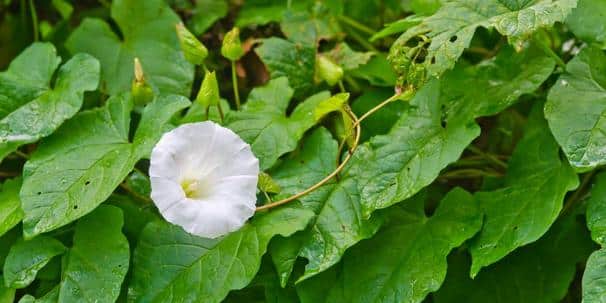
1. Bindweed – A Sign of Soil Struggles
What It Indicates: Poor soil health
Bindweed is a fast-growing vine with green leaves that can climb up to 5 feet high. Its presence often suggests compacted, depleted soil where other plants struggle to survive.
💡 Tip: Improve your soil’s condition by aerating and adding organic compost.
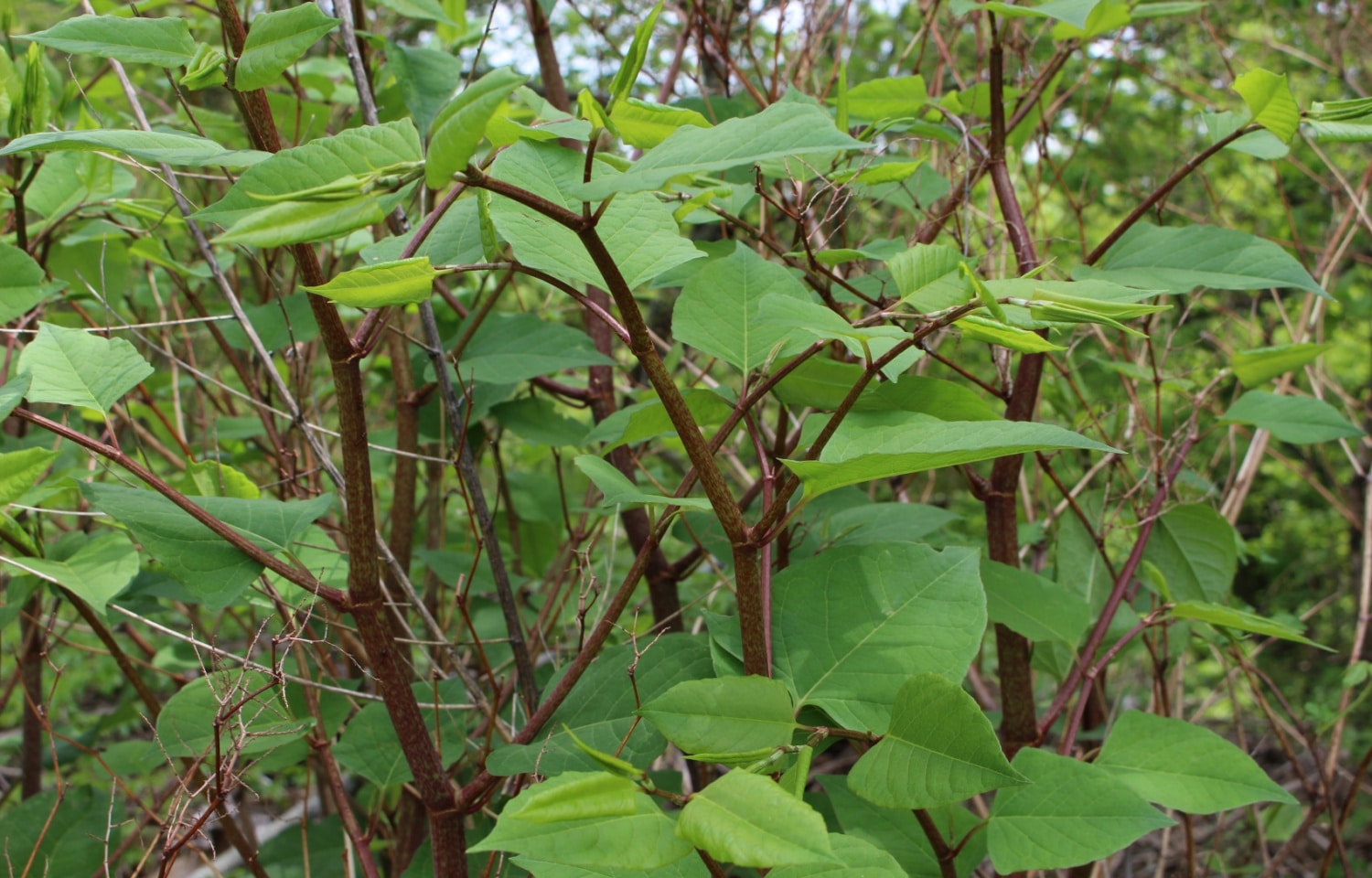
2. Knotweed – Nature’s Soil Protector
What It Indicates: Compacted soil & dry conditions
Although knotweed is often seen as an invasive weed, it thrives in compacted soil, which means it may help prevent further erosion.
💡 Tip: If knotweed is present, consider loosening your soil and adding mulch to improve moisture retention.
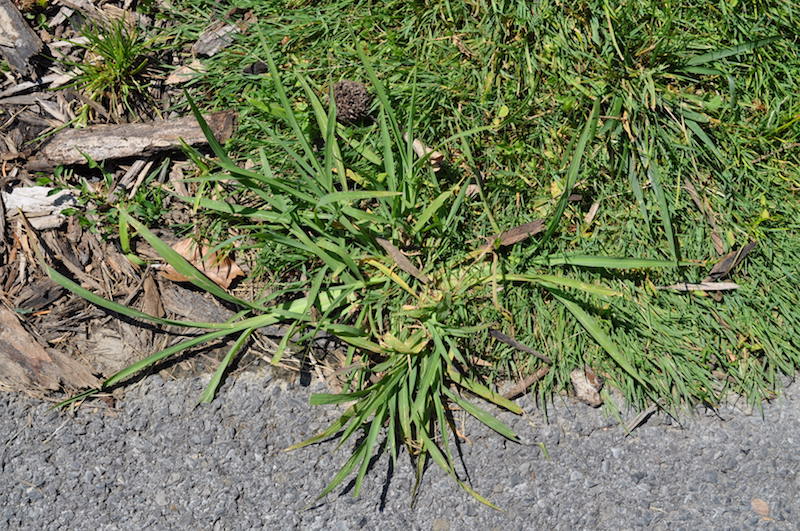
3. Crabgrass – Low Calcium & Acidic Soil
What It Indicates: Acidic soil with low calcium levels
Crabgrass is a resilient weed that outcompetes grass for nutrients and water. Its presence can signal nutrient deficiencies, particularly calcium.
💡 Tip: Consider adding lime to balance soil pH and enrich calcium levels.
4. Little Bluestem – Signs of Dry, Nutrient-Lacking Soil
What It Indicates: Drought-prone soil
If you see little bluestem growing, it likely means your soil has been dry for an extended period and lacks essential nutrients.
💡 Tip: Use organic mulch to retain moisture and improve soil fertility.

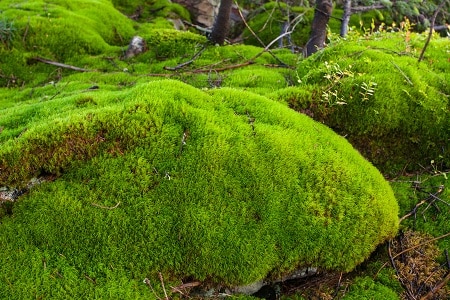
5. Moss – A Lover of Acidic & Shady Soil
What It Indicates: Acidic, damp soil with poor drainage
Moss thrives in shaded areas with compact or overly moist soil. While not harmful, it can indicate that your soil needs better aeration and drainage.
💡 Tip: Adjust pH by adding lime and improve drainage by incorporating sand or compost.
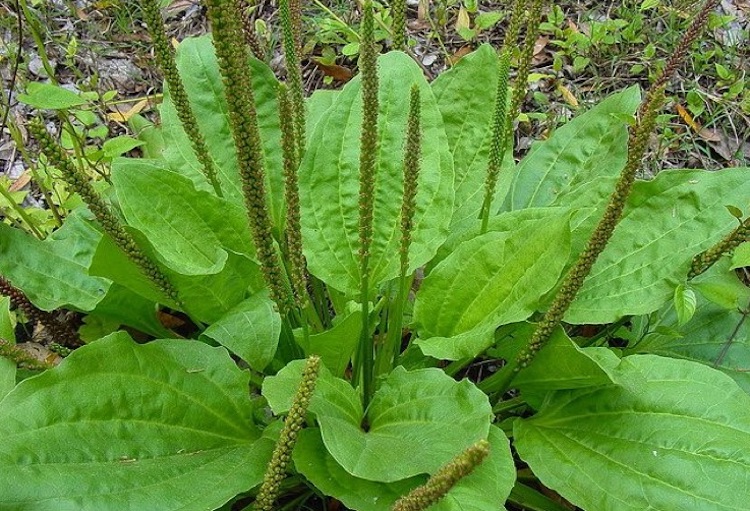
6. Plantain – A Marker of Compact Clay Soil
What It Indicates: Dense, clay-heavy soil with low fertility
Plantain grows best in compacted soil, making it a sign that your soil lacks aeration and nutrients.
💡 Tip: Improve soil aeration by tilling or using a garden fork to break up the clay.
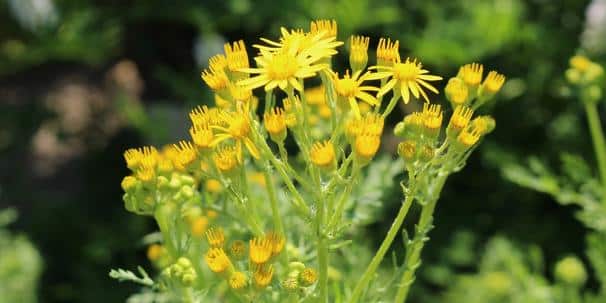
7. Groundsel – A Positive Sign of Healthy Soil
What It Indicates: Nutrient-rich soil
Unlike many weeds that indicate poor conditions, groundsel thrives in healthy, fertile soil. It suggests that your garden is nutrient-rich and supports plant growth.
💡 Tip: Keep the soil well-nourished with compost and organic matter to sustain its fertility.
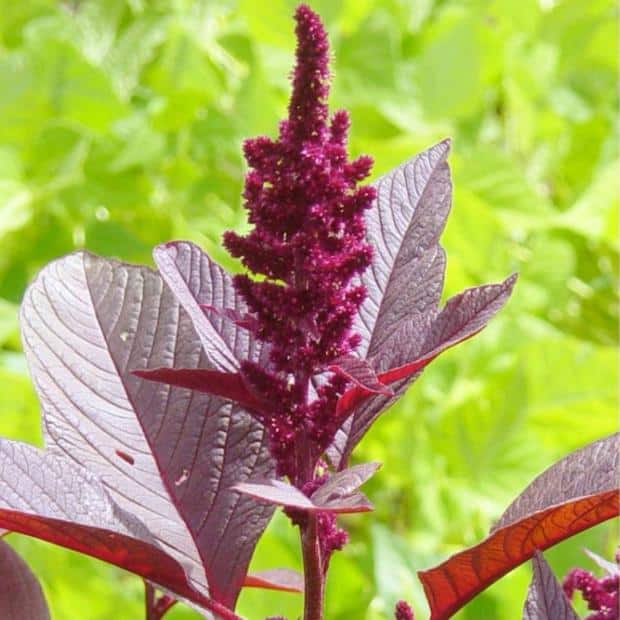
8. Amaranth – A Strong Indicator of Nutrient-Rich Soil
What It Indicates: High nutrient levels
Amaranth is a vibrant plant that flourishes in soil rich in nutrients. If you see it, your soil is likely packed with essential minerals.
💡 Tip: Maintain soil health by continuing to add organic compost or aged manure.
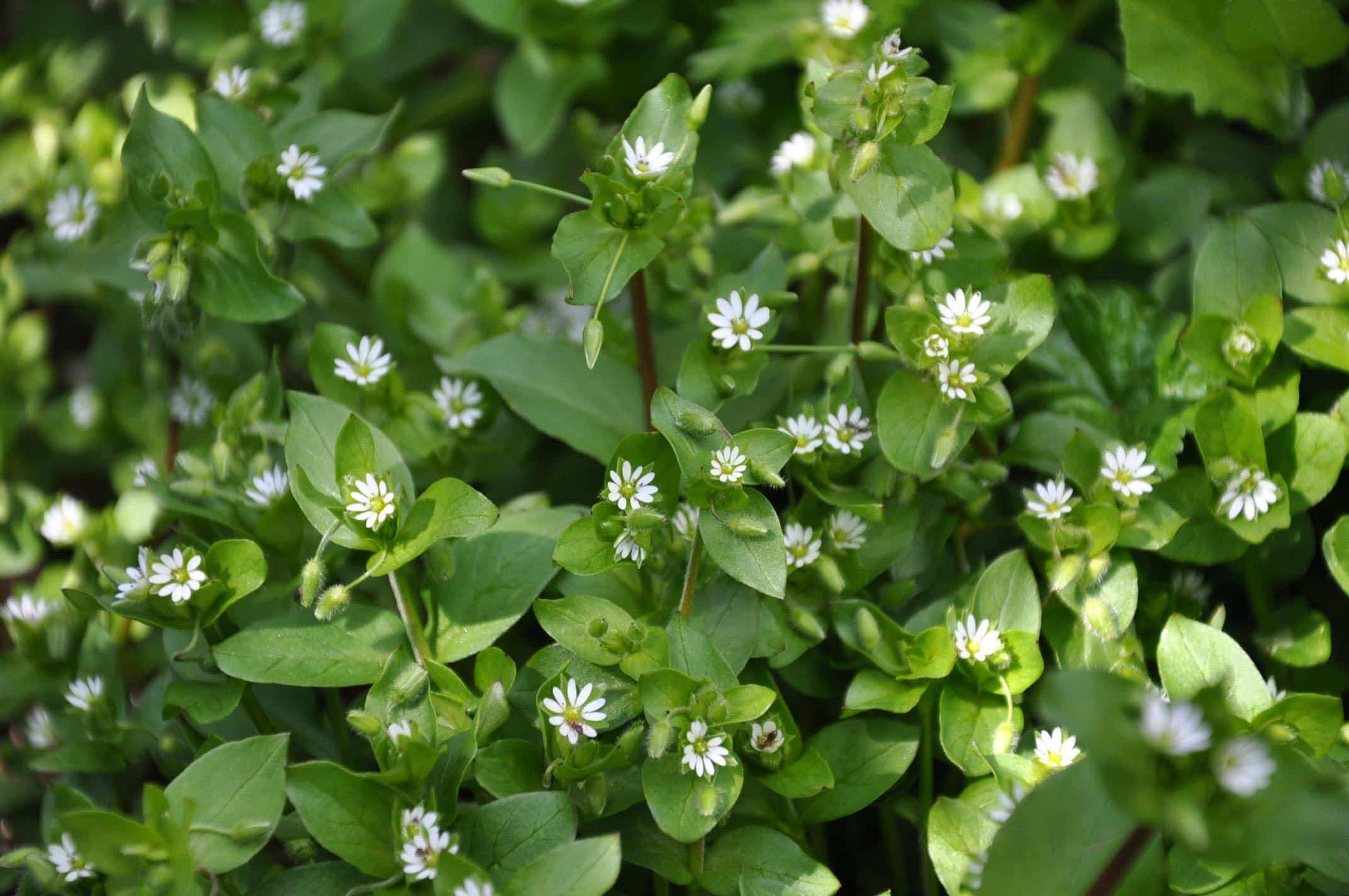
9. Chickweed – A Lover of Potassium-Rich Soil
What It Indicates: High potassium levels.
Chickweed is commonly found in gardens with nutrient-dense soil, particularly those rich in potassium.
💡 Tip: Rotate crops to maintain balanced nutrient levels in the soil.
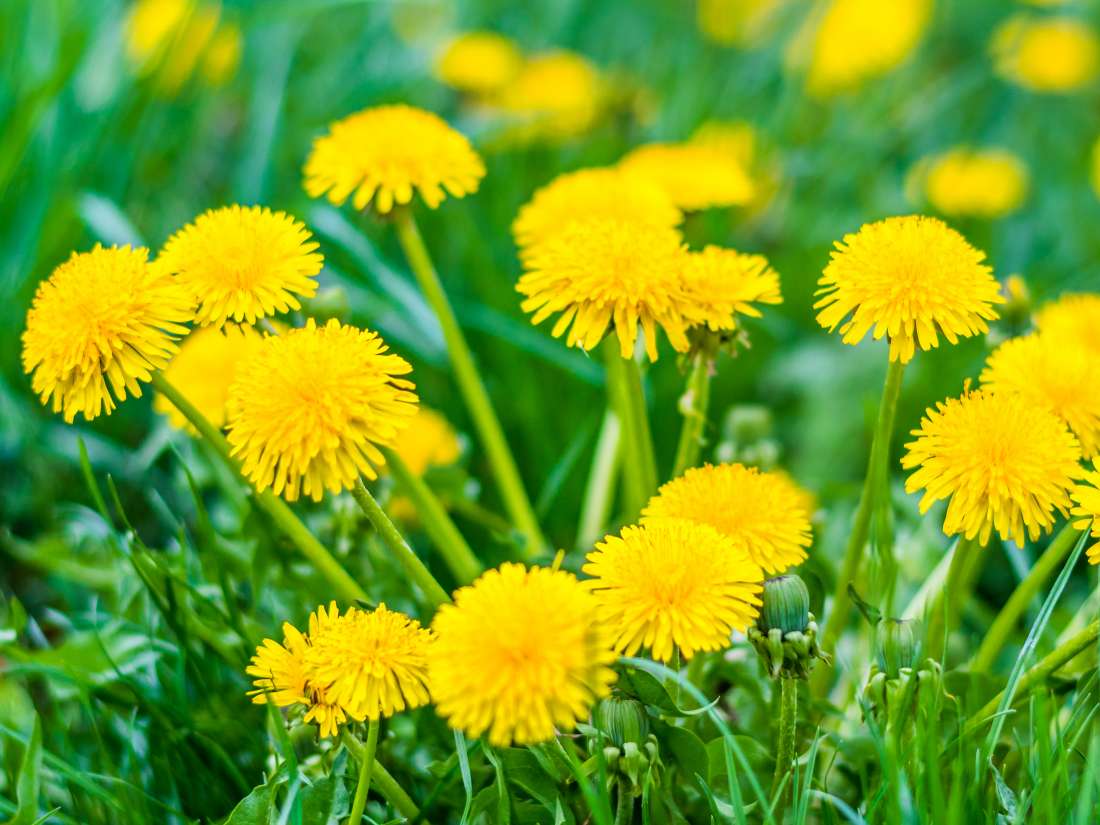
10. Dandelion – A Pollinator-Friendly Indicator of Soil Quality
What It Indicates: Moist, fertile, or slightly acidic soil
Dandelions grow in a variety of conditions, but their presence often indicates rich, well-aerated soil. Plus, they attract pollinators like bees!
💡 Tip: Allow some dandelions to remain in your garden to support pollinators while keeping them in check with regular weeding.
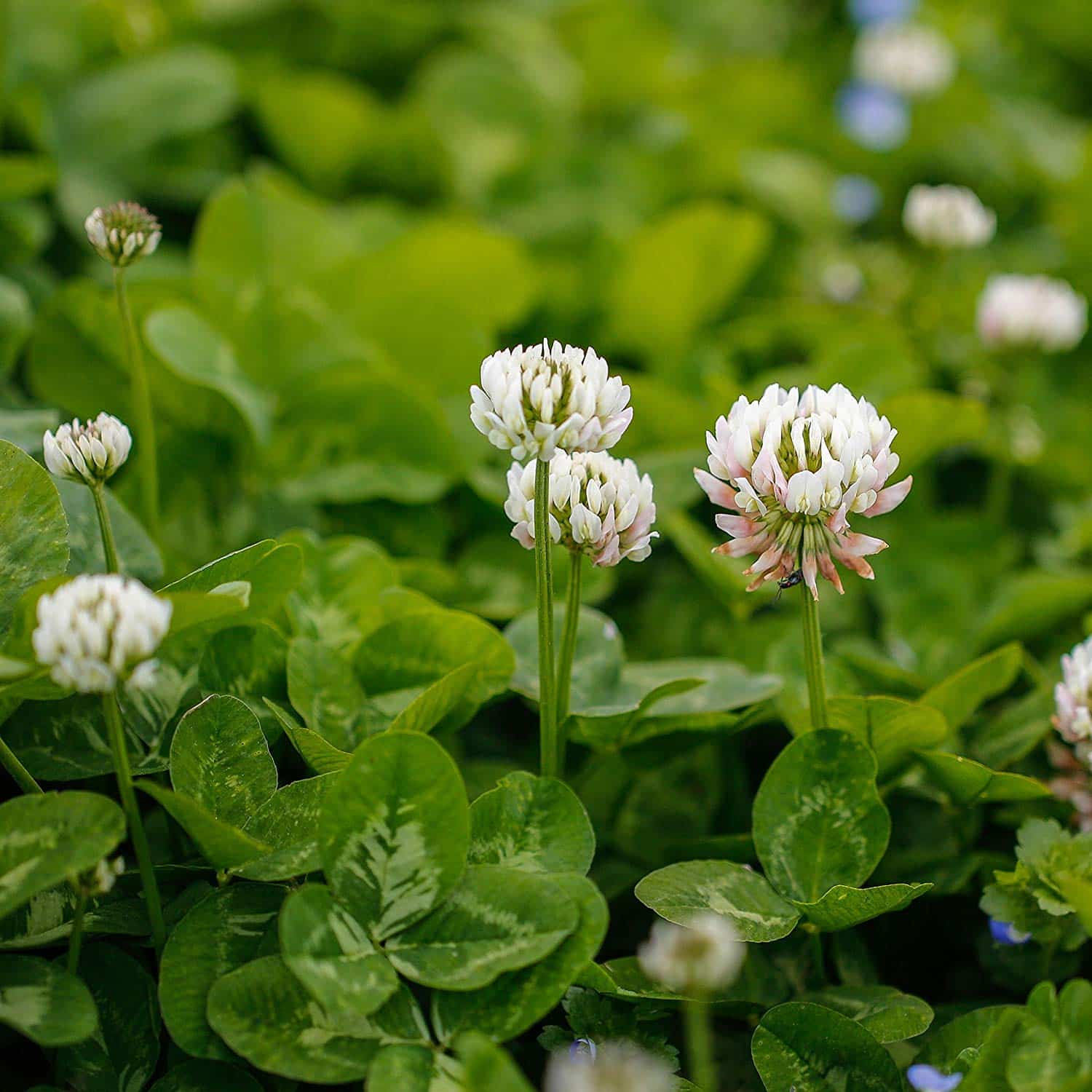
11. Clover – Nature’s Nitrogen Fixer
What It Indicates: Nitrogen-deficient soil
Clover has nitrogen-fixing roots, meaning it can improve nitrogen levels in the soil by converting atmospheric nitrogen into a usable form for plants.
💡 Tip: Consider planting clover as a cover crop to naturally enrich the soil with nitrogen.
12. Lamb’s Quarters – A Sign of Nitrogen-Rich Soil
What It Indicates: High nitrogen levels
Lamb’s quarters are a strong indicator that your soil is rich in nitrogen, which is essential for plant growth. Additionally, these weeds help deter harmful insects.
💡 Tip: Utilize lamb’s quarters as a natural compost ingredient to boost soil fertility.

Weeds aren’t always the enemy! Many of them provide valuable insights into your soil’s health and composition.
By identifying what types of weeds grow in your garden, you can take the necessary steps to improve soil quality and create the perfect growing environment for your plants.


