If you’re looking for natural ways to support your mental well-being, these foods and herbs have long been used as natural mood boosters.
Whether through their nutrient-rich profiles or their calming properties, these plants have been valued for generations.
Keep reading to discover how you can incorporate them into your daily routine!
1. Swiss Chard – A Nutrient Powerhouse for Mental Health
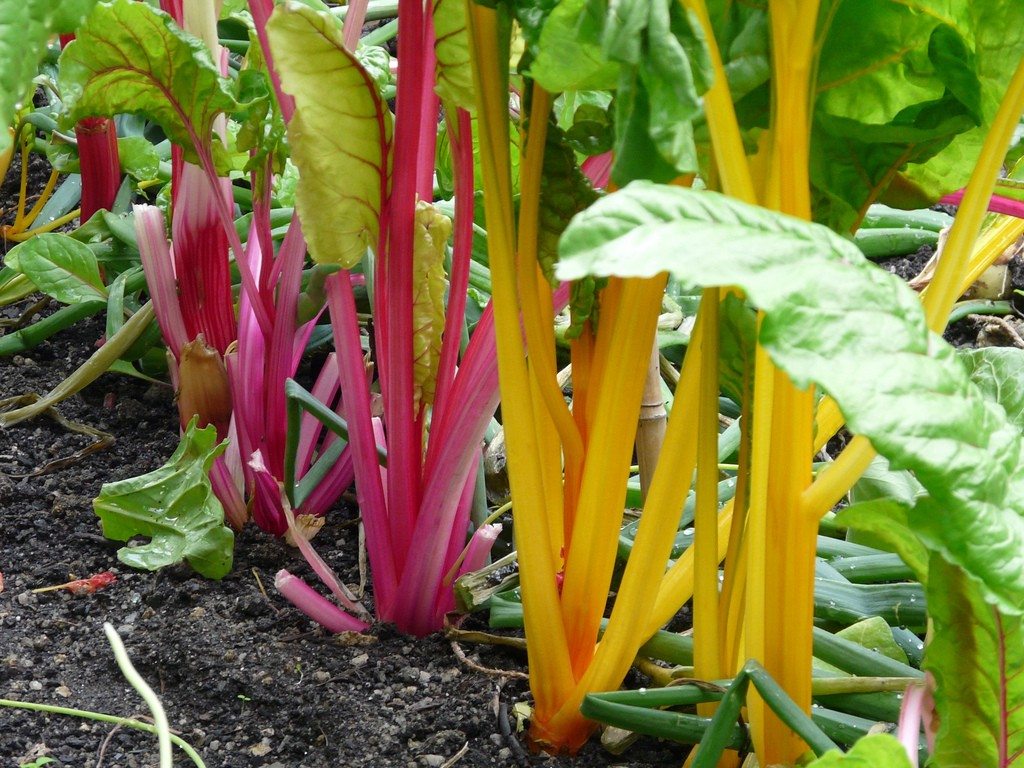
Swiss chard is a leafy green packed with magnesium, a crucial mineral for brain function and stress management. It’s an easy-to-grow plant that thrives well into winter when planted in late summer.
How to Grow:
- Choose a sunny location, though it can tolerate some shade.
- Plant 2-3 seeds per 12-inch deep pot filled with organic potting soil.
- Water regularly and enjoy a nutrient-rich harvest in just a few months.
💡 Tip: Swiss chard is delicious in smoothies, salads, and stir-fries!
2. Blue Potatoes – A Unique Mood Booster
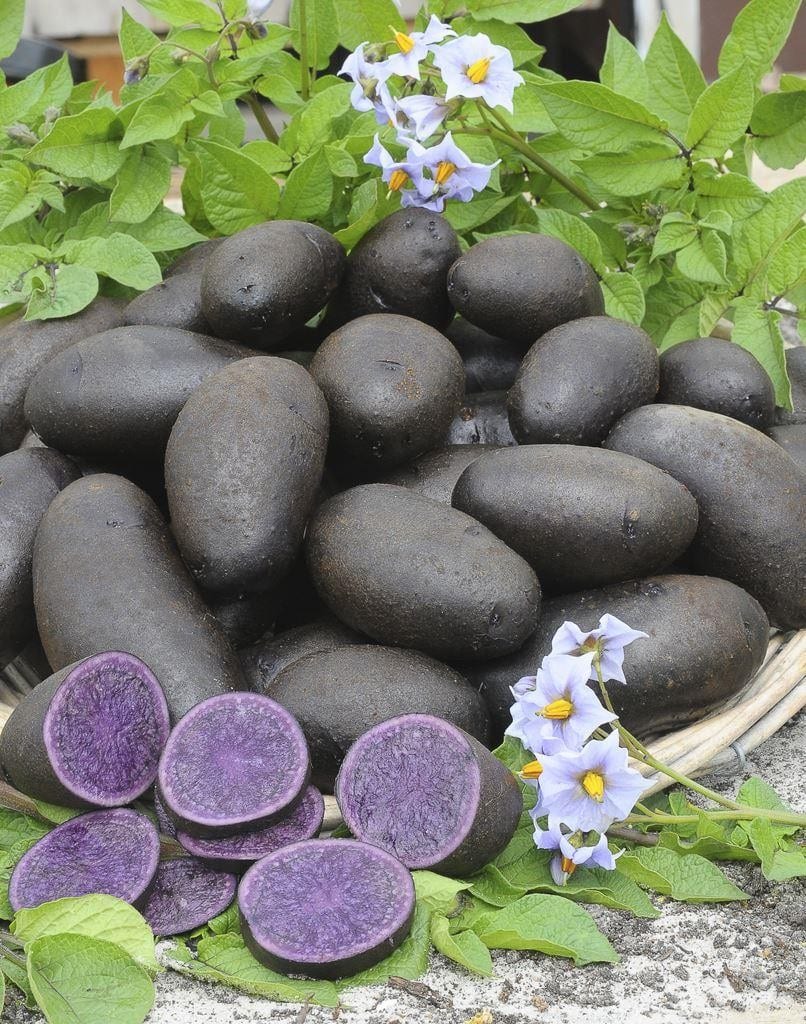
Rich in antioxidants and anthocyanins, blue potatoes are known to support brain health and combat inflammation, making them a fantastic food for mental well-being.
How to Grow:
- Cut a few drainage holes in a large container filled with soil.
- Plant 2-inch potato seeds about 4 inches deep.
- Place in a sunny location and water regularly.
- After about three months, when the flowers bloom, your potatoes are ready to harvest!
💡 Tip: Enjoy them roasted or mashed for a vibrant and healthy meal.
3. Cherry Tomatoes – A Simple Source of Happiness

Tomatoes are high in lycopene, an antioxidant that helps protect the brain from oxidative stress. Cherry tomatoes are an excellent choice for home gardeners since they produce quickly and abundantly.
How to Grow:
- Use a pot at least 6 inches deep for container planting.
- Place in full sun to maximize growth.
- Water consistently and expect your first harvest in about two months.
💡 Tip: Add fresh cherry tomatoes to salads or snack on them raw for a quick boost of antioxidants.
4. Black-Eyed Peas – A Protein-Rich Mood Booster
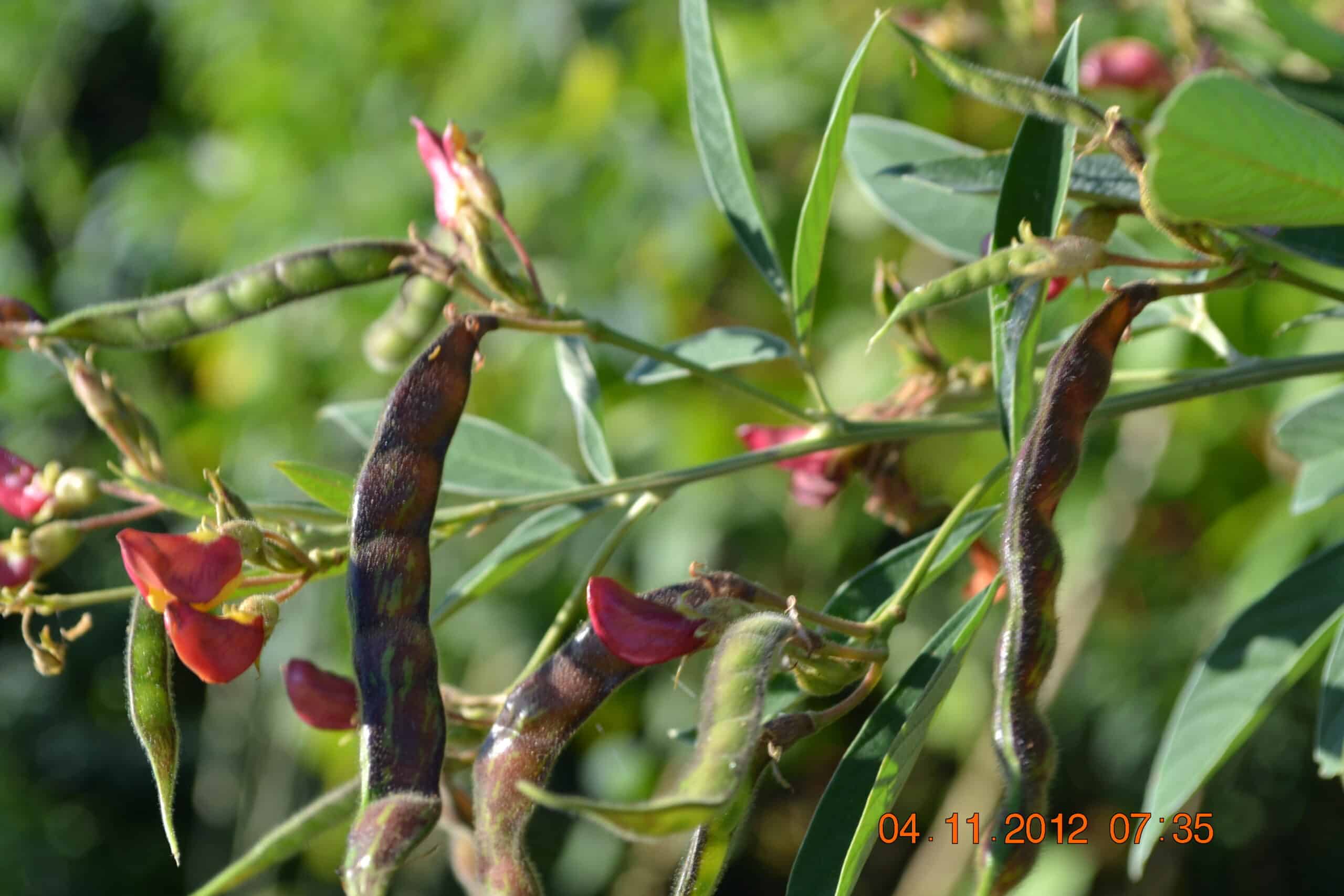
Black-eyed peas are an excellent source of folate, which plays a crucial role in serotonin production, the neurotransmitter responsible for happiness.
How to Grow:
- Plant seeds in a sunny location with well-draining soil.
- Water regularly, and expect to harvest in just over three months.
- Ideal for warm climates, as they thrive in hot temperatures.
💡 Tip: Enjoy black-eyed peas in soups, stews, or as a simple side dish.
5. Oregano – A Stress-Reducing Herb
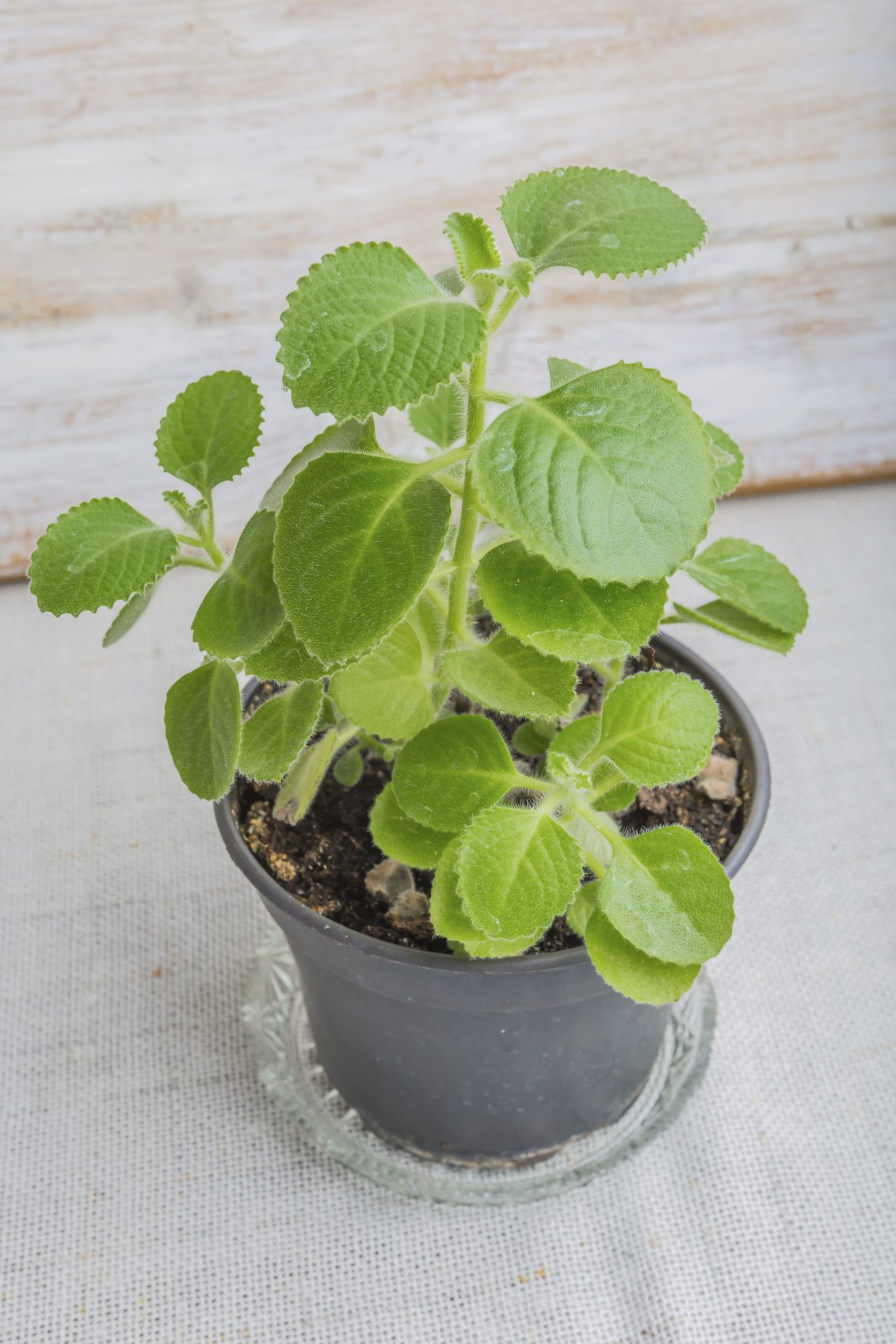
Oregano contains compounds that have antibacterial properties and may help reduce anxiety and stress when consumed regularly.
How to Grow:
- Choose a well-draining container with plenty of sunlight exposure.
- Look for a seedling at a local nursery to speed up growth.
- Oregano grows fast, so ensure it has enough space—about 12 inches across the top of its pot.
💡 Tip: Use fresh or dried oregano in teas or cooking for a flavorful and health-boosting addition to meals.
6. Sunflowers – A Cheerful Addition to Any Garden
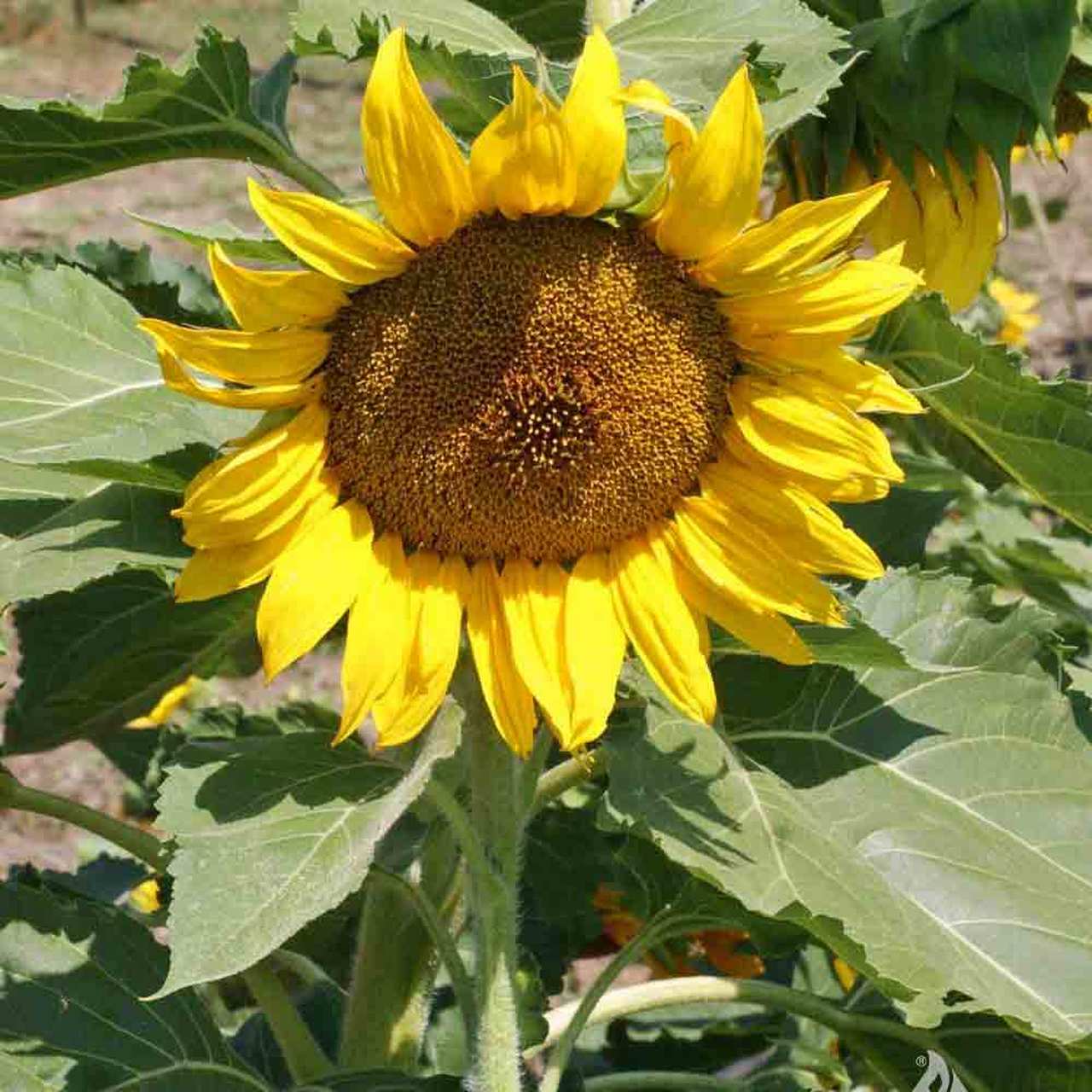
Sunflower seeds are rich in tryptophan, which supports serotonin production, helping to boost mood naturally.
How to Grow:
- Plant seeds in full sun with nutrient-rich soil.
- Cut stems at least 2 feet tall to allow the roots ample room to expand.
- Ensure consistent watering and watch these beautiful flowers thrive.
💡 Tip: Roast sunflower seeds for a crunchy and nutritious snack.
7. Chamomile – The Ultimate Calming Tea Herb
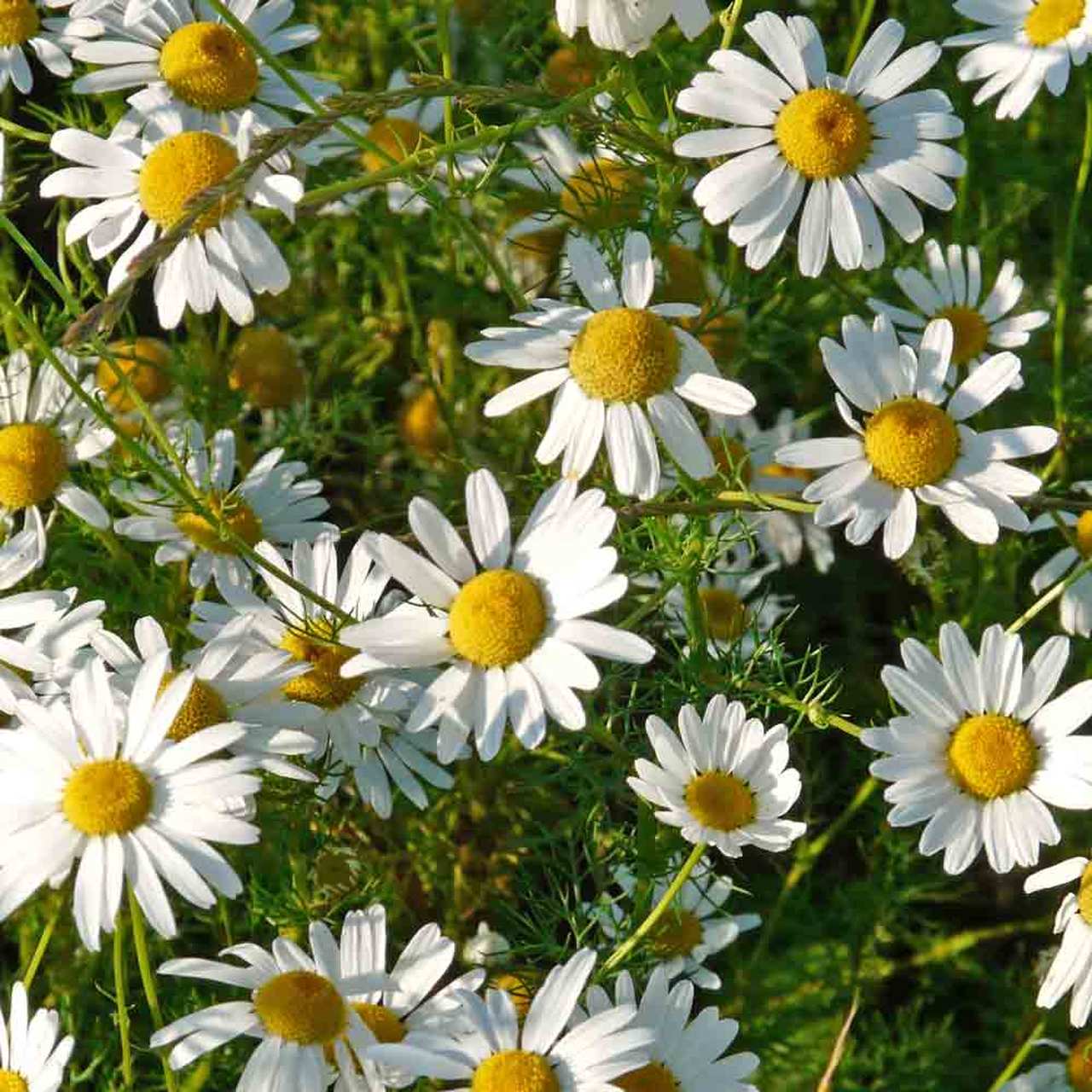
German chamomile is widely used in teas for its calming effects, making it a great natural remedy for stress and anxiety.
How to Grow:
- Plant chamomile seeds in a sunny or partially shaded location.
- Water regularly but do not overwater, as chamomile prefers well-draining soil.
- Harvest when flowers are in full bloom for the best flavor.
💡 Tip: Steep dried chamomile flowers in hot water for a soothing bedtime tea.
8. Evening Primrose – A Hormone-Balancing Herb
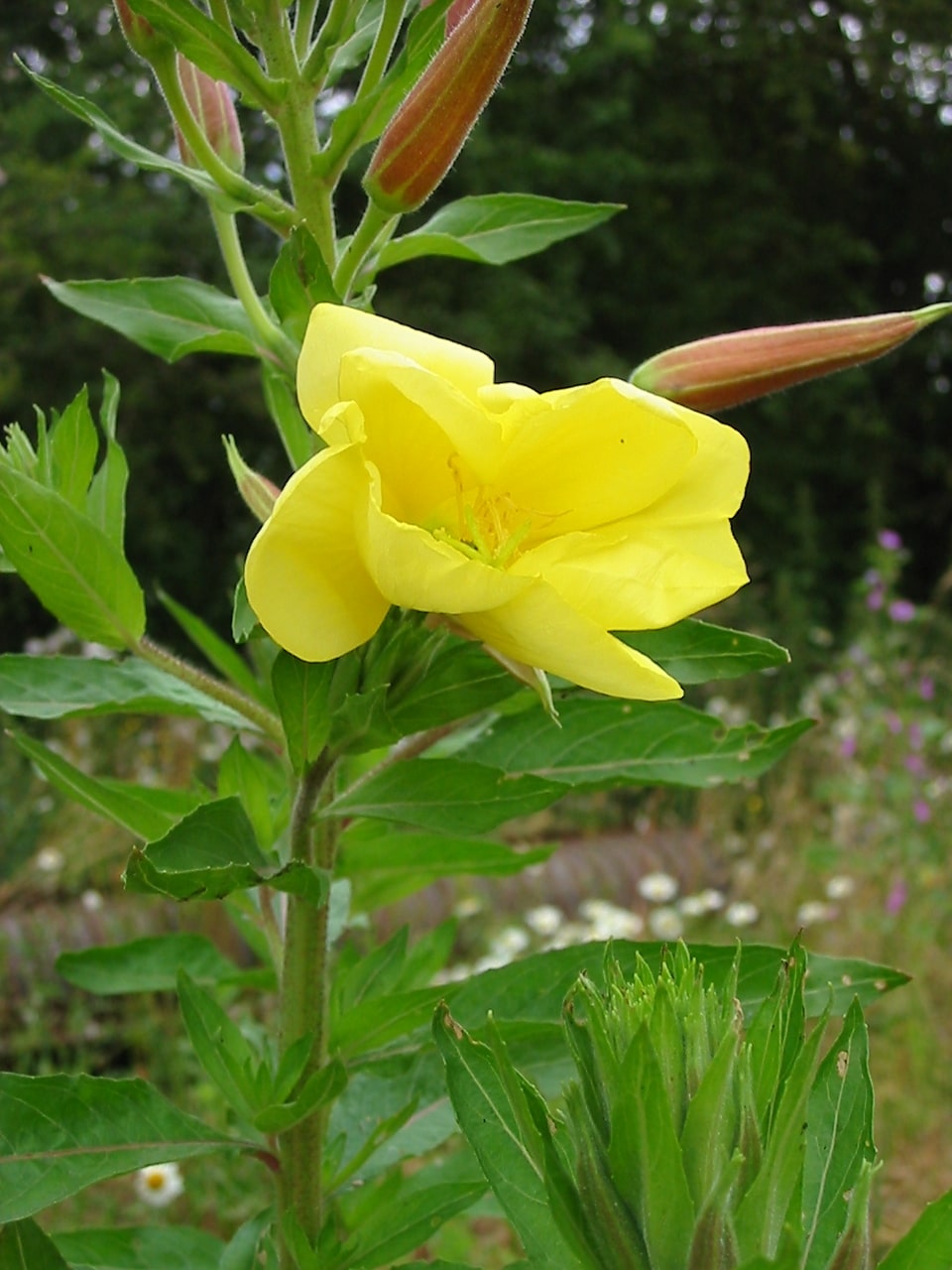
Evening primrose is known for its potential benefits in balancing hormones, which can impact mood and mental well-being.
How to Grow:
- Plant in containers or directly in the ground.
- Choose a sunny or partially shaded area for best results.
- Flowers bloom within 14-28 days after planting.
💡 Tip: Evening primrose oil is often used in supplements for its mood-balancing properties.
9. Lavender – A Fragrant Stress Reliever
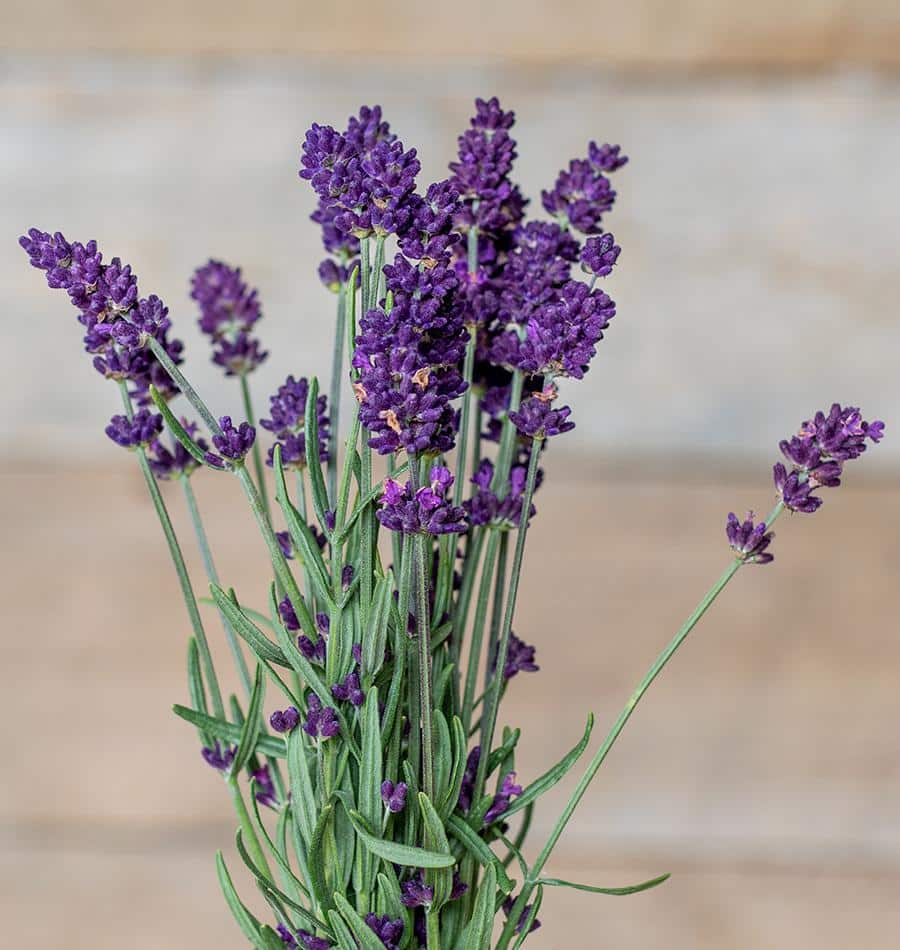
Lavender is well-known for its soothing aroma, which helps reduce stress and promote relaxation.
How to Grow:
- Use a terra cotta pot with good drainage, at least 12 inches wide and deep.
- Place in full sun, ensuring the plant receives plenty of light.
- Water sparingly, as lavender prefers dry soil.
💡 Tip: Keep dried lavender in your bedroom for a calming effect or use it in homemade teas.
10. St. John’s Wort – A Natural Mood Enhancer
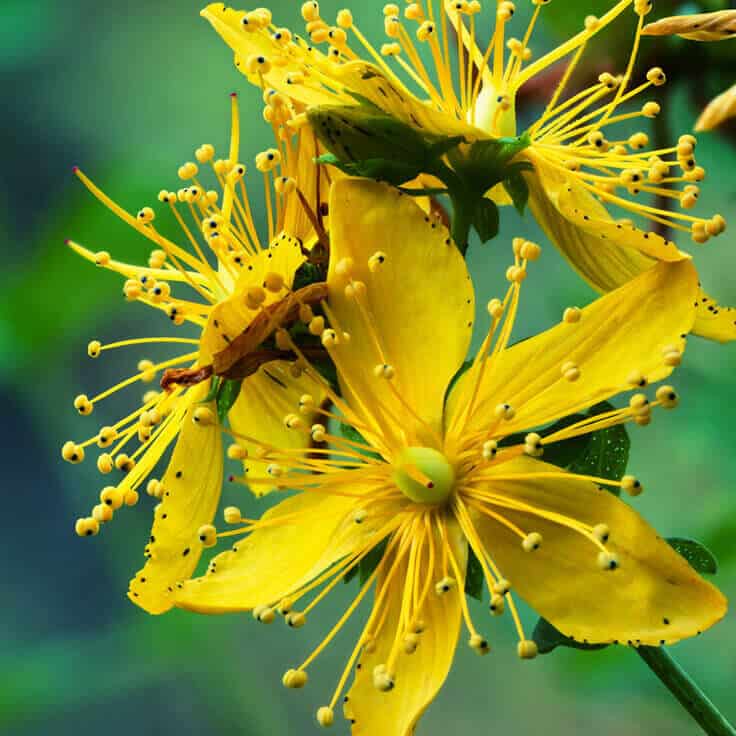
St. John’s Wort is widely used as a natural remedy for mild depression and mood disorders.
How to Grow:
- Start with seeds or seedlings in a container with well-draining soil.
- Place in a sunny location with partial shading.
- By mid-summer, your plants will have developed leaves, ready for harvesting.
💡 Tip: Consult with a healthcare provider before consuming St. John’s Wort, as it may interact with medications.
Incorporating these natural foods and herbs into your life can support mental health and overall well-being.
Whether you have a backyard garden or a few potted plants on your windowsill, growing these powerful mood-boosting plants can be both rewarding and beneficial.