Looking to define your flower beds, separate your lawn from gravel pathways, or add a stylish touch to your garden layout?
Garden edging is a simple yet impactful landscaping feature that can dramatically enhance the look and organization of your outdoor space.
Beyond aesthetics, garden edging serves a practical purpose — it keeps mulch, soil, and plants in place, prevents grass from encroaching into your flower beds, and creates a neat, polished look that defines your landscape design.
Whether you’re aiming for a natural rustic feel, a sleek modern look, or a charming cottage garden, there’s a wide array of materials and styles to match your garden’s personality.
From stone and brick to recycled materials and metal, here are 16 creative garden edging ideas that will inspire your next DIY landscaping project.
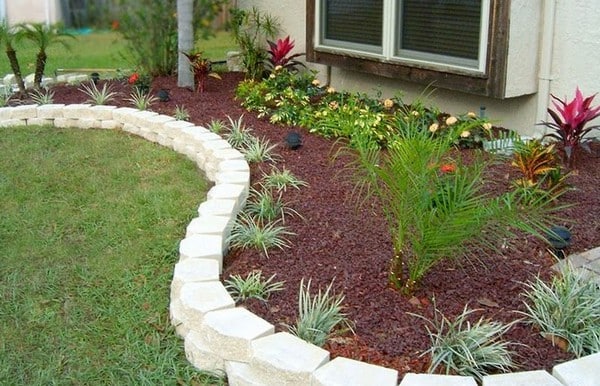
1. Curved Garden Edging for a Flowing Landscape
Curved edging softens harsh lines and adds a sense of movement and elegance to your garden.
Instead of rigid straight edges, graceful curves guide the eye and create a more organic layout. Ideal for flower beds, curved edging works beautifully in both modern and cottage gardens.
Best Materials: Flexible metal, brick, stone, or composite plastic
Bonus: Enhances the natural contours of your yard and makes small spaces feel larger.
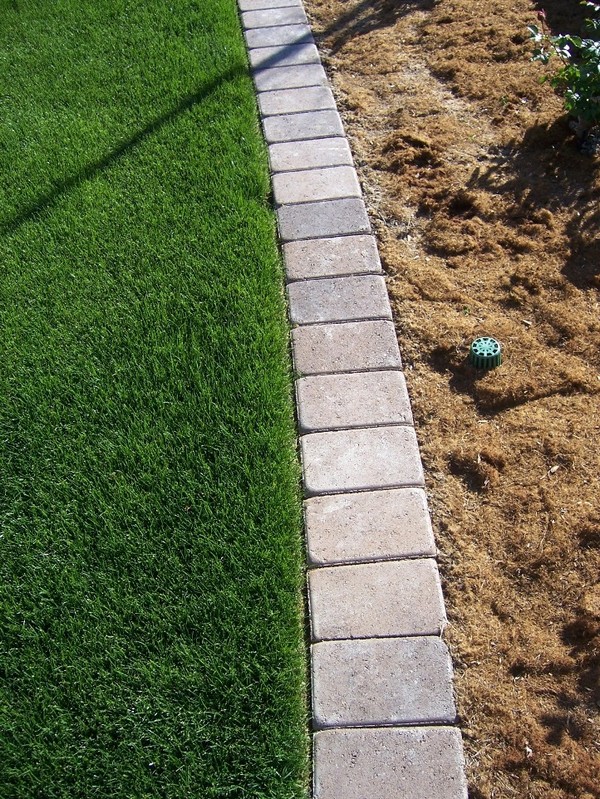
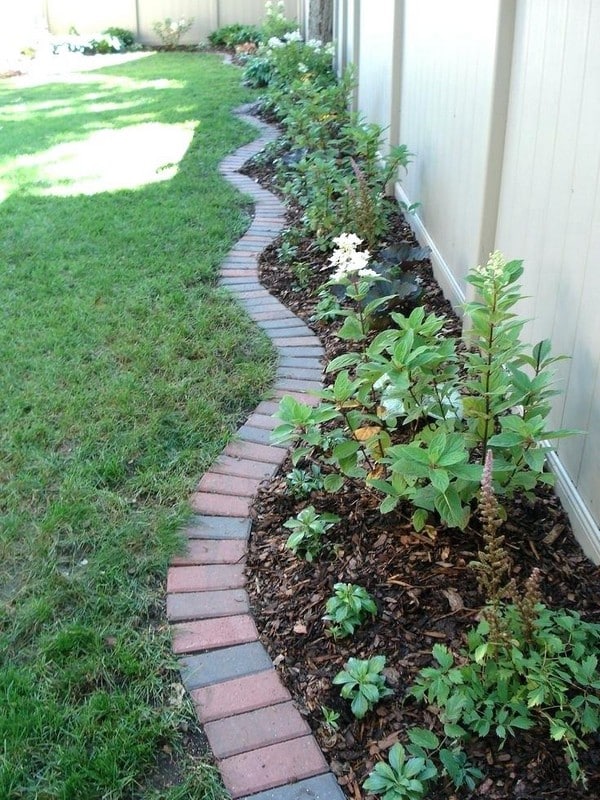
2. Paver Mow Strip for Easy Lawn Maintenance
A paver mow strip creates a clean, flat edge between your lawn and flower beds, making it easier to mow right up to the edge without damaging plants.
Pavers provide a crisp, uniform look and can be installed flush with the ground for a seamless effect.
Best Materials: Concrete or clay pavers
Why It Works: Prevents grass from creeping into your garden and doubles as a path for foot traffic or lawnmowers.
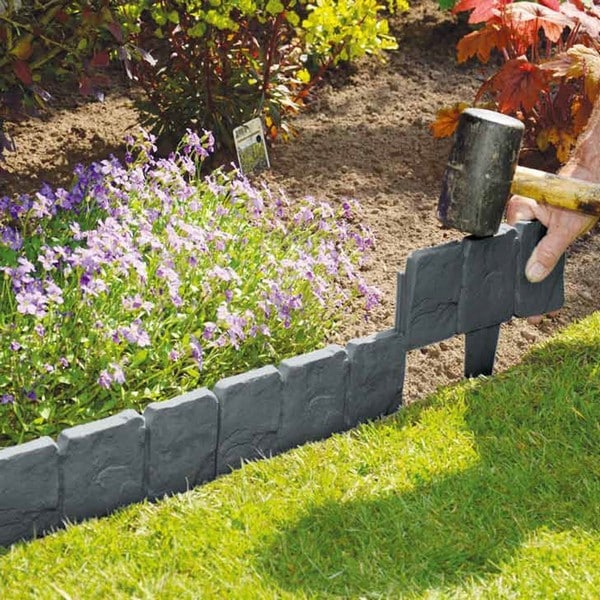
3. Cobbled Stone Parkland Edging for Timeless Charm
Inspired by European park paths, cobbled stone edging gives your garden a vintage, old-world charm.
It’s perfect for more formal gardens or traditional landscape designs and works well around walkways, beds, and tree bases.
Best Materials: Rounded cobblestones or granite blocks
Style Tip: Pair with symmetrical garden layouts or box hedges for a classic look.
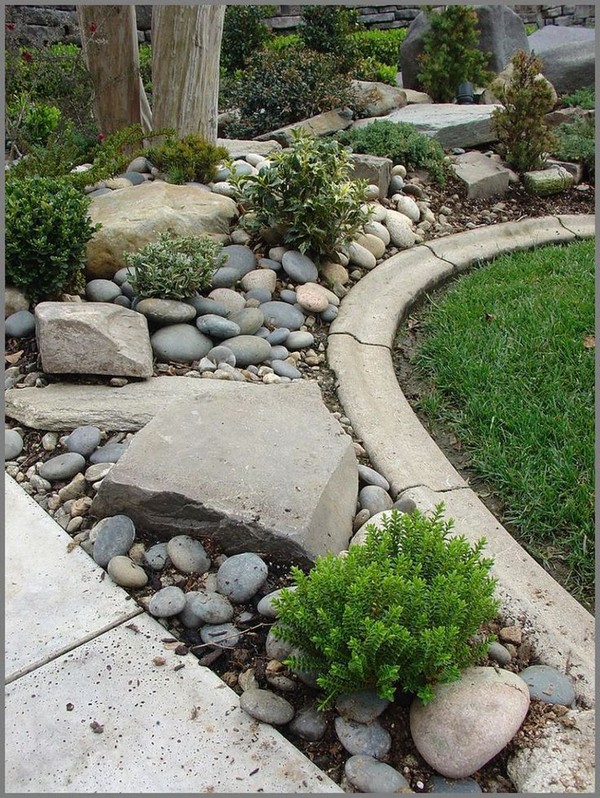
4. Modern Rock Garden Edging for a Clean, Minimalist Look
If you’re a fan of zen-inspired or contemporary landscapes, try using a mix of small boulders and decorative gravel to frame your garden beds.
This type of edging not only defines the space but adds texture and dimension to your yard.
Best Materials: River rock, slate chips, or lava rock
Bonus: Works especially well with succulents, ornamental grasses, and drought-tolerant plants.
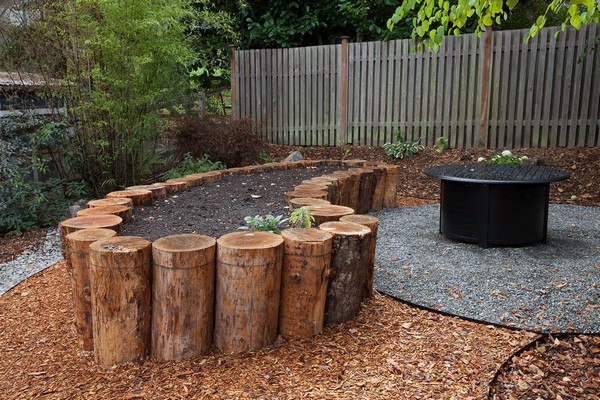
5. Flat Logs Garden Edging for a Rustic Vibe
Bring nature into your landscape with flat wooden logs or timber slices laid edge-to-edge.
This organic garden border adds warmth and texture, especially when used around vegetable gardens or informal flower beds.
Best Materials: Treated hardwood logs, reclaimed timber
Eco Tip: Use naturally rot-resistant wood like cedar or oak for durability.
6. Brick Garden Bed Edging for a Traditional Touch
Brick edging is one of the most popular and timeless garden borders.
It adds a structured, tidy feel while offering versatility in patterns — from soldier (upright), herringbone, to basketweave layouts.
Best Materials: Reclaimed bricks or concrete bricks
Why It’s Great: Low maintenance and easy to match with existing walkways or patios.
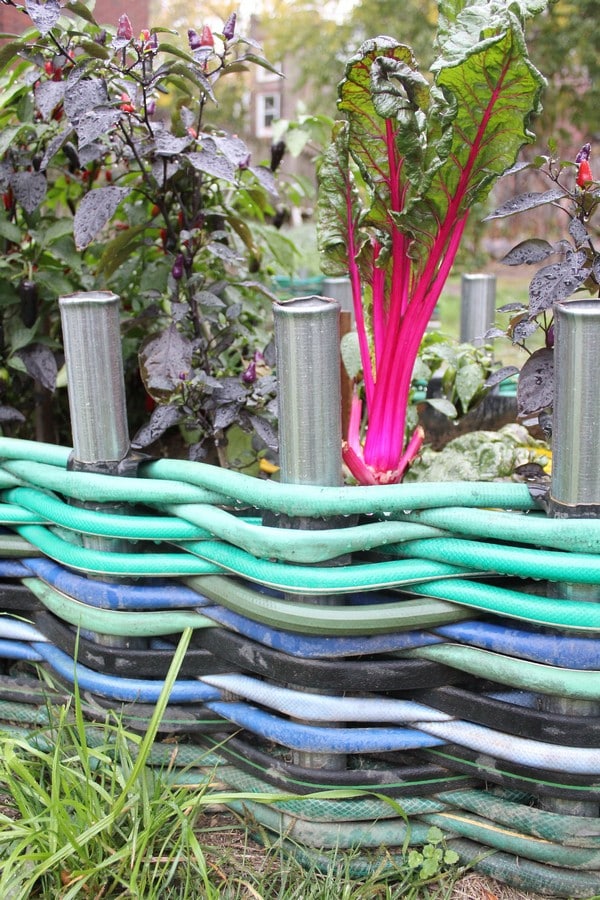
7. Woven Hose or Branch Edging for a Creative DIY Look
Use recycled garden hoses or flexible willow branches to craft a unique, woven edge that gives your garden a whimsical, handcrafted feel.
It’s budget-friendly and great for casual or cottage-style gardens.
Best Materials: Reused hoses, wicker, or flexible canes
Pro Tip: Secure with garden stakes to maintain shape over time.
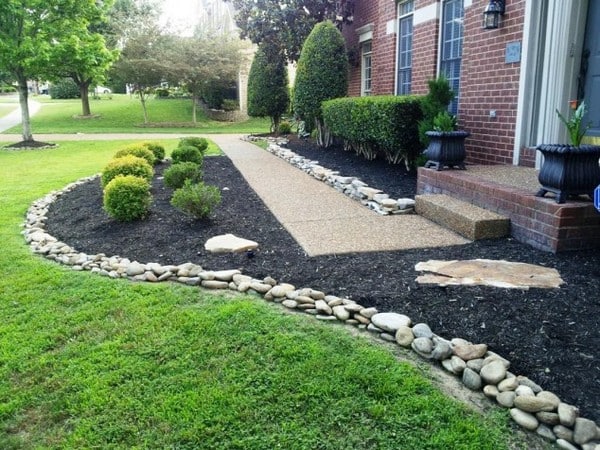
8. Natural Rock Garden Edging for Organic Appeal
Using irregular natural stones is an excellent way to add rustic elegance and blend your garden into the natural landscape.
Rocks provide durable, low-maintenance edging and work well for sloped yards or rock gardens.
Best Materials: Fieldstone, flagstone, or slate
Design Idea: Mix stone sizes for a natural, layered effect.
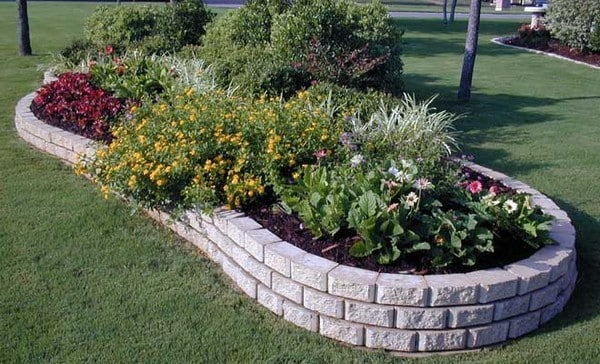
9. Concrete Lawn Edging for a Polished, Modern Border
Sleek concrete edging offers a modern look that’s highly durable and easy to clean.
It’s great for separating grass from mulch beds and gives a defined, sculptural appearance to your landscape.
Best Materials: Precast concrete curbs or poured concrete molds
Bonus: Customize shapes and finishes to match your design.
10. Pebbled Stair Edging for Multi-Level Gardens
Add texture and definition to staircases by using pebbles or river stones along each step’s edge.
This not only enhances aesthetics but improves water drainage and minimizes erosion on sloped properties.
Best Materials: Smooth river rock, gravel
Ideal For: Tiered gardens or hillside properties.
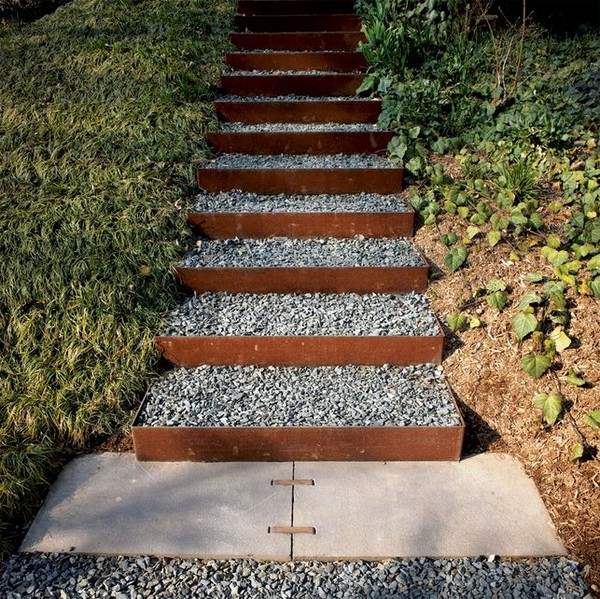
11. Steel Garden Edging for Sleek Durability
Corten steel or galvanized steel edging adds industrial flair and can last for decades without rotting or warping. It’s easy to bend into curves and sharp angles, making it perfect for modern and formal landscapes.
Best Materials: Corten steel, aluminum
Why It’s Popular: Long-lasting, weather-resistant, and virtually invisible once installed.
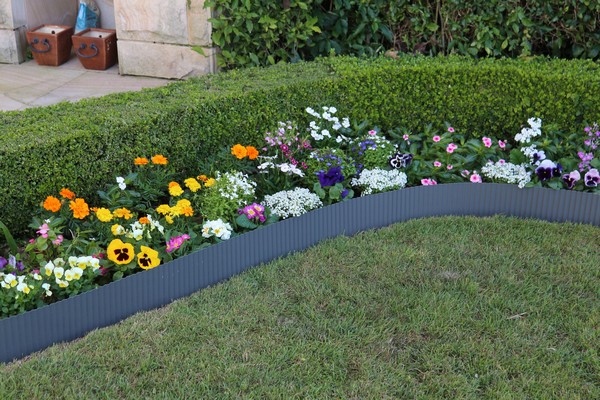
12. Metal Yard Edging for Minimalist Boundaries
Thin, flexible metal strips provide a nearly invisible border that seamlessly separates lawn from mulch or gravel.
It’s ideal for gardeners who want structure without drawing attention away from their plants.
Best Materials: Steel, aluminum
Installation Tip: Tap into the soil with a rubber mallet and secure with metal stakes.
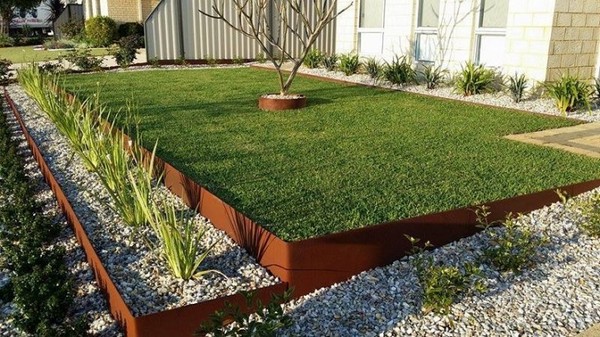
13. Antique Rope Top Edging for a Victorian Feel
This type of edging features ceramic or stone tiles shaped with a raised “rope” design.
It was commonly used in traditional English gardens and offers a decorative, historical charm that pairs well with brick patios or classic plantings.
Best Materials: Terracotta, clay, or concrete
Style Idea: Use to border rose beds or ornamental hedges.
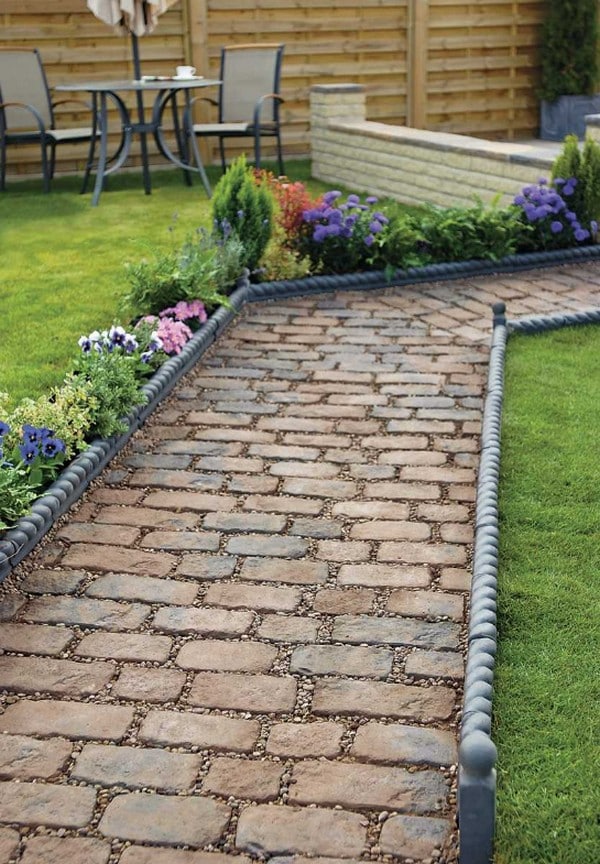
14. Recycled Brick Garden Edge for Sustainability and Charm
Give old bricks new life by using them as eco-friendly garden edging. You can create artistic patterns or keep them simple with a laid-back, weathered look that enhances rustic and country-style gardens.
Best Materials: Salvaged bricks, clay bricks
Bonus: Affordable and sustainable
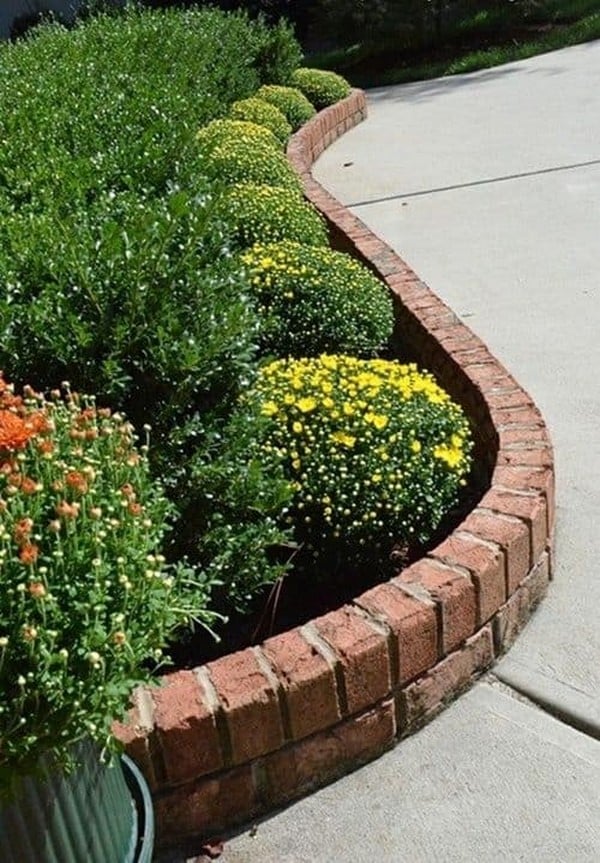
15. Turf Seat Around a Tree with Natural Edging
Create a cozy turf bench or circle around a large tree and frame it with decorative edging — such as stone, brick, or timber — to define the space and prevent root exposure.
Best Materials: Brick, timber, or stone
Perfect For: Shady reading spots or children’s play areas
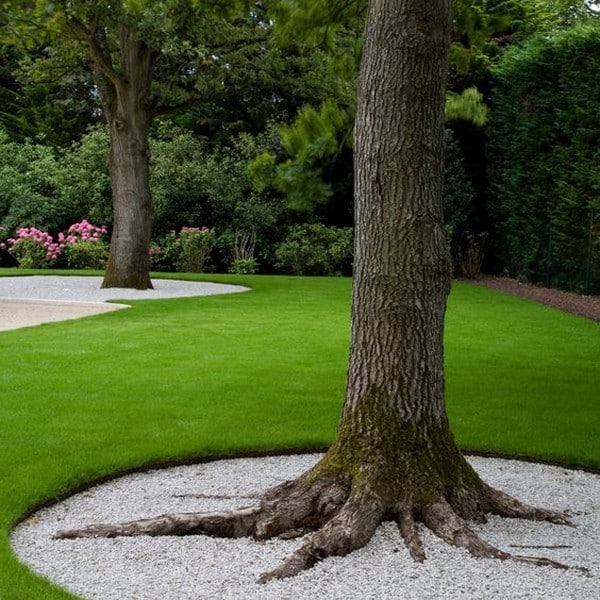
16. Classic Wooden Garden Edging for Versatility
Whether using pressure-treated wood, cedar, or landscaping timber, wooden edging adds a clean, structured feel to flower beds and pathways. You can stain, paint, or leave it natural to suit your garden’s style.
Best Materials: Cedar, redwood, or treated timber
Use It For: Straight garden beds, vegetable plots, or sandbox borders
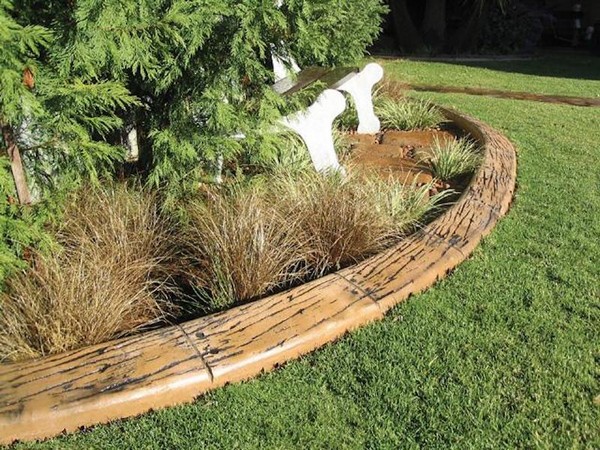
Garden edging is more than just a finishing touch — it’s a functional and stylish design element that can take your outdoor space from ordinary to outstanding.
Whether you prefer rustic stone, modern steel, eco-friendly wood, or creative DIY borders, there’s a garden edging idea to match your needs, budget, and aesthetic.
Choose an edging style that complements your landscape design, suits your climate, and adds the durability, definition, and curb appeal your garden deserves.