While many popular garden plants crave full sun, there’s an entire world of beautiful, unique, and low-maintenance species that actually prefer the shade.
Whether you’re working with a north-facing yard, a tree-covered landscape, or a side garden with limited light, you can still grow a lush and colorful garden filled with texture and interest.
In this guide, we’ll introduce you to 10 shade-loving plants — some well-known, others pleasantly surprising.
We’ll explain where they thrive, what soil conditions they need, and how to keep them happy in shady or dappled-light environments.
1. Actaea (Baneberry)
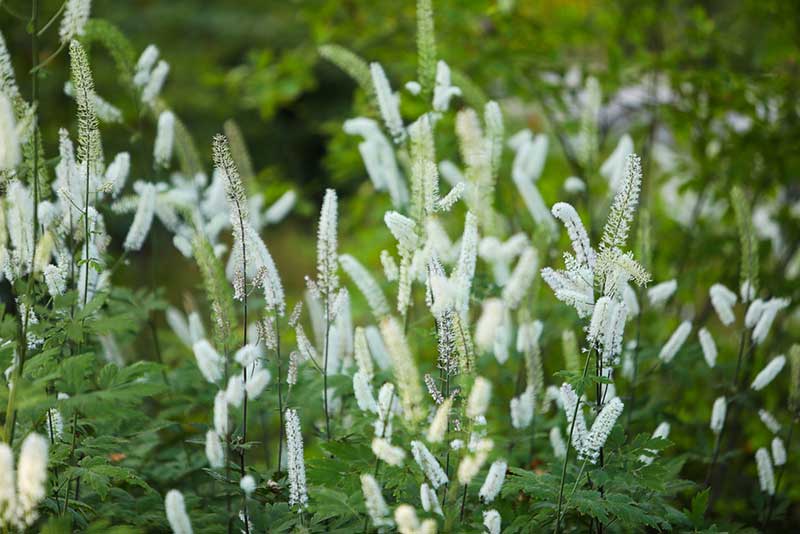
Actaea, commonly known as Baneberry, is a dramatic woodland plant with lacy green foliage and showy clusters of white or red berries — both ornamental and highly toxic. It thrives in deep shade and adds a bold presence to shady borders or woodland gardens.
Key Info:
-
Zones: 3–9 (White Baneberry for zones 3–8; Red Baneberry for zones 3–9)
-
Height: 2–3 feet
-
Soil: Moist, rich, well-draining
-
Light: Full shade to part shade
Bonus Tip:
Plant in areas protected from pets and small children due to the toxicity of the berries.
2. Arisaema (Jack-in-the-Pulpit)
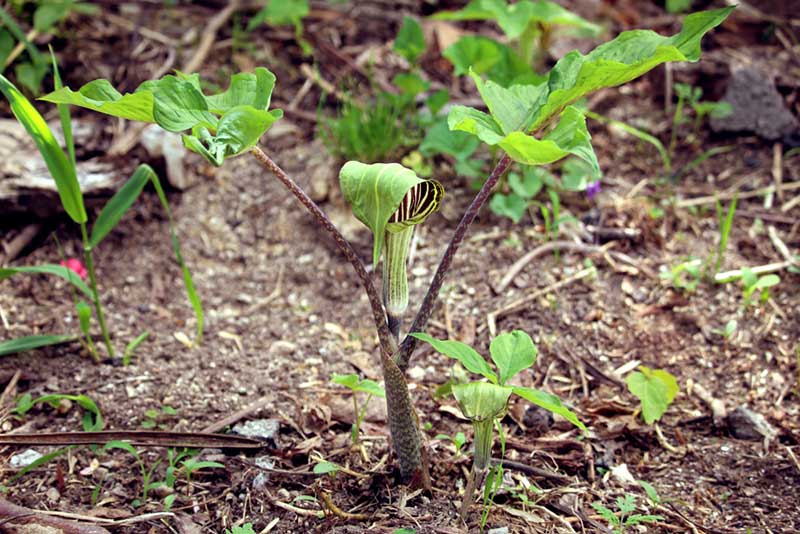
Jack-in-the-pulpit is a fascinating native woodland plant with a hooded flower structure resembling a preacher in a pulpit. It’s a shade garden standout thanks to its exotic look and ability to tolerate deeply shaded, moist locations.
Key Info:
-
Zones: 4–9
-
Height: 1–3 feet
-
Soil: Rich, humusy, consistently moist
-
Light: Shade to part shade
Bonus Tip:
Add mulch in early spring to maintain moisture and feed the soil naturally.
3. Astilbe
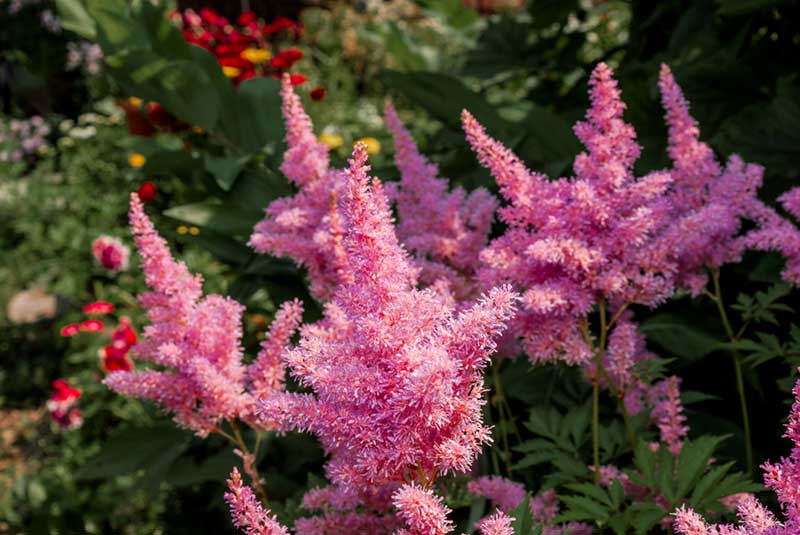
If you’re looking for colorful flower plumes in the shade, Astilbe is your go-to plant. It produces soft, feathery blooms in pastel shades of pink, red, lavender, or white and has fern-like foliage that adds texture even after the flowers fade.
Key Info:
-
Zones: 3–8
-
Height: 18–24 inches
-
Soil: Moist, well-drained, slightly acidic
-
Light: Shade to part sun
Bonus Tip:
Astilbe hates drying out — water consistently during hot summer months.
4. Astrantia (Masterwort)
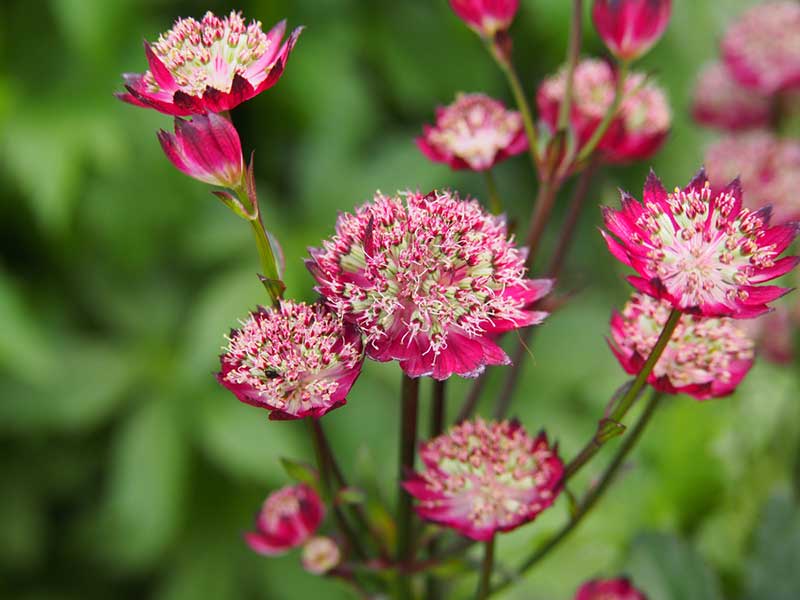
This underused shade-loving perennial offers delicate star-shaped flowers atop sturdy stems. It performs beautifully in woodland gardens, mixed borders, or around ponds and water features.
Key Info:
-
Zones: 4–9
-
Height: 18–24 inches
-
Soil: Moist, fertile, well-drained
-
Light: Part shade to full shade
Bonus Tip:
Astrantia blooms for months and makes a great cut flower — perfect for informal bouquets.
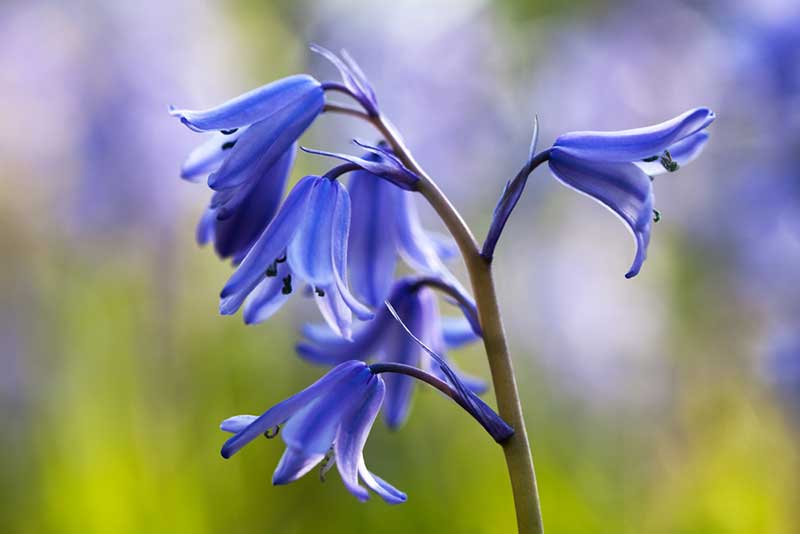
5. Bluebells (Hyacinthoides non-scripta or Mertensia)
Bluebells are early spring bloomers that carpet the ground with bell-shaped blue flowers. They’re a must-have for naturalized areas under trees and provide early nectar for pollinators.
Key Info:
-
Zones: 3–8
-
Height: 12–18 inches
-
Soil: Well-drained and moist
-
Light: Shade to dappled sun
Bonus Tip:
They’ll go dormant in summer, making room for other plants like hostas to shine.
6. Polygonatum (Solomon’s Seal)
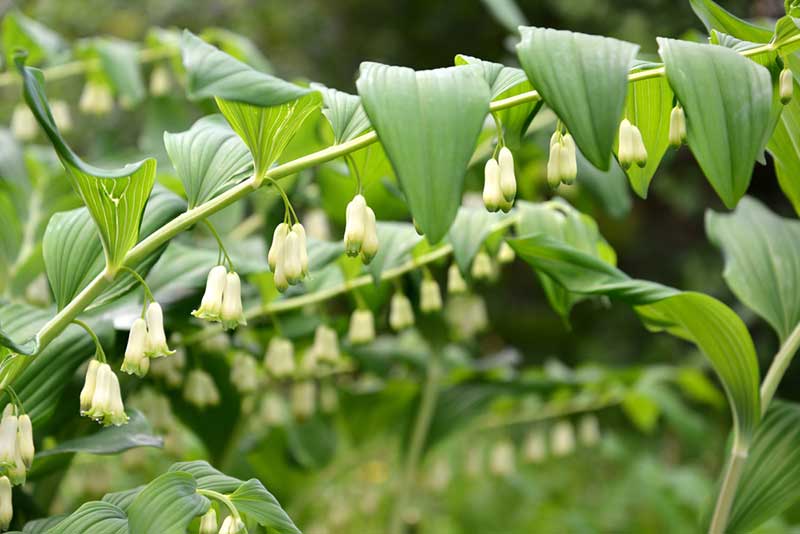
Solomon’s Seal is a graceful perennial with arching stems and dangling, white tubular flowers in spring. It’s ideal for adding movement and elegance to shaded corners.
Key Info:
-
Zones: 3–8
-
Height: 2–3 feet
-
Soil: Moist, well-drained, organically rich
-
Light: Shade to part shade
Bonus Tip:
Once established, this plant is drought-tolerant and deer-resistant.
7. Pulmonaria (Lungwort)
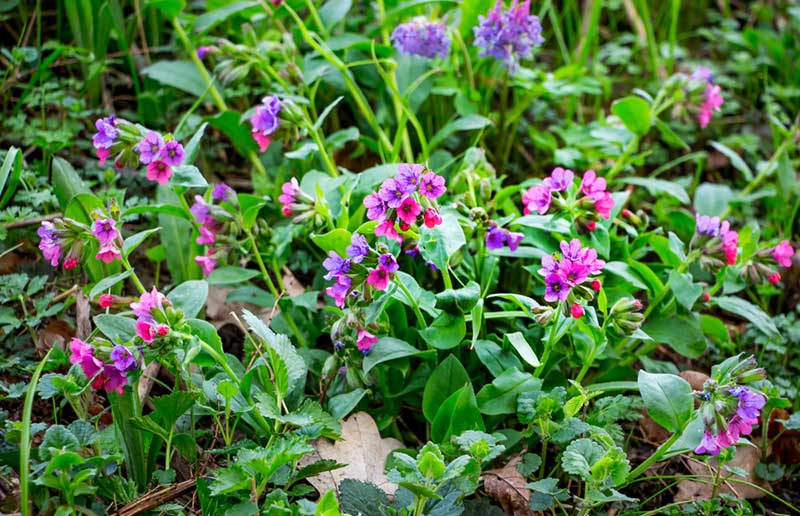
Pulmonaria, also called Lungwort, is a standout shade plant with spotted foliage and early spring blooms in shades of blue, pink, or purple — sometimes all on the same plant!
Key Info:
-
Zones: 3–8
-
Height: 12–14 inches
-
Soil: Moist, well-drained, rich in organic matter
-
Light: Shade to part shade
Bonus Tip:
Pulmonaria is one of the first flowers to bloom in spring and pairs beautifully with ferns or hostas.
8. Tiarella (Foamflower)
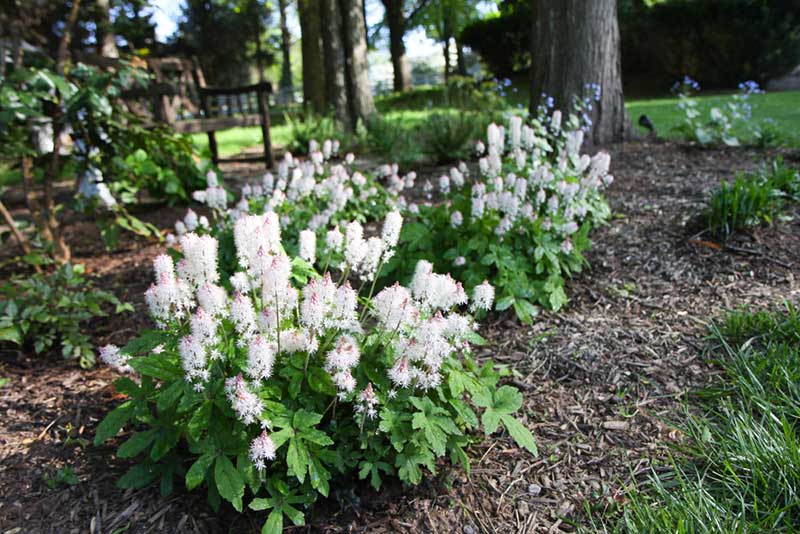
Foamflower is a native groundcover with airy, foamy white or pink blossoms in spring. It spreads slowly and is perfect for covering shaded soil beneath trees or in woodland paths.
Key Info:
-
Zones: 3–8
-
Height: 12–18 inches
-
Soil: Moist, humus-rich, slightly acidic
-
Light: Shade to part sun
Bonus Tip:
Tiarella is semi-evergreen in warmer zones and adds interest even when not in bloom.
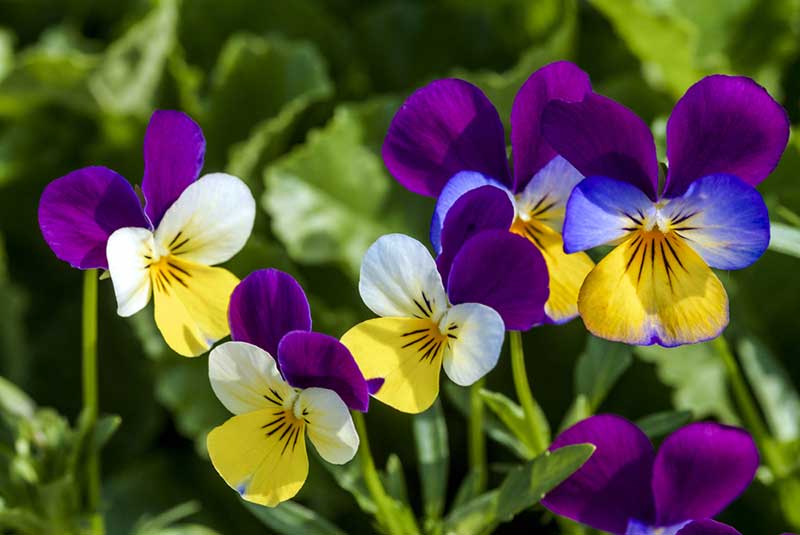
9. Viola (Wild Pansy)
Violas are charming cool-season annuals or short-lived perennials with bright, edible flowers that can grow in both sun and shade. They’re ideal for border edges or containers in dappled light.
Key Info:
-
Zones: 3–8
-
Height: 6–8 inches
-
Soil: Moist, well-drained
-
Light: Full sun to shade
Bonus Tip:
Plant violas in early spring or fall for best blooms. Deadhead regularly to extend flowering.
10. Helleborus (Lenten Rose)
Lenten Rose is a low-maintenance evergreen perennial that produces unique, downward-facing blooms in shades of purple, pink, white, or green. It blooms in late winter or early spring — often while snow is still on the ground!
Key Info:
-
Zones: 4–9
-
Height: 12–18 inches
-
Soil: Moist, well-draining, neutral to slightly alkaline
-
Light: Shade to part shade
Bonus Tip:
The plant’s foliage is attractive year-round, and it’s deer- and rabbit-resistant.
Caution: All parts of the plant are toxic if ingested and can irritate skin — wear gloves when handling.
Final Tips for Growing Shade-Loving Plants Successfully:
-
Improve the soil with compost or organic matter, especially under trees where nutrients may be depleted.
-
Mulch to retain moisture and prevent weeds.
-
Know your light levels — even shady areas differ. Morning sun with afternoon shade is different from deep woodland shade.
-
Group plants with similar water and light needs for easy maintenance.
-
Consider foliage color and texture to maintain visual interest even after blooms fade.
Shade doesn’t have to mean boring. With the right plant selection, a shady garden space can be filled with vibrant blooms, rich textures, and seasonal interest from early spring to fall.
From the exotic blooms of Jack-in-the-pulpit to the dainty charm of violas and the drama of baneberry, you have a wide range of options to create a cool, calming retreat.
Whether you’re planting under trees, along the north side of your home, or in a shady courtyard, these plants will help you cultivate a flourishing shade garden that thrives with minimal sunlight.