There’s something magical about stepping into a garden and being greeted by sweet, soothing, or spicy fragrances wafting through the air.
Whether it’s the calming scent of lavender or the spicy aroma of basil, growing fragrant herbs and flowers can completely transform your outdoor space into a sensory haven.
An aromatic garden not only delights your nose — it can also attract beneficial pollinators, deter pests naturally, and provide ingredients for cooking, teas, or even homemade oils and potpourri.
If you’re planning to create a garden that smells as beautiful as it looks, here are the 15 most fragrant herbs and flowers to include in your layout.
1. Lavender (Lavandula spp.)
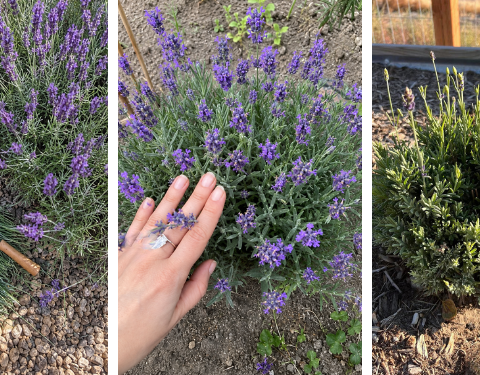
Lavender is perhaps the most iconic fragrant plant, prized for its calming floral aroma. It’s a staple in Mediterranean-style gardens and thrives in full sun with well-drained soil.
Lavender attracts bees and butterflies while deterring mosquitoes and other pests.
Use lavender flowers in:
-
Homemade sachets
-
Bath salts
-
Herbal teas
-
Dried flower arrangements
Best variety for fragrance: English lavender (Lavandula angustifolia)
2. Rose (Rosa spp.)
No fragrant garden is complete without roses. Many modern hybrid roses have been bred for appearance rather than scent, so opt for heirloom or old garden roses for the most intense fragrance.
Popular varieties known for their scent:
-
‘Damask’ roses
-
‘Mister Lincoln’ (hybrid tea rose)
-
‘Gertrude Jekyll’ (English rose)
Roses require full sun, rich soil, and good air circulation for healthy blooms and disease prevention.
3. Jasmine (Jasminum spp.)
Jasmine offers a sweet, exotic fragrance that becomes most potent in the evening, making it a favorite for moon gardens or patios.
The plant can be grown as a vine, shrub, or groundcover depending on the species.
Best for fragrance: Arabian Jasmine (Jasminum sambac) and Common Jasmine (Jasminum officinale)
Grow in full sun to part shade, and provide a trellis for climbing varieties.
4. Mint (Mentha spp.)
Mint’s cool, invigorating scent is unmistakable. With over 20 varieties, including spearmint, peppermint, and chocolate mint, this herb is a favorite for teas, garnishes, and pest control.
Mint spreads aggressively, so it’s best grown in containers or confined spaces.
Bonus tip: Crushing mint leaves releases even more scent.
5. Gardenia (Gardenia jasminoides)
Gardenias are beloved for their rich, creamy white flowers and intense perfume. Often used in perfumes, the fragrance is strongest in the late afternoon and evening.
Gardenias thrive in humid climates, acidic soil, and partial shade. They can be a bit finicky but are well worth the effort in warmer USDA zones (8–11).
6. Rosemary (Rosmarinus officinalis)
This woody, evergreen herb offers a strong, piney scent with hints of citrus and spice.
Rosemary is incredibly versatile — use it in the kitchen, in wreaths, or to repel garden pests like cabbage moths.
It prefers full sun and well-drained soil, and can be pruned into attractive shapes or hedges.
Pro tip: Running your hands over the leaves will release the essential oils.
7. Lilac (Syringa vulgaris)
Lilacs are a springtime favorite, producing highly fragrant purple, pink, or white blooms.
Their perfume is nostalgic and attracts pollinators like bees and butterflies.
Lilacs prefer full sun and bloom best on old wood, so prune after flowering.
Best varieties for scent:
-
‘Sensation’
-
‘Charles Joly’
-
‘Miss Kim’ (compact size)
8. Thyme (Thymus vulgaris)
Thyme is a low-growing herb with tiny flowers and a spicy, earthy scent that intensifies when stepped on or brushed. Perfect for edging paths, rock gardens, or container planting.
Thyme loves sunny, dry conditions and is drought-tolerant once established.
Try lemon thyme or caraway thyme for unique fragrance variations.
9. Sweet Alyssum (Lobularia maritima)
This tiny flower packs a powerful scent punch. Sweet alyssum produces clouds of tiny white, pink, or purple flowers with a honey-like fragrance, making it a favorite for borders and hanging baskets.
It thrives in cooler temperatures and is often used for early spring or fall displays.
Bonus: It’s excellent for attracting beneficial insects.
10. Honeysuckle (Lonicera spp.)
Honeysuckle vines are known for their sweet, nectar-rich flowers that attract hummingbirds and bees. The scent is strongest in the evening and early morning.
Choose non-invasive varieties like ‘Goldflame’ or ‘Major Wheeler’ and provide support for climbing.
They grow best in full sun to part shade and bloom from spring through summer.
11. Basil (Ocimum basilicum)
Basil isn’t just for pesto — it also brings a spicy, clove-like aroma to your herb garden. Popular varieties include sweet basil, Thai basil, lemon basil, and cinnamon basil.
It grows best in warm, sunny spots with well-drained soil. Harvest often to encourage new growth and enjoy the strong fragrance with every snip.
12. Peony (Paeonia spp.)
Peonies are showstoppers in spring gardens, offering lush blooms and a sweet, fresh fragrance that fills the air. Many heirloom and double varieties are especially aromatic.
They need full sun and well-drained soil. Peonies can live for decades, making them a long-term investment for a fragrant garden.
13. Hyacinth (Hyacinthus orientalis)
Hyacinths are among the most powerfully scented spring bulbs, releasing a strong floral aroma even from a distance. They bloom in shades of purple, pink, white, yellow, and blue.
Plant bulbs in the fall in sunny spots with good drainage. They’re also great for forcing indoors during winter.
14. Scented Geranium (Pelargonium spp.)
Unlike ornamental geraniums, scented geraniums are grown for their fragrant foliage rather than flowers. Leaves can smell like lemon, rose, chocolate, nutmeg, and even mint.
They’re ideal for containers or sunny garden spots, and can be brought indoors during winter in colder climates.
Rub the leaves to release fragrance or use them in potpourri and teas.
15. Dianthus (Dianthus spp.)
Also known as pinks or sweet Williams, dianthus flowers emit a spicy clove scent that’s especially fragrant in the early morning and evening.
These hardy perennials or biennials prefer full sun and well-drained soil, and work well in borders, rock gardens, or containers.
Look for varieties like ‘Firewitch’ or ‘Sweet William’ for the most intense fragrance.
When planning your aromatic garden, think about how scents travel and interact. Group fragrant herbs near seating areas or pathways, where you’ll brush against them and release their essential oils.
Place highly perfumed flowers near entrances, windows, or patios to enjoy their scent as you walk by or relax.
Here are a few tips for designing with fragrance in mind:
-
Mix bloom times so your garden has continuous scent from spring to fall
-
Combine different scent types (sweet, spicy, citrusy) for a layered aroma
-
Grow herbs in containers for portability and accessibility near your kitchen
-
Use trellises or vertical structures to feature fragrant vines like jasmine or honeysuckle
-
Include night-bloomers to enjoy scent during evening hours
With the right combination of plants, you can create a garden that engages all the senses — a place where color meets scent, and beauty meets purpose.