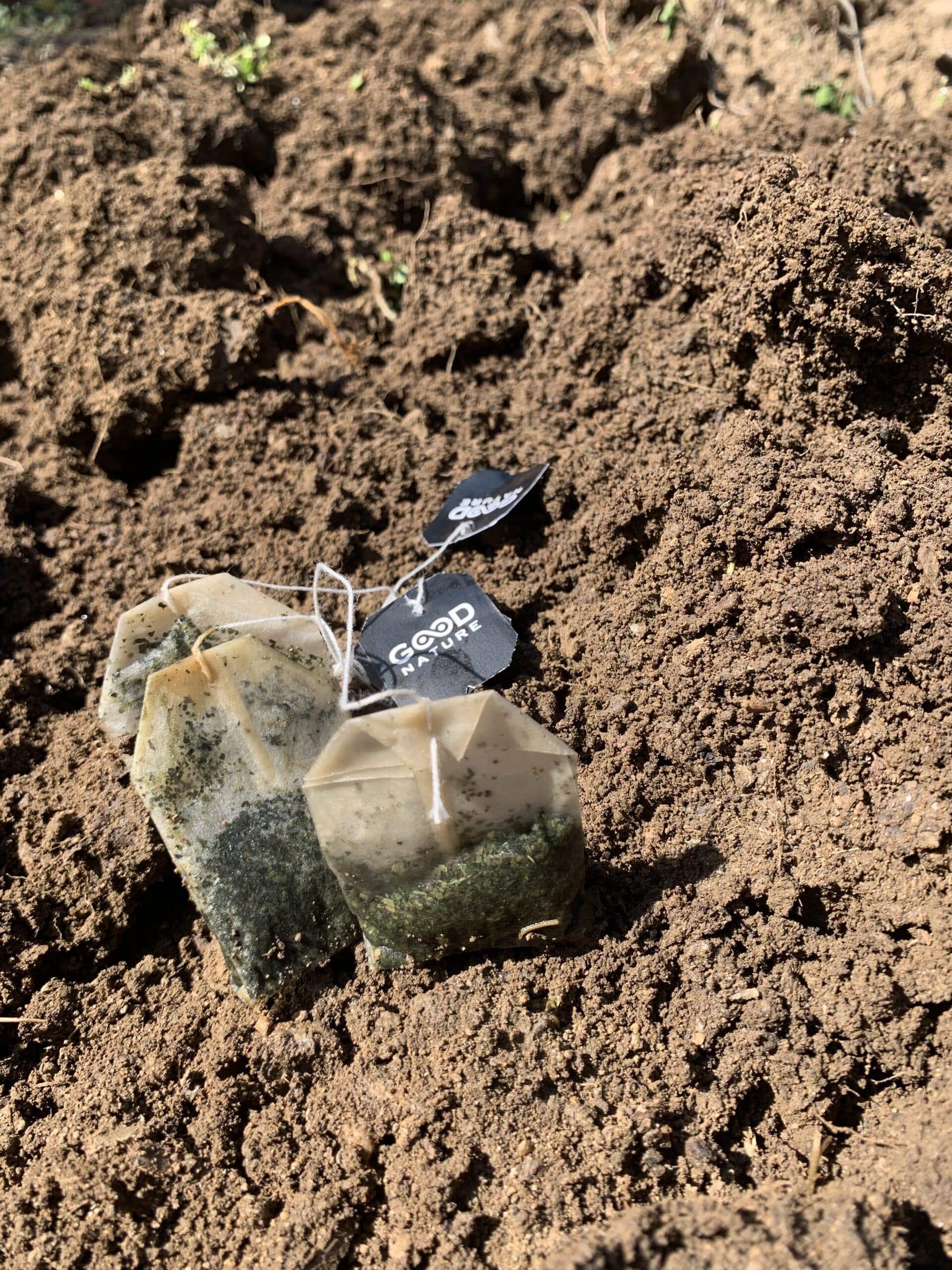
Most of us discard used tea bags without realizing their hidden potential. For gardeners, tea bags are a goldmine of nutrients and benefits that can enhance soil quality, boost plant health, and deter pests.
By planting old tea bags in your garden, you’re not just reducing waste—you’re creating an eco-friendly way to nurture your plants.
Here are 11 reasons why you should start planting your old tea bags in your garden and how to do it effectively.
1. Enriches Soil with Nutrients
Used tea bags are a rich source of nitrogen, one of the essential nutrients plants need for growth. As the tea bag breaks down, it releases organic matter into the soil.
How It Works:
- The tea leaves decompose, enriching the soil with nitrogen and improving its fertility.
- This supports healthy foliage growth for plants like tomatoes, peppers, and leafy greens.
Pro Tip: Ensure the tea bag is biodegradable (like those made from paper or cotton) to avoid plastic residue.
2. Acts as a Natural Compost Starter
Tea bags decompose quickly and can jumpstart your composting process.
How It Works:
- Tea leaves accelerate decomposition by increasing nitrogen levels in the compost pile.
- They help balance carbon-rich materials like dry leaves and cardboard, creating a more efficient compost heap.
Pro Tip: Remove staples and strings from the tea bag before adding it to your compost.
3. Retains Soil Moisture
Tea bags can hold moisture, acting as a natural sponge for your garden soil.
How It Works:
- When planted in the soil, tea bags absorb water and slowly release it, keeping the soil consistently moist.
- This is especially useful for potted plants or areas with dry soil.
Pro Tip: Place tea bags near the roots of water-loving plants like ferns and caladiums.
4. Attracts Earthworms
Earthworms are a gardener’s best friend, and tea bags can attract them to your soil.
How It Works:
- Earthworms are drawn to the organic matter in tea bags.
- As they consume the decomposed material, they aerate the soil and release nutrients that benefit plants.
Pro Tip: Bury tea bags just below the soil surface to encourage earthworms to stay close to plant roots.
5. Reduces Weed Growth
Tea bags can act as a natural weed suppressant when used as mulch.
How It Works:
- Placing tea bags around plants creates a barrier that prevents weeds from sprouting.
- The decomposing bags enrich the soil while reducing weed competition.
Pro Tip: Cover tea bags with a thin layer of soil or mulch to improve their effectiveness and keep your garden tidy.
6. Balances Soil Acidity
Certain plants, like blueberries, azaleas, and hydrangeas, thrive in slightly acidic soil. Tea bags can help adjust the pH level of your garden soil.
How It Works:
- Tea leaves contain tannins, which naturally lower the pH of the soil.
- This makes them ideal for acid-loving plants.
Pro Tip: Test your soil’s pH before planting tea bags to avoid over-acidifying it.
7. Deters Pests
Tea bags can serve as a natural pest deterrent, keeping harmful insects away from your plants.
How It Works:
- The strong scent of tea repels pests like ants, slugs, and mice.
- Placing tea bags near vulnerable plants creates a protective barrier.
Pro Tip: Add a few drops of essential oil (like peppermint or eucalyptus) to the tea bag for enhanced pest control.
8. Promotes Seed Germination
Used tea bags can create a nutrient-rich environment for seeds to sprout.
How It Works:
- The moist tea bag provides a stable growing medium for seedlings.
- Nutrients released from the tea leaves encourage faster germination.
Pro Tip: Cut open a used tea bag and mix its contents with seed-starting soil for optimal results.
9. Neutralizes Foul Odors
If your compost pile or garden bed emits unpleasant smells, tea bags can help.
How It Works:
- The tannins and natural compounds in tea neutralize odors caused by decaying organic matter.
- This makes tea bags an excellent addition to compost piles or smelly areas in your garden.
Pro Tip: Use strongly brewed tea bags for areas with persistent odors.
10. Enhances Flower Blooms
Tea bags can help flowers produce more vibrant blooms by improving soil health and moisture levels.
How It Works:
- Nutrients from tea bags support flowering plants by providing essential growth elements.
- Acid-loving flowers like roses and hibiscus benefit greatly from tea bag-enriched soil.
Pro Tip: Plant tea bags near the base of flowering plants to encourage abundant blooms.
11. Prevents Root Rot
Excessive watering can lead to root rot, but tea bags can help absorb excess moisture.
How It Works:
- Placing tea bags at the bottom of pots creates a layer of drainage, reducing the risk of waterlogged roots.
Pro Tip: Layer tea bags beneath the soil when potting new plants to prevent water retention.
How to Use Tea Bags in Your Garden
- Check for Biodegradability: Use tea bags made of natural materials like paper, silk, or cotton. Avoid synthetic ones, as they won’t decompose.
- Remove Staples and Strings: These materials don’t decompose and can harm your soil.
- Choose the Right Plants: Tea bags work best with acid-loving plants and those that thrive in nutrient-rich soil.
- Bury or Compost: Bury the tea bag directly in the soil or add it to your compost pile.
Your old tea bags are more than just waste—they’re a secret weapon for a thriving garden.
From enriching soil to deterring pests and promoting seed germination, tea bags offer a range of benefits that make them invaluable to any gardener.