When it comes to gardening, not all success comes from store-bought fertilizers or synthetic pest control.
Some of the best-kept gardening secrets are unconventional, often passed down through generations, and involve items you’d never think to use in your garden.
These weird garden remedies might raise a few eyebrows, but many gardeners swear by them for healthier plants, fewer pests, and better yields.
In this guide, you’ll discover 20 strange but shockingly effective gardening hacks that really work — even if they make you look a little crazy to your neighbors.
1. Banana Peels as a Slow-Release Fertilizer
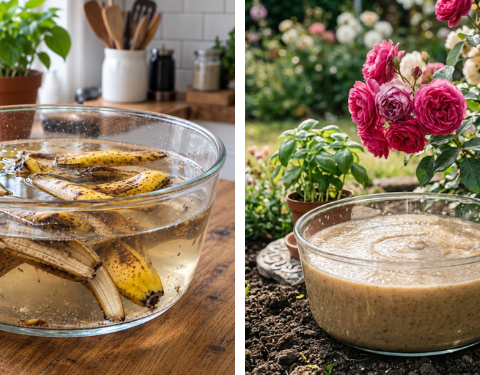
Banana peels are loaded with potassium, calcium, magnesium, and phosphorus — nutrients your plants need, especially during flowering and fruiting.
Instead of tossing them out, chop banana peels into small pieces and bury them a few inches below the soil surface near your plants.
This slow breakdown feeds the soil microbes, nourishes plant roots, and improves soil structure. Roses, tomatoes, and pepper plants respond especially well to this method.
Bonus Tip: Avoid burying large, whole peels. They decompose slower and might attract pests.
2. Aspirin Water to Boost Immunity
Aspirin contains salicylic acid, a plant hormone analog that helps plants respond to stress, pathogens, and drought.
Dissolving a standard 325mg aspirin tablet in one gallon of water and spraying it on your plants every 2-3 weeks can enhance their disease resistance.
This method is particularly useful for tomatoes, peppers, and cucumbers, which are often prone to fungal and bacterial issues.
Scientific Backing: Studies have shown aspirin sprays can increase yields and reduce disease incidence.
3. Milk Spray for Powdery Mildew
Organic gardeners have used milk as a natural fungicide for decades.
When diluted (1 part milk to 2 parts water) and sprayed on affected plants, milk helps control powdery mildew, black spot, and other fungal diseases.
It works through a combination of natural enzymes and the production of free radicals when exposed to sunlight.
Best Use: Apply in the early morning to give it time to dry and reduce the risk of odors or mold.
4. Used Coffee Grounds to Enrich Soil
Rich in nitrogen and with mild acidity, used coffee grounds are an excellent soil amendment for acid-loving plants like azaleas, blueberries, rhododendrons, and hydrangeas.
Spread the grounds directly on the soil surface or mix into compost to improve drainage, texture, and microbial life.
Warning: Don’t apply thick layers directly—coffee grounds can compact and repel water if overused.
5. Crushed Eggshells for Calcium and Slug Control
Eggshells decompose to release calcium, a key nutrient that helps prevent blossom-end rot in tomatoes and peppers.
They also create a rough barrier that deters soft-bodied pests like slugs and snails.
Dry the shells first, then crush them into small pieces and scatter them around the base of your plants.
6. Human or Pet Hair to Repel Wildlife
Hair is rich in nitrogen and can deter animals like deer, rabbits, and squirrels.
Spread clumps of human or pet hair around your garden beds to confuse pests with the scent of a predator.
You can also mix hair into compost as a slow-releasing nitrogen source.
7. Baking Soda to Sweeten Tomatoes
Some gardeners swear that lightly sprinkling baking soda around tomato plants reduces soil acidity and results in sweeter fruit.
This only works in acidic soils, and overuse can harm the soil structure.
Test Your Soil First: If your soil is already neutral or alkaline, skip this remedy.
8. Matchsticks in the Soil for Sulfur Boost
Stick a few matchsticks (head down) into the soil near each plant.
The sulfur and phosphorus in the match heads may help prevent fungal diseases and promote healthy growth.
Use Only: Wooden, non-safety matches without added chemicals.
9. Diapers in Planters for Moisture Retention
Clean, unused diapers contain hydrogels that absorb water and release it slowly.
Placing a diaper in the bottom of a container garden or hanging basket helps keep the soil moist longer — perfect for hot climates or forgetful waterers.
Cover the diaper with a layer of potting soil and plant as usual.
10. Alka-Seltzer as a Pest Trap
Alka-Seltzer in a shallow dish of water attracts gnats, slugs, and certain soil-dwelling pests. The fizzing action and citric acid act as a lure.
Place these traps away from desired plants to monitor pest populations or draw them away from seedlings.
11. Beer Traps for Slugs
Slugs love yeast. A shallow dish filled with beer, sunk into the soil, attracts slugs who fall in and drown.
This remedy is inexpensive and safe for pets and kids (as long as it’s supervised).
Replace beer every few days for best results.
12. Vinegar Spray to Kill Weeds
White vinegar is a potent natural weed killer. A mixture of vinegar, salt, and dish soap can burn weeds down to the roots.
Use a spray bottle and apply directly to weeds on a sunny day.
Caution: Vinegar kills indiscriminately — don’t spray near vegetables or flowers.
13. Cinnamon as a Natural Antifungal
Sprinkle ground cinnamon on seedling soil to prevent damping-off disease, a fungal problem that kills young plants.
Cinnamon also repels ants and can help heal plant wounds.
Dust lightly on the soil surface or on cuttings before planting.
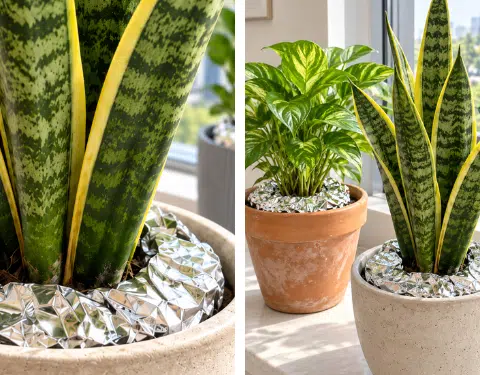
14. Aluminum Foil to Reflect Light and Repel Pests
Line the base of your plants or the soil surface with strips of aluminum foil. The reflective surface deters aphids and whiteflies by confusing them.
It also helps reflect light upward, promoting stronger growth in shaded areas.
Best For: Leafy greens and young vegetable transplants.
15. Bar Soap to Keep Squirrels Away
Strong-scented soaps like Irish Spring can deter squirrels, rabbits, and even deer.
Shave or grate the soap and place the bits in mesh bags or scatter them around the garden perimeter.
The intense smell creates a scent barrier that wildlife avoids.
16. Copper Pennies to Combat Fungus
Copper is a natural fungicide. Burying a few old copper pennies around your plants may help reduce fungal outbreaks in moist environments.
This method is subtle and best used alongside other fungal control strategies.
17. Molasses to Feed Soil Microbes
Unsulphured blackstrap molasses is rich in carbohydrates and trace minerals that feed beneficial soil microbes.
Mix 1 tablespoon in 1 gallon of water and apply to your garden to improve soil health and nutrient uptake.
Frequency: Apply every 2–4 weeks during the growing season.
18. Diluted Urine as a Nitrogen Fertilizer
Urine is high in nitrogen, phosphorus, and potassium — the same components found in commercial fertilizers.
When diluted (10 parts water to 1 part urine), it makes a powerful natural fertilizer.
Apply to the soil around heavy feeders like corn, squash, and leafy greens.
Important: Only use urine from healthy individuals and never apply directly to foliage.
19. Cornmeal to Prevent Fungal Disease
Cornmeal contains beneficial fungi that compete with harmful pathogens like fusarium and damping-off agents.
Sprinkle a thin layer over your seed starting mix or garden beds to support healthy seedling growth.
20. Club Soda as a Mineral Booster
Club soda contains carbon dioxide and trace minerals such as potassium, phosphorus, and sulfur. Occasionally watering your houseplants or garden plants with club soda can offer a mild nutrient boost and stimulate growth.
Avoid sugary sodas — only plain, unflavored club soda works.
While these weird garden remedies might seem unorthodox, many of them have practical benefits backed by science or generations of successful use.
Whether you’re battling pests, boosting blooms, or enriching your soil, there’s a creative natural remedy worth trying.
Start small, observe how your plants respond, and always research your specific plant varieties to ensure compatibility. Sometimes, the strangest tricks lead to the most stunning gardens.