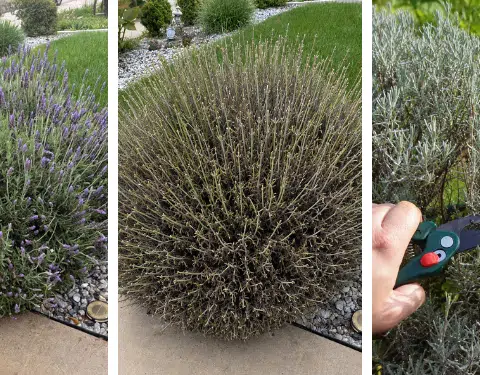
Gardening is a beautiful blend of science, art, and a little bit of trial and error.
Whether you’re growing a vegetable patch, container garden, or a lush flower bed, mistakes are bound to happen—especially if you’re new to the gardening world.
However, even seasoned green thumbs occasionally make choices that can set back plant growth or reduce yields.
To help you get the most from your garden, we’ve compiled a detailed guide to the 14 most common gardening mistakes, why they happen, and how to avoid them.
From watering issues to planting in the wrong place, these tips will help you grow stronger, healthier, and more productive plants.
1. Overwatering or Underwatering Plants
Mistake: Many gardeners assume more water equals better growth. On the flip side, some forget to water altogether.
Why it matters: Overwatering can suffocate roots and lead to fungal diseases like root rot. Underwatering stresses plants, leading to wilting, yellowing leaves, and stunted growth.
How to avoid it:
-
Check the top 1–2 inches of soil—if it’s dry, it’s time to water.
-
Learn the specific needs of each plant. Succulents need infrequent watering, while leafy greens may need consistent moisture.
-
Water early in the morning for better absorption and to reduce evaporation.
2. Poor Soil Preparation
Mistake: Planting directly in soil that’s compacted, depleted, or unsuitable for the chosen plants.
Why it matters: Soil health is the foundation of a thriving garden. Poor soil reduces nutrient availability, prevents proper root development, and can retain too much or too little moisture.
How to avoid it:
-
Test your soil’s pH and nutrient levels before planting.
-
Improve texture and fertility by mixing in organic matter such as compost, aged manure, or leaf mold.
-
Use raised beds if your native soil is poor or contaminated.
3. Planting Too Close Together
Mistake: Overcrowding plants because they look small when young or to save space.
Why it matters: Crowded plants compete for light, water, and nutrients. They also restrict airflow, increasing the risk of disease and pest infestations.
How to avoid it:
-
Always follow spacing instructions on seed packets or plant tags.
-
Think about mature plant size, not just seedling size.
-
Consider companion planting to maximize space efficiently.
4. Ignoring Sunlight Requirements
Mistake: Planting sun-loving vegetables or flowers in shady areas, or placing shade-tolerant plants in direct sun.
Why it matters: Each plant has different light needs. Insufficient sunlight leads to weak, leggy growth and poor flowering or fruiting.
How to avoid it:
-
Observe your garden’s sunlight patterns throughout the day.
-
Use full-sun spots for crops like tomatoes, peppers, and zinnias.
-
Grow leafy greens, hostas, and ferns in partial to full shade.
5. Using the Wrong Tools (or Not Maintaining Them)
Mistake: Using dull or inappropriate tools can damage plants and make gardening frustrating.
Why it matters: Clean, sharp tools make cleaner cuts, reduce the spread of disease, and save you time and effort.
How to avoid it:
-
Invest in basic, high-quality tools: trowel, pruners, garden gloves, weeder, and a watering can or hose.
-
Clean tools regularly and sharpen blades at least once a season.
-
Store tools in a dry place to prevent rust.
6. Letting Weeds Take Over
Mistake: Not weeding regularly or letting weeds go to seed.
Why it matters: Weeds steal nutrients, space, and water from your plants. They can also harbor pests and diseases.
How to avoid it:
-
Mulch with wood chips, straw, or compost to suppress weed growth.
-
Hand-weed or hoe once a week to prevent weed establishment.
-
Never compost weeds with seeds or invasive roots.
7. Planting at the Wrong Time
Mistake: Starting seeds or transplanting too early in spring or too late in the growing season.
Why it matters: Young plants are vulnerable to frost, cold snaps, and extreme heat, which can stunt or kill them.
How to avoid it:
-
Know your USDA hardiness zone and local last/first frost dates.
-
Use seed starting charts to determine optimal planting times.
-
Protect early transplants with row covers, cold frames, or cloches.
8. Not Practicing Crop Rotation
Mistake: Planting the same crops in the same spot year after year.
Why it matters: This depletes the soil of specific nutrients and increases the chance of soil-borne diseases and pests targeting the same plant families.
How to avoid it:
-
Rotate plant families (e.g., nightshades, legumes, brassicas) on a 2–3 year cycle.
-
Maintain a garden journal to track what was planted where each season.
9. Over-Fertilizing or Using the Wrong Fertilizer
Mistake: Assuming more fertilizer will make plants grow faster or bigger.
Why it matters: Over-fertilization can burn roots, promote excessive foliage, and reduce flowering or fruiting.
How to avoid it:
-
Use a balanced, slow-release fertilizer or organic compost.
-
Read labels and follow recommended dosages.
-
Avoid chemical fertilizers unless you’ve tested the soil and know what’s missing.
10. Skipping Pruning and Deadheading
Mistake: Not trimming back overgrown or spent plants.
Why it matters: Dead or diseased growth can inhibit airflow, promote rot, and attract pests. Removing spent blooms encourages more flowering.
How to avoid it:
-
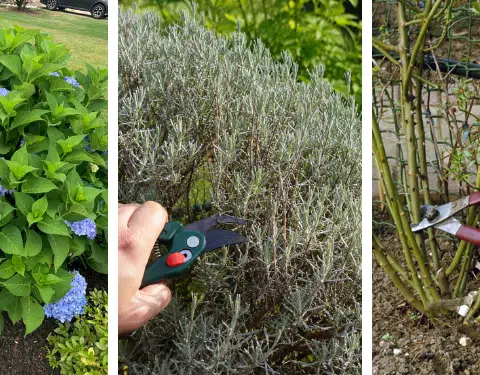
Prune to shape, remove dead material, and improve airflow.
-
Regularly deadhead flowering plants to prolong the blooming season.
11. Ignoring Pest and Disease Signs
Mistake: Waiting too long to act after spotting signs of pests or disease.
Why it matters: Early intervention is key. Infestations can spread rapidly and devastate your garden if left unchecked.
How to avoid it:
-
Inspect your plants regularly for holes, spots, wilting, or bugs.
-
Use organic pest control like neem oil, insecticidal soap, or companion planting.
-
Encourage beneficial insects like ladybugs and lacewings.
12. Planting Invasive Species
Mistake: Introducing plants that spread aggressively without realizing they’re invasive.
Why it matters: Invasive plants can take over your garden and disrupt local ecosystems.
How to avoid it:
-
Research plants before purchasing, especially ground covers and fast-growing perennials.
-
Opt for native or well-behaved non-native plants suited to your region.
13. Using Pots Without Drainage
Mistake: Growing container plants in pots without drainage holes.
Why it matters: Poor drainage leads to root rot, which can quickly kill your plant.
How to avoid it:
-
Always use containers with proper drainage.
-
Add gravel at the bottom of pots and use well-draining potting mix.
-
Avoid letting pots sit in standing water.
14. Lack of Planning
Mistake: Planting on a whim without considering the big picture.
Why it matters: Without planning, you may overcrowd your garden, miss seasonal opportunities, or plant incompatible species together.
How to avoid it:
-
Sketch a garden layout before planting.
-
Plan for companion planting and succession planting to maximize yield.
-
Use vertical space for vining crops or flowers.
Gardening is a lifelong learning experience, and mistakes are part of the journey.
But by avoiding these 14 common gardening errors, you’ll save time, money, and frustration—and enjoy a more beautiful, productive, and thriving garden.
Whether you’re a beginner gardener or a seasoned grower, staying mindful of these issues will help you get the most out of every growing season.
The more time you spend with your plants, the better you’ll understand their needs—and the more rewarding your garden will be.