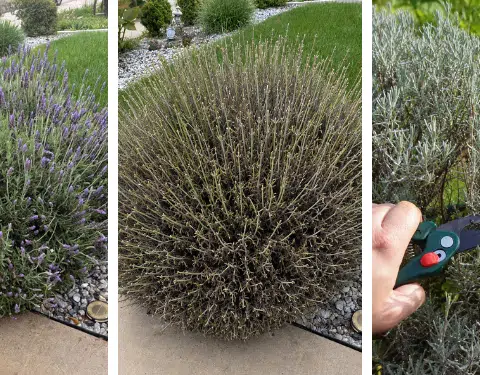
A beautiful flower bed can transform any outdoor space into a vibrant and inviting garden, but you don’t need to spend a fortune to achieve a lush and colorful display.
With strategic planning, creativity, and resourcefulness, you can design and maintain an eye-catching flower bed while keeping costs low.
This guide will provide practical budget-friendly tips and tricks to help you build and maintain a stunning flower bed without overspending.
1. Plan and Design Before You Start
Before you break ground, take some time to sketch out a design for your flower bed. Planning ahead prevents unnecessary expenses and ensures you only buy what you truly need.
Key Considerations:
- Sunlight exposure: Choose plants suited to the amount of sunlight your garden receives.
- Soil quality: Test your soil to determine what nutrients or amendments may be needed.
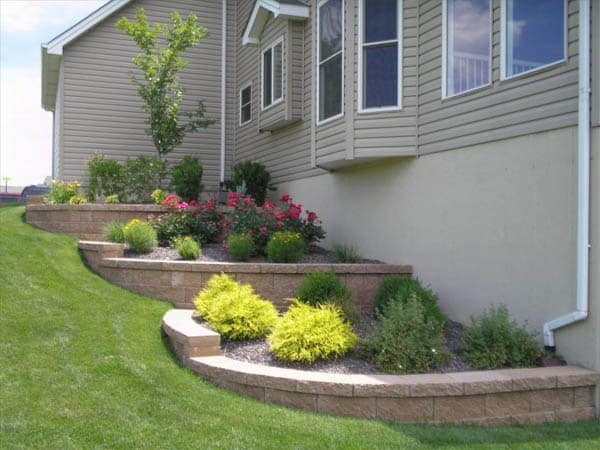
- Plant placement: Arrange taller plants at the back and shorter ones in front for a layered effect.
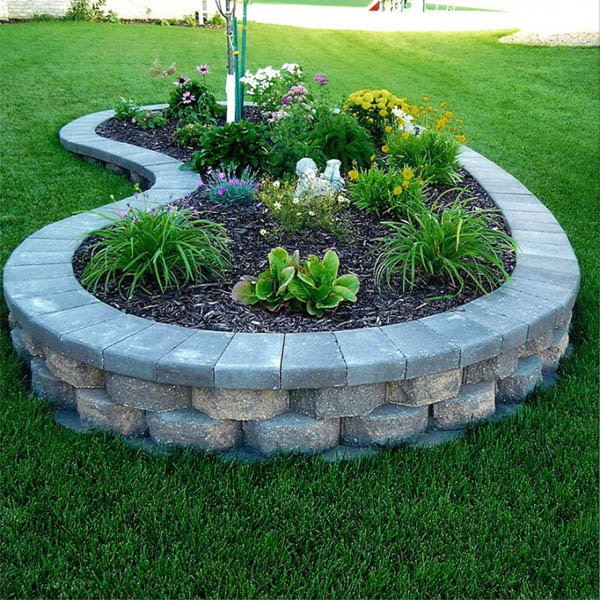
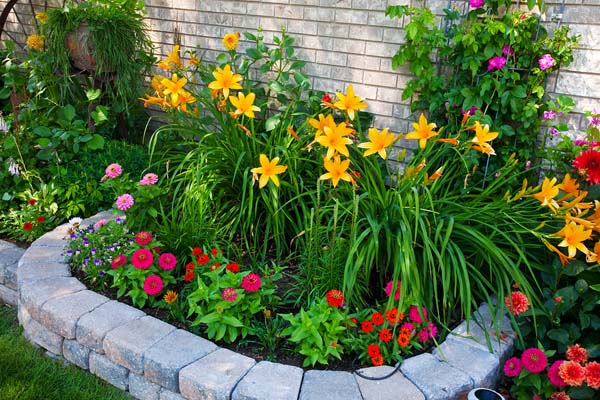
- Shape and size: A defined shape (curved, oval, rectangular) can enhance visual appeal.
By mapping out a well-thought-out layout, you’ll save time and money while creating a cohesive and balanced garden bed.
2. Choose Budget-Friendly Materials
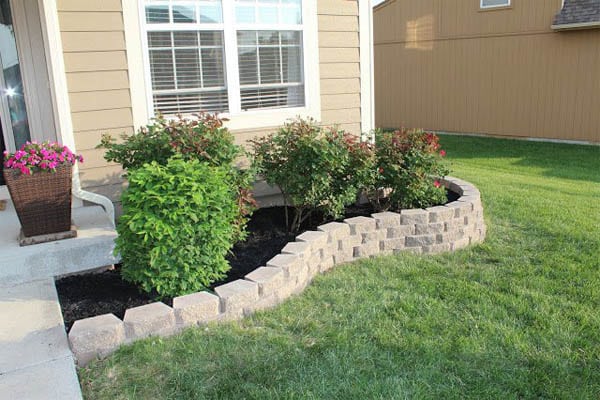
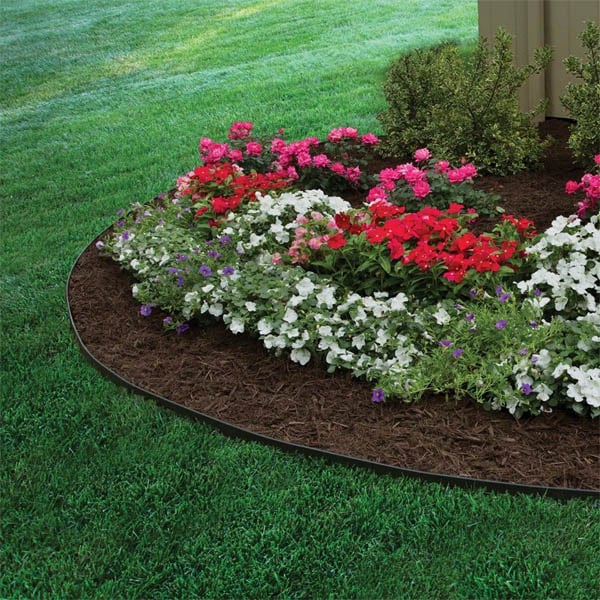
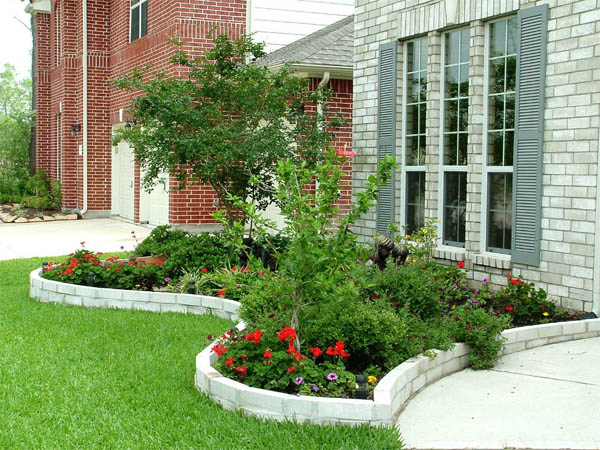
Garden edging and borders can enhance the appearance of your flower bed while keeping it organized and structured. Instead of buying expensive materials, opt for cost-effective alternatives:
Affordable Edging Ideas:
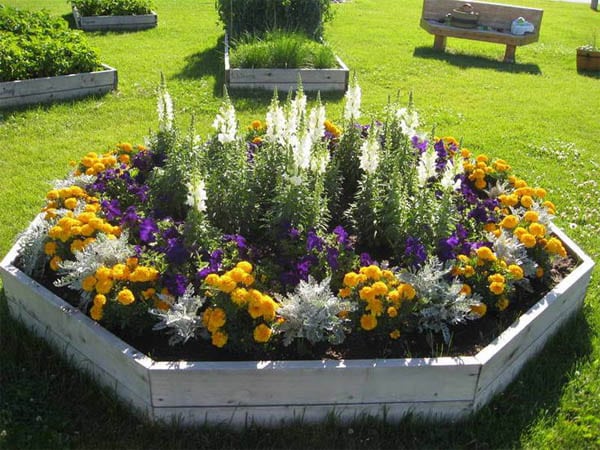
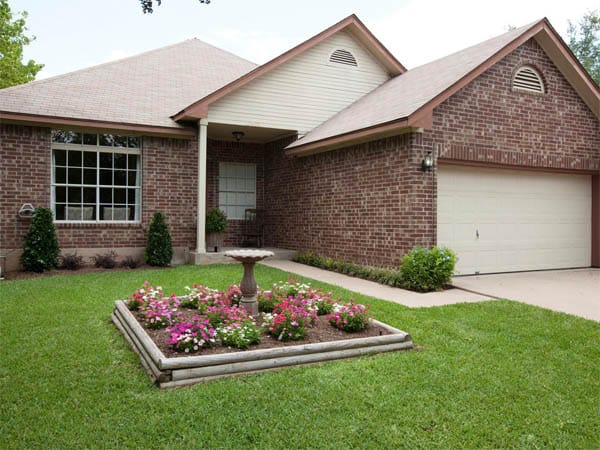
- Recycled pallets – Disassemble old pallets to create a rustic wooden border.
- Logs and branches – Natural logs add a charming, woodland feel.
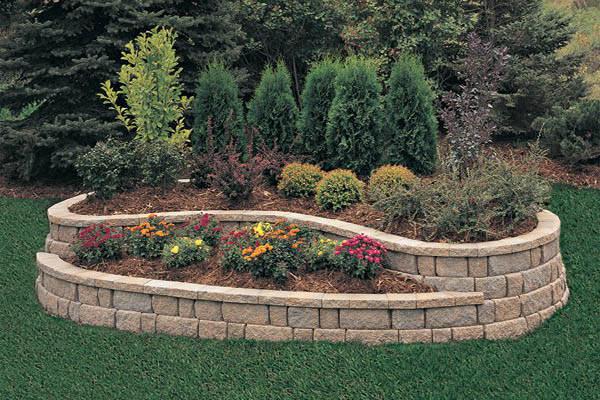
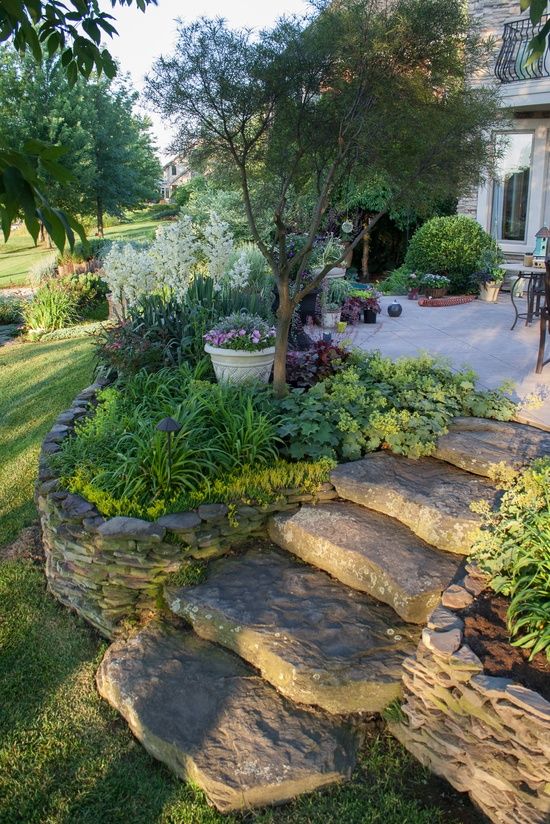
- Stone and brick remnants – Check local construction sites for free leftover materials.
- Wine bottles or upcycled containers – A creative and artistic option for edging.
Using repurposed materials not only reduces costs but also adds unique character to your flower bed.
3. Make Your Own Compost and Mulch
Soil quality is essential for a thriving flower bed, but buying compost and mulch can be expensive. A simple, cost-effective solution is to make your own:
DIY Compost:
- Collect kitchen scraps (vegetable peels, eggshells, coffee grounds).
- Use yard waste (grass clippings, dried leaves) to create a balanced compost mix.
- Turn the compost pile regularly to speed up decomposition.
Affordable Mulch Alternatives:
- Shredded leaves – Free and effective at retaining moisture.
- Grass clippings – Provides nutrients as it breaks down.
- Wood chips from municipal sources – Many cities offer free mulch from tree trimmings.
Homemade compost improves soil fertility, while mulch helps retain moisture and reduces weed growth, saving you money on fertilizers and weed control.
4. Start from Seeds Instead of Buying Mature Plants
One of the biggest gardening expenses is purchasing mature plants. Instead, start from seeds—it’s cheaper and allows you to grow a greater variety of flowers.
Best Flowers to Grow from Seeds:
- Marigolds
- Zinnias
- Sunflowers
- Poppies
- Cosmos
Starting plants indoors in small containers before transplanting them outdoors ensures a successful and cost-effective bloom.
5. Grow Perennials and Self-Seeding Plants
Instead of buying new flowers every season, choose perennials that return year after year.
Low-Maintenance Perennials:
- Coneflowers
- Black-eyed Susans
- Lavender
- Hostas
- Daylilies
Additionally, self-seeding plants like poppies, hollyhocks, and alyssum will spread naturally, filling your flower bed without extra cost.
6. Buy Plants on Sale and at Local Swaps
Garden centers often offer discounts on plants that may look a little past their peak but are still healthy and salvageable.
Where to Find Affordable Plants:
✔ End-of-season sales at nurseries
✔ Garden swaps – Exchange plants with fellow gardeners.
✔ Online gardening groups – Many communities offer plant giveaways or trades.
✔ Discount racks at home improvement stores
Buying discounted plants or trading with fellow gardeners can significantly reduce your gardening expenses.
7. Divide and Propagate Existing Plants
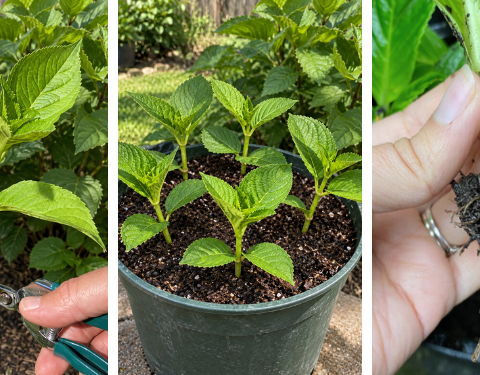
If you already have established perennials, you can divide and replant them to expand your flower bed for free.
Best Plants to Divide:
- Hostas
- Daylilies
- Irises
- Sedum
- Ornamental grasses
Ask friends, neighbors, or family members if they have extra plants to share—many gardeners are happy to swap or donate divisions.
8. Utilize Free and Low-Cost Community Resources
Many cities and towns offer free gardening materials, so take advantage of local resources.
Where to Find Free Supplies:
- Municipal compost sites – Free soil amendments.
- Tree trimming services – Some offer free wood chips for mulch.
- Local community gardens – May provide free seeds or starter plants.
- Construction sites – Ask for leftover stones or bricks.
Utilizing these free or inexpensive resources can help stretch your gardening budget while reducing waste.
9. DIY Garden Accents and Decor
Enhance your flower bed with homemade garden decorations instead of buying expensive store-bought items.
DIY Ideas:
- Hand-painted garden markers using stones or scrap wood.
- Upcycled containers for unique planters.
- Repurposed furniture (old chairs, tires, or wheelbarrows) as decorative flower displays.
- Homemade trellises made from bamboo, branches, or scrap wire.
These personalized accents will make your garden more visually appealing without breaking the bank.
10. Maintain Your Garden Regularly to Save Money
A well-maintained garden reduces the need for costly repairs and replacement plants.
Simple Maintenance Tips:
✔ Weed regularly to prevent competition for nutrients.
✔ Deadhead flowers to encourage continuous blooming.
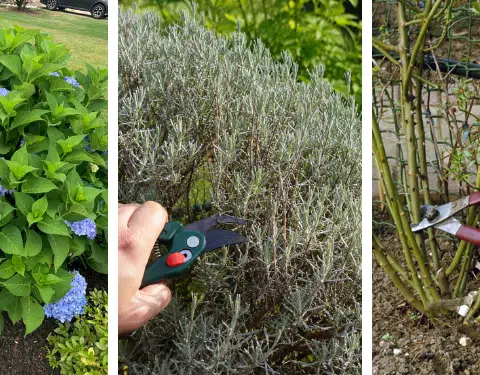
✔ Prune and trim to keep plants healthy and manageable.
✔ Water deeply and efficiently to avoid overwatering.
By keeping up with regular maintenance, you prolong the life of your plants, preventing unnecessary extra costs.
Enjoy and have fun with these amazing flower bed ideas!
Building a stunning flower bed does not require a large investment—it only takes creativity, planning, and resourcefulness.