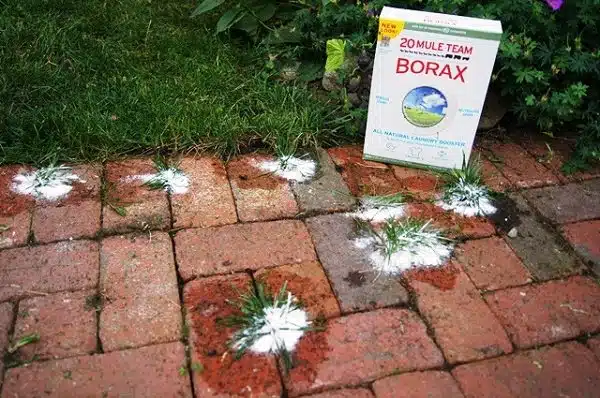
Borax, also known as sodium borate, is a naturally occurring mineral with a wide range of applications in the home and garden.
While many gardeners rely on fertilizers and pesticides, borax is an underrated yet powerful tool that can help enhance soil health, control pests, and promote plant growth.
If you’re looking for eco-friendly and cost-effective gardening solutions, here are 11 incredible uses for borax in the garden that will help you maintain a thriving outdoor space.
1. Boosts Tomato & Fruit Yield with Essential Boron
Many plants, including tomatoes, apples, and strawberries, require boron for proper growth and fruit development.
A boron deficiency can lead to:
- Poor fruit development
- Hollow stems
- Weak cell walls
- Yellowing leaves
How to Use Borax for Boron Deficiency
- Mix 1 tablespoon of borax with 1 gallon of water.
- Spray the solution around the base of fruiting plants once per season (avoid overuse).
Tip: Avoid spraying directly on leaves, as excess boron can be toxic to plants.
2. Eliminates Ants & Garden Pests
Ants, aphids, and other garden pests can wreak havoc on your plants. Borax is a natural insecticide that can eliminate ants and pests without harming beneficial insects like bees.
How to Make a DIY Borax Ant Killer
- Mix 1/2 cup of sugar, 1.5 tablespoons of borax, and 1 cup of warm water.
- Soak cotton balls in the solution and place them near ant trails or nests.
- The ants will carry the mixture back to their colony, eliminating the problem at its source.
Tip: This method is safe for gardens, but keep borax away from pets and children.
3. Weed Killer for Driveways & Walkways
Borax acts as a natural herbicide to kill unwanted weeds in areas where you don’t want plant growth, such as:
- Gravel driveways
- Sidewalk cracks
- Patios and walkways
How to Use Borax as a Weed Killer
- Dissolve 10 ounces of borax in 2.5 gallons of water.
- Pour the solution directly onto weeds, avoiding desired plants.
Tip: Borax is non-selective, meaning it kills all plants it touches—so use carefully!
4. Protects Fruit Trees from Fungal Diseases
Borax has anti-fungal properties that help prevent rot and mold on fruit trees like:
- Apples
- Peaches
- Cherries
How to Use Borax to Prevent Fungal Growth
- Mix 1 tablespoon of borax with 1 gallon of water.
- Spray the base of trees and surrounding soil once per year to inhibit fungal spores.
Tip: Do not overapply, as too much boron can harm tree roots.
5. Enriches Soil for Better Crop Growth
Certain soils lack boron, which is essential for plant growth.
Signs of boron deficiency include:
- Stunted plant growth
- Brittle stems
- Poor root development
How to Improve Soil with Borax
- Mix 1 tablespoon of borax per 5 gallons of compost.
- Incorporate the boron-enriched compost into your garden soil.
Tip: Only apply borax once per growing season, as excessive use can harm plants.
6. Repels Garden Mice & Rodents
Borax is an effective rodent deterrent because it irritates mice and rats’ digestive systems.
How to Use Borax to Keep Rodents Away
- Sprinkle borax around garden borders, near plant roots, or near rodent entry points.
- Reapply after heavy rain for continued effectiveness.
Tip: This is not toxic to larger animals but should be used with caution around pets.
7. Cleans & Disinfects Garden Tools
Dirty gardening tools can spread diseases and pests between plants. Borax is a natural disinfectant that keeps your tools clean and prevents cross-contamination.
How to Disinfect Gardening Tools
- Mix 1 gallon of warm water with ½ cup of borax.
- Soak tools for 30 minutes, then rinse and dry.
Tip: Regularly clean pruning shears and trowels to prevent plant infections.
8. Enhances Compost Breakdown
Borax accelerates compost decomposition, helping to break down organic materials faster.
How to Use Borax in Compost
- Add 1 tablespoon of borax per cubic foot of compost.
- Mix well to improve microbial activity.
Tip: Borax prevents odors in compost piles while promoting nutrient release.
9. Controls Powdery Mildew on Plants
Powdery mildew is a common fungal disease that affects many garden plants like:
- Cucumbers
- Zucchini
- Squash
How to Treat Powdery Mildew with Borax
- Mix 1 tablespoon of borax, 1 tablespoon of baking soda, and 1 gallon of water.
- Spray affected plants every two weeks until mildew disappears.
Tip: Spray in the morning to allow leaves to dry before nighttime.
10. Prevents Slugs & Snails from Eating Plants
Slugs and snails destroy leafy plants, but borax is a natural deterrent.
How to Use Borax to Repel Slugs & Snails
- Sprinkle a thin layer of borax around the base of plants.
- Avoid direct contact with leaves to prevent damage.
Tip: Reapply borax after rain for continued protection.
11. Kills Garden Fleas & Other Insects
Borax is a natural flea and insect killer, making it a great organic pest control solution.
How to Use Borax for Flea & Insect Control
- Sprinkle borax lightly over garden soil or patio cracks where fleas hide.
- Leave for 24 hours, then rinse away.
Tip: This method is safe for outdoor use, but avoid direct contact with plants.
Precautions When Using Borax in the Garden
While borax is beneficial, it must be used carefully:
- Avoid overuse, as excess boron can harm plants.
- Keep away from pets & children, as ingestion can be harmful.
- Do not apply near water sources, as it can affect aquatic life.
- Test soil before applying borax to check boron levels.
By incorporating borax wisely, you can maintain a healthy, vibrant, and pest-free garden while using a safe, eco-friendly approach!