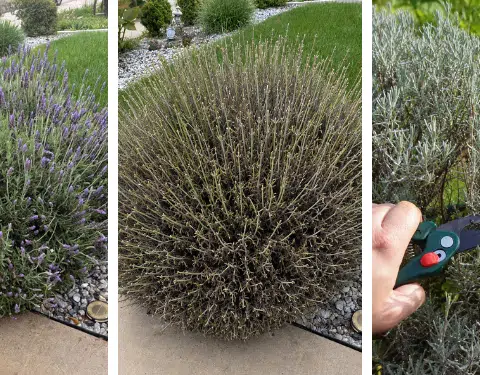
Vinegar is more than just a kitchen staple—it’s a powerful natural solution for keeping your garden healthy, pest-free, and thriving!
This inexpensive and eco-friendly ingredient can clean, fertilize, and even repel unwanted garden invaders.
Here are 11 powerful ways you can use vinegar in your garden to make your life easier while saving money on store-bought chemicals!
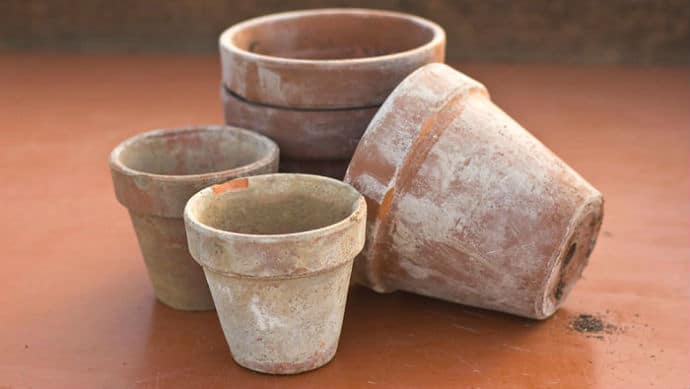
1. Restore Clay Pots to Their Original Beauty
Clay pots are a favorite among gardeners because they help regulate soil moisture, prevent root rot, and keep plants cool in summer.
However, over time, they absorb salts, minerals, and calcium deposits, leaving behind an unattractive white residue.
How to Clean Clay Pots with Vinegar:
- Fill a large container with a mixture of one part vinegar and three parts water.
- Soak the pots for 30 minutes to dissolve mineral deposits.
- Scrub off any remaining residue with a brush, rinse, and let dry.
Tip: For stubborn stains, use full-strength vinegar and scrub with a stiff brush.
2. Kill Weeds on Walkways & Garden Walls
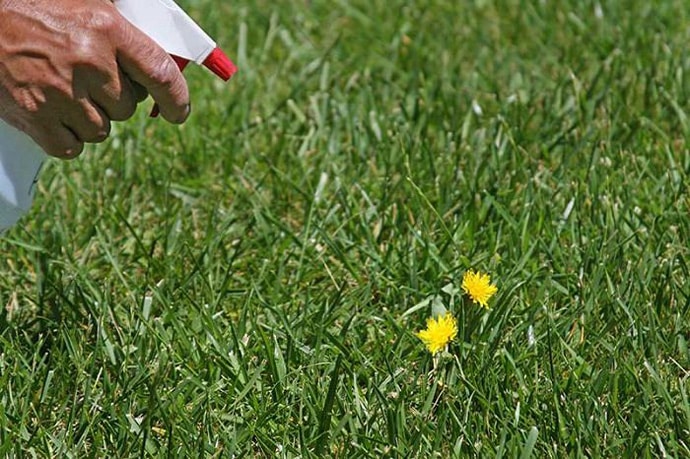
Vinegar is a natural herbicide that effectively kills weeds growing in cracks, walkways, or garden walls—without using harmful chemicals!
How to Use Vinegar as a Weed Killer:
- Pour full-strength white vinegar into a spray bottle.
- Spray directly on weeds, focusing on the leaves and stems.
- Avoid spraying on nearby plants, as vinegar can kill them too!
Tip: For tough weeds, mix vinegar with salt and a few drops of dish soap to enhance effectiveness.
3. Get Rid of Ants with a Natural Vinegar Spray
Ants can be a huge problem in gardens, but vinegar disrupts their scent trails, preventing them from coming back.
How to Make an Ant Repellent:
- Mix equal parts vinegar and water (white or apple cider vinegar).
- Spray directly on ant hills, garden paths, and entry points.
- Repeat daily until ants disappear.
Tip: To prevent ants from entering your home, spray vinegar along windowsills, doors, and baseboards.
4. Keep Unwanted Animals Out of Your Garden
The strong scent of vinegar repels common garden intruders like rabbits, moles, cats, and even dogs.
How to Use Vinegar as an Animal Deterrent:
- Soak old cloths or rags in vinegar.
- Tie them around garden stakes and place them near plant beds or entry points.
- Re-soak the cloths every 6-7 days for continued effectiveness.
Tip: Avoid spraying vinegar directly on plants, as it can harm delicate leaves.

5. Extend the Life of Cut Flowers
Want your fresh-cut flowers to last longer? Vinegar helps keep bacteria at bay, keeping flowers vibrant for days longer.
How to Make a Flower Preservative:
- Mix 2 tablespoons of vinegar and 1 teaspoon of sugar per liter of water.
- Pour into a vase and place fresh-cut flowers inside.
- Change the mixture every 2-3 days to keep flowers fresh.
Tip: Adding sugar feeds the flowers, while vinegar prevents bacteria buildup.
6. Make a DIY Vinegar Insect Spray
Vinegar is an effective organic insecticide that helps keep aphids, caterpillars, and mealybugs away.
How to Make Vinegar Bug Spray:
- Mix three parts water to one part vinegar.
- Add one teaspoon of dish soap (to help the solution stick).
- Spray directly onto affected plants, avoiding delicate flowers.
Tip: Test on a small area of the plant before full application to ensure no damage.
7. Trap & Eliminate Pesky Fruit Flies
Fruit flies can be a nightmare in orchards and gardens, but vinegar is an easy way to lure and trap them.
How to Make a Fruit Fly Trap:
- 1 cup water
- ½ cup apple cider vinegar
- ¼ cup sugar
- 1 tablespoon molasses
- Pour into a shallow dish or hang in a small container near fruit trees.
Tip: Refresh the mixture every few days to keep the trap working.
8. Boost Growth in Acid-Loving Plants
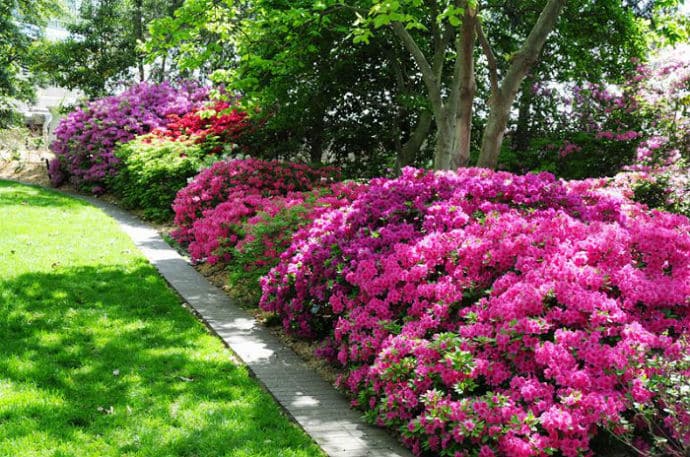
Certain plants thrive in acidic soil, and vinegar can help maintain optimal pH levels for them.
Best Plants for Vinegar Treatment:
- Gardenias
- Rhododendrons
- Azaleas
- Blueberries
How to Use Vinegar for Acid-Loving Plants:
- Mix one cup of white vinegar per gallon of water.
- Water around the base of the plants once a month.
Tip: Overuse can lower soil pH too much, so apply sparingly!
9. Remove Rust from Garden Tools & Accessories
Rusty garden tools can be dangerous and inefficient, but vinegar dissolves rust quickly.
How to Clean Rusty Tools:
- Soak tools in undiluted vinegar for 30 minutes to an hour.
- Scrub with a brush or steel wool.
- Rinse and dry completely to prevent future rusting.
Tip: Use this method to clean birdbaths and metal garden stakes too!
10. Naturally Get Rid of Slugs & Snails
Slugs and snails can devour plants overnight, but vinegar acts as a natural deterrent.
How to Use Vinegar Against Slugs:
- Spray full-strength white vinegar directly on slugs and snails.
- For prevention, spray diluted vinegar around garden beds.
Tip: Avoid spraying directly on plants, as vinegar can burn leaves.
11. Fight Fungus & Mold with Vinegar
Vinegar is highly effective against mildew, mold, and fungal infections on plants.
DIY Vinegar Fungicide Recipe:
- Brew chamomile tea and let it cool.
- Add 2 teaspoons of vinegar per liter of tea.
- Spray directly onto affected leaves.
Tip: Apply in the early morning or late evening to avoid sun damage.
Vinegar is an inexpensive, chemical-free, and eco-friendly way to tackle common garden problems.
From cleaning pots to repelling pests and nourishing plants, it’s a must-have for every gardener.