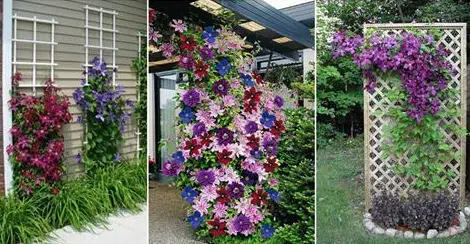
Clematis, often referred to as the “Queen of Climbers,” is a versatile and stunning vine that can transform any garden with its vibrant flowers and lush foliage. Whether you’re a seasoned gardener or a novice, growing clematis can be a rewarding experience.
With a little care and the right techniques, you can enjoy a spectacular display of blooms that will beautify your outdoor space.
Here are some awesome tips for growing clematis to enhance your garden’s appeal.
1. Choose the Right Variety
Understanding Clematis Types
Clematis comes in various types, each with its own blooming period, flower shape, and growth habit. Selecting the right variety is crucial for achieving the desired effect in your garden.
Popular Varieties:
- Early Bloomers: Clematis montana, Clematis alpina
- Midseason Bloomers: Clematis ‘Nelly Moser’, Clematis ‘The President’
- Late Bloomers: Clematis viticella, Clematis ‘Jackmanii’
Tips:
- Consider Bloom Time: Choose varieties that bloom at different times to ensure continuous color.
- Match Growth Habit: Select clematis types that suit your garden’s structure, whether it’s a trellis, wall, or arbor.
2. Select the Perfect Planting Site
Optimal Conditions
Clematis thrives in well-drained soil with plenty of sunlight. The general rule is “head in the sun, feet in the shade,” meaning the plant’s base should be cool and shaded, while the upper part should receive ample sunlight.
Tips:
- Sunlight: Ensure at least 6 hours of sunlight per day for optimal growth and blooming.
- Soil: Choose a location with well-drained soil. If your soil is heavy clay, consider amending it with compost or organic matter.
3. Proper Planting Technique
Steps for Planting Clematis
Correct planting is essential for establishing a healthy clematis vine.
Steps:
- Dig a Hole: Dig a hole twice as wide and deep as the plant’s root ball.
- Amend the Soil: Mix compost into the excavated soil to improve drainage and fertility.
- Plant Deep: Plant the clematis deeper than it was in the pot, covering the first set of leaves with soil to encourage strong root growth.
- Support: Install a trellis or support structure at planting time to guide the vine as it grows.
Tips:
- Water Well: Water the newly planted clematis thoroughly to settle the soil and eliminate air pockets.
- Mulch: Apply a layer of mulch around the base to retain moisture and keep the roots cool.
4. Watering and Feeding
Consistent Care
Clematis requires consistent moisture and nutrients to thrive.
Tips:
- Watering: Water regularly, especially during dry spells, ensuring the soil remains evenly moist but not waterlogged.
- Feeding: Feed clematis with a balanced, slow-release fertilizer in spring and again in mid-summer. Avoid high-nitrogen fertilizers that encourage foliage over flowers.
5. Pruning for Success
Pruning Groups
Clematis pruning is categorized into three groups based on their blooming times. Knowing your clematis’s pruning group is key to promoting vigorous growth and abundant blooms.
Pruning Groups:
- Group 1: Early bloomers on old wood. Prune lightly after flowering.
- Group 2: Large-flowered hybrids that bloom on old and new wood. Prune lightly in early spring and after the first flush of flowers.
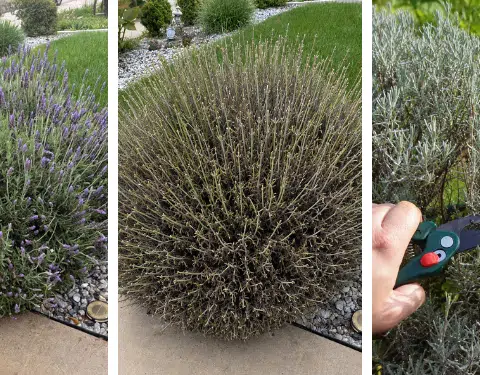
- Group 3: Late bloomers on new wood. Prune hard in late winter or early spring, cutting back to about 12 inches above the ground.
Tips:
- Clean Tools: Always use clean, sharp pruning tools to prevent disease spread.
- Remove Deadwood: Regularly remove dead or weak stems to encourage healthy growth.
6. Protect from Pests and Diseases
Common Issues
While clematis is relatively hardy, it can fall victim to pests and diseases.
Tips:
- Watch for Pests: Keep an eye out for aphids, spider mites, and slugs. Treat infestations promptly with insecticidal soap or organic methods.
- Prevent Disease: Ensure good air circulation around the plant and avoid overhead watering to prevent fungal diseases like powdery mildew and wilt.
7. Seasonal Care
Year-Round Attention
Clematis needs care throughout the year to maintain its health and beauty.
Tips:
- Spring: Apply mulch and start feeding as new growth appears.
- Summer: Deadhead spent blooms to encourage further flowering and maintain regular watering.
- Fall: Clean up fallen leaves and debris around the plant base to prevent overwintering pests.
- Winter: Protect the base of the plant with mulch or a cover in colder climates.
Outdoor Decor Ideas With Clematis
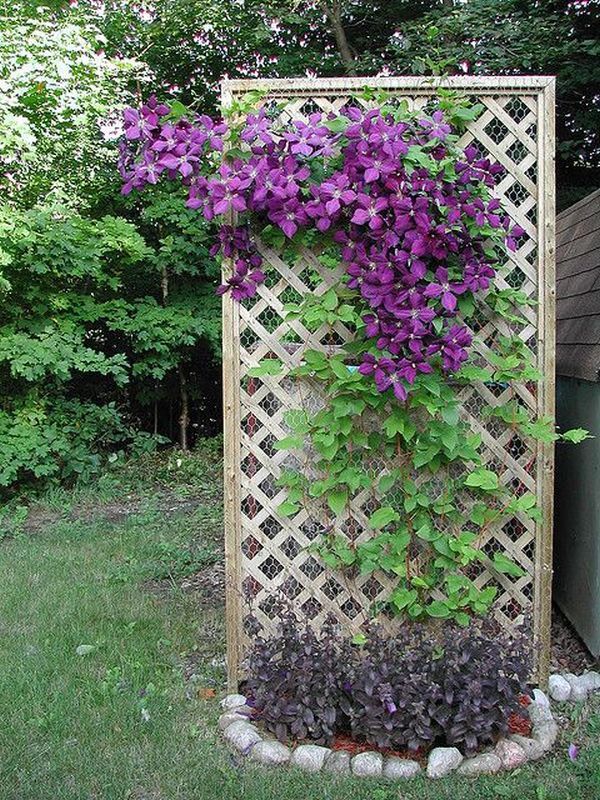
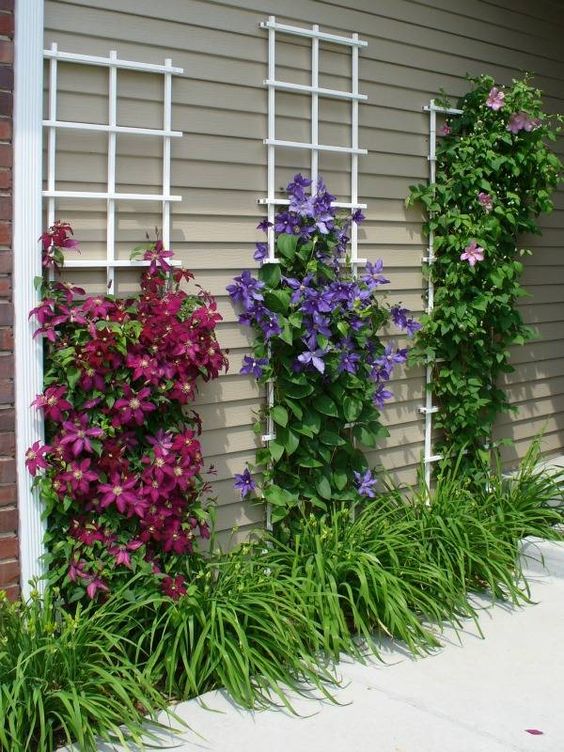
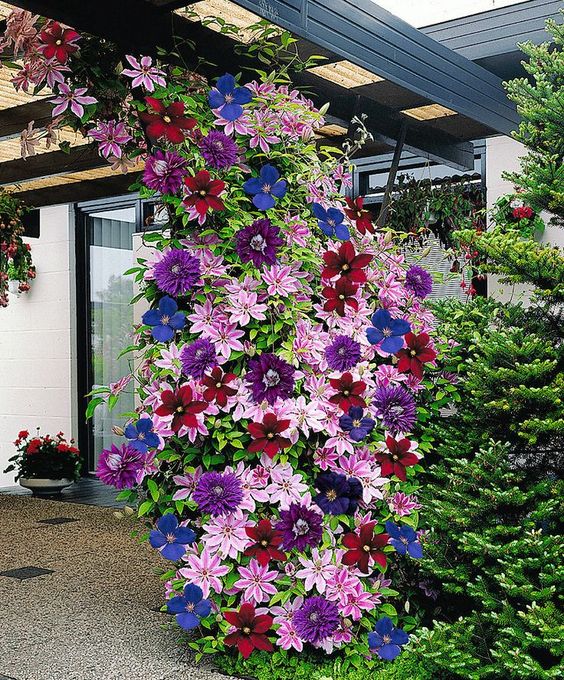
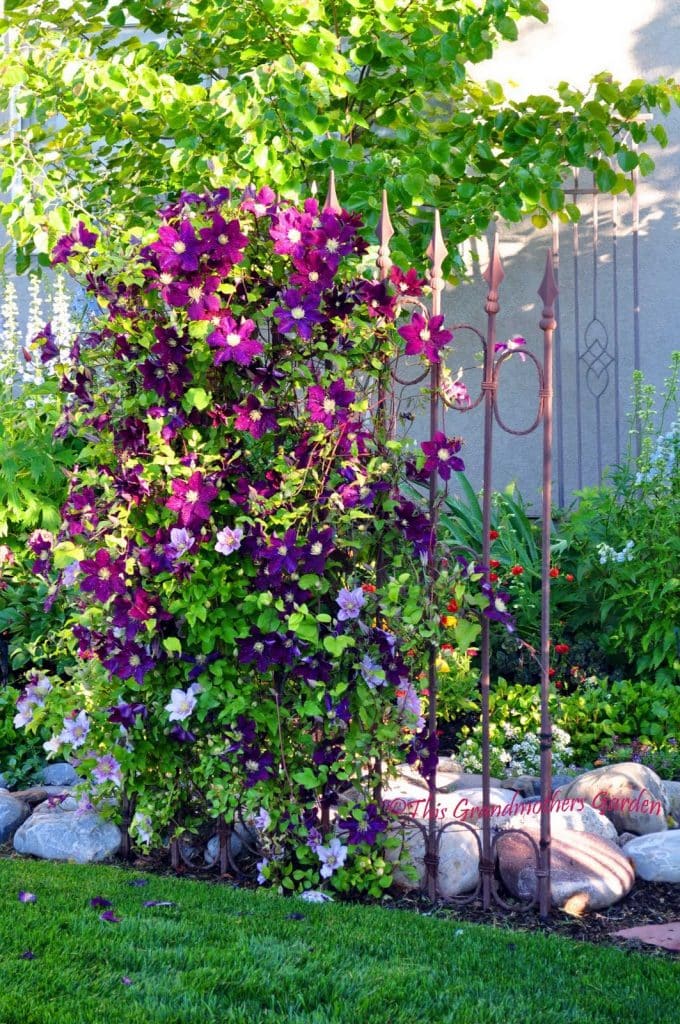
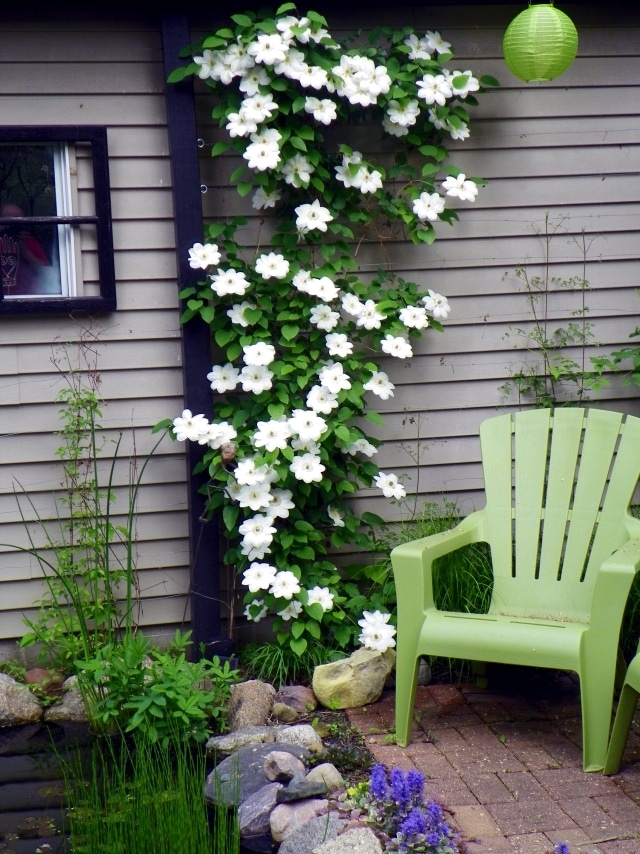
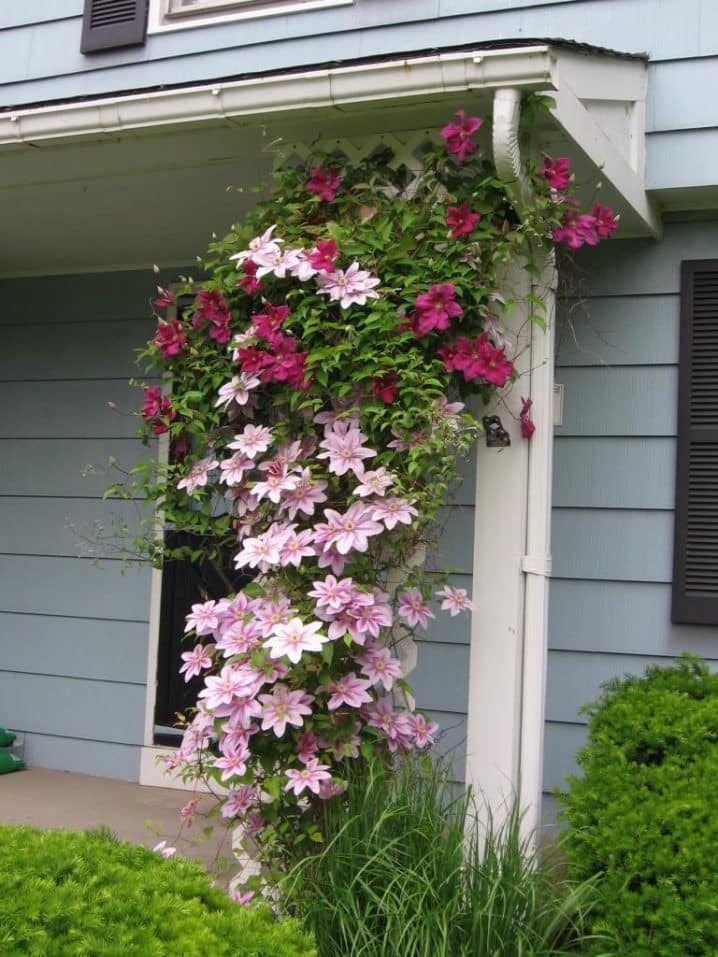
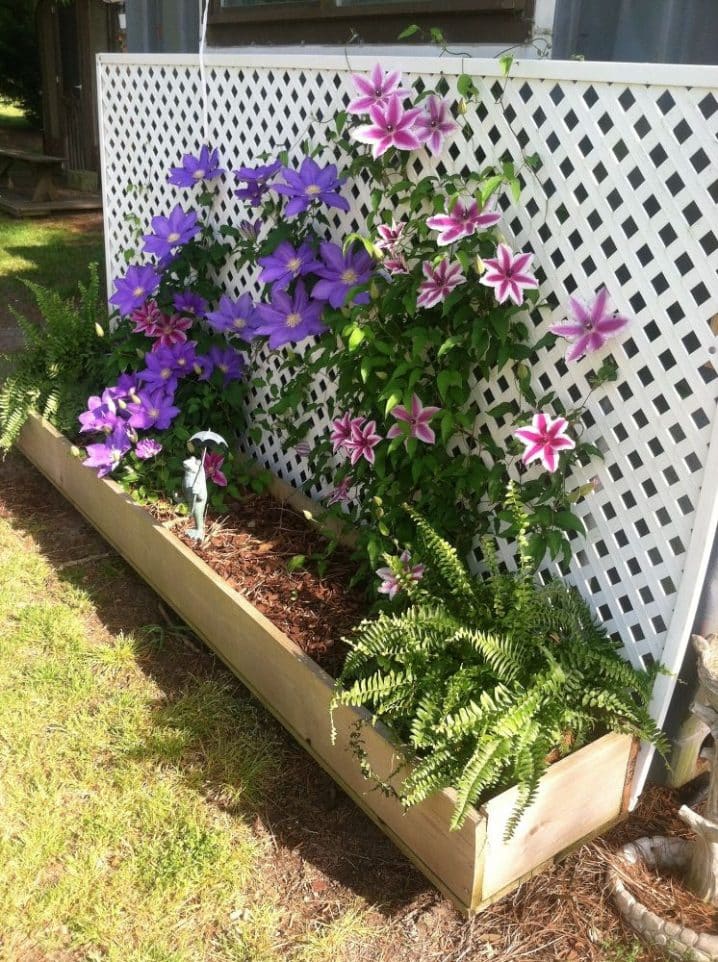
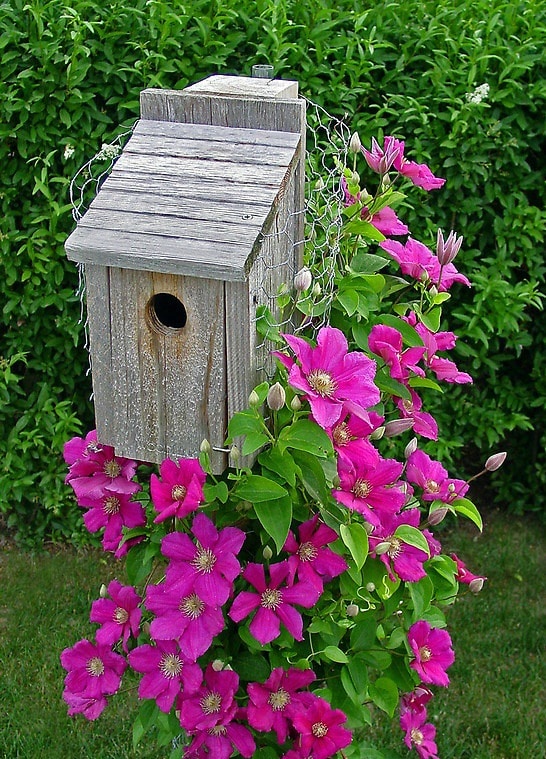
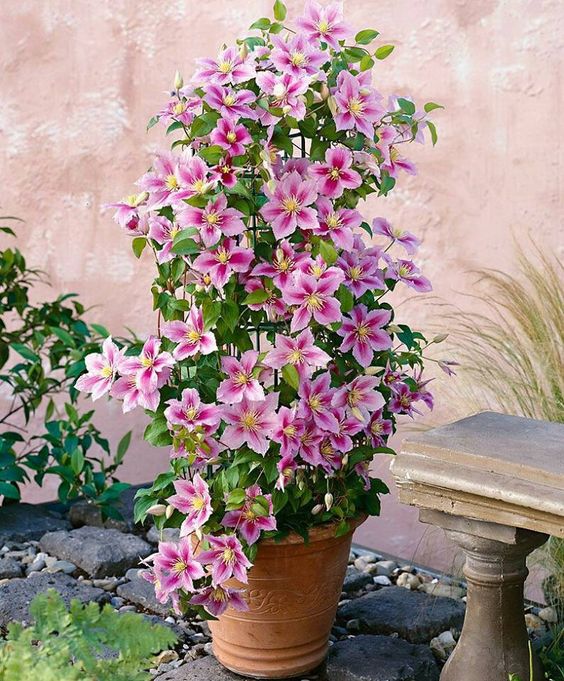
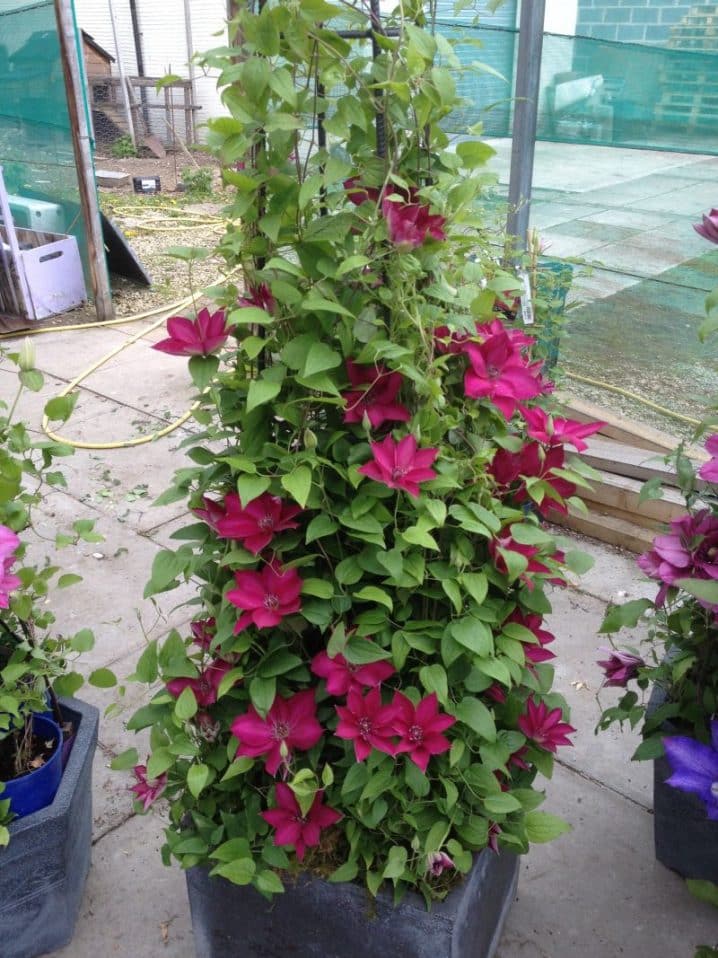
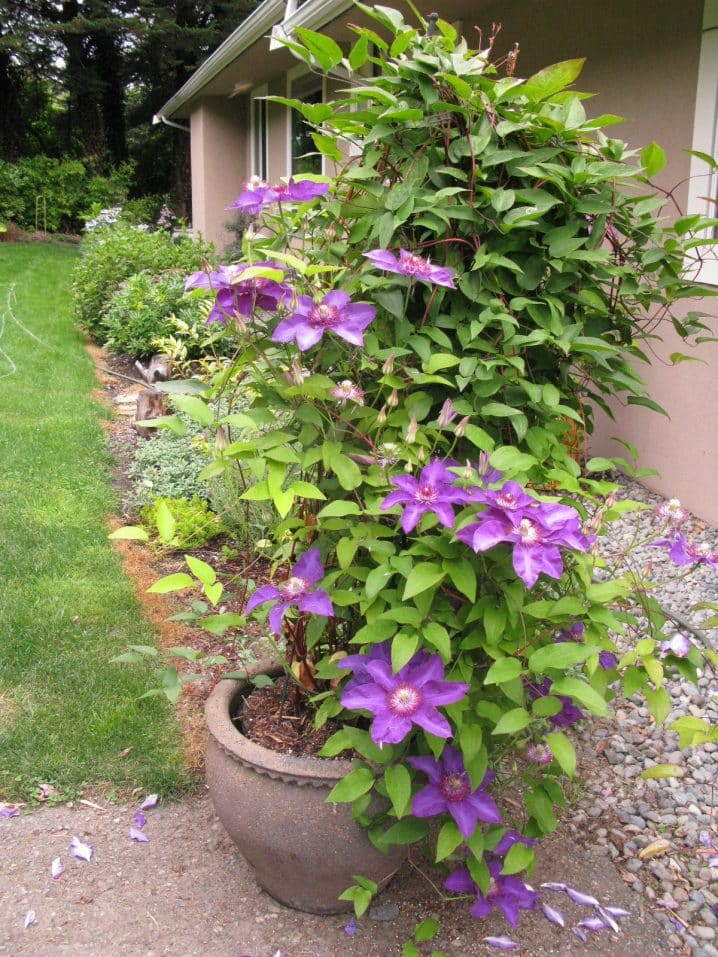
Growing clematis can transform your garden with its stunning flowers and vigorous growth.
By selecting the right variety, providing proper planting conditions, and maintaining consistent care, you can enjoy a vibrant and healthy clematis vine that enhances your outdoor space.
Follow these awesome tips to ensure your clematis thrives and brings beauty to your garden year after year.