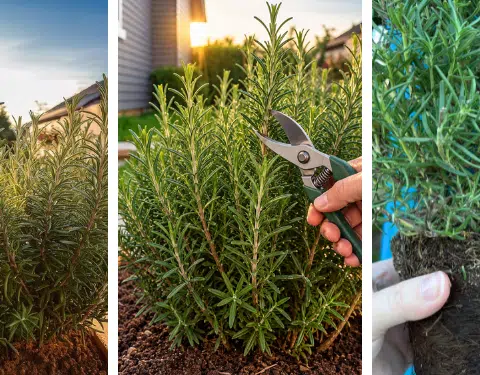
Thyme may look like a modest herb, but in the garden it punches far above its weight.
Gardeners across climates and growing styles – raised beds, in-ground plots, and containers – keep coming back to thyme for one simple reason: it works.
This low-growing, aromatic plant improves soil health, protects neighboring crops, attracts beneficial insects, and asks for very little in return.
Whether you grow vegetables, flowers, or a mix of both, thyme earns its place as a permanent resident.
Here are eight reasons gardeners swear by thyme in every garden bed – and why once you plant it, you’ll wonder how you gardened without it.
1. A Natural Pest Deterrent That Works Quietly
Thyme’s essential oils – rich in thymol and carvacrol – create a scent barrier many common garden pests dislike.
When planted along bed edges or between crops, thyme helps deter aphids, cabbage moths, flea beetles, and even some ants without spraying anything on your plants.
Unlike harsh treatments, thyme doesn’t disrupt the ecosystem. It simply makes the area less appealing to pests, reducing pressure before infestations start.
2. One of the Best Companion Plants for Vegetables
Thyme is a champion companion plant. Its shallow roots don’t compete aggressively, and its scent masks the smell of more vulnerable crops.
Gardeners often tuck thyme near tomatoes, peppers, cabbage, broccoli, strawberries, and eggplant to improve overall resilience.
Because it stays compact, thyme fills gaps without shading neighbors – ideal for intensive or square-foot gardening.
3. Attracts Pollinators and Beneficial Insects
When thyme flowers, it becomes a magnet for bees, hoverflies, and other beneficial insects. These pollinators improve yields across the entire bed, not just near the thyme itself.
The tiny blooms also attract predatory insects that feed on pests, creating a natural balance that reduces the need for intervention.
4. Improves Soil Health Over Time
Thyme contributes to healthier soil in subtle but meaningful ways. Its roots help stabilize the topsoil, reducing erosion from watering or rain.
Fallen leaves and trimmed stems break down slowly, adding organic matter that feeds soil microbes.
Over time, beds with perennial herbs like thyme tend to develop better structure and drainage – especially valuable in raised beds.
5. Acts as a Living Mulch and Weed Suppressant
Low-growing thyme varieties spread gently across the soil surface, shading out weed seedlings before they can establish.
This “living mulch” keeps soil cooler in summer, reduces moisture loss, and cuts down on weeding.
Creeping thyme is especially effective along bed borders and paths, where it softens edges and prevents weeds from creeping in.
6. Thrives Where Other Plants Struggle
Thyme loves conditions that frustrate many plants: poor soil, full sun, heat, and limited water. Once established, it’s remarkably drought-tolerant and resilient.
This makes thyme perfect for:
- hot, exposed garden beds
- sandy or rocky soil
- edges and corners that dry out quickly
- low-maintenance gardens
Plant it once, and it often returns stronger each year.
7. Harvestable All Season Without Harming the Plant
Unlike some herbs that suffer when harvested frequently, thyme responds well to regular trimming.
Cutting encourages bushier growth and keeps plants productive.
You can harvest small amounts throughout the season for cooking, drying, or herbal uses – without reducing its garden benefits. In fact, light harvesting often improves its performance as a companion plant.
8. Beautiful, Fragrant, and Incredibly Versatile
Beyond its practical benefits, thyme adds beauty to garden beds. Its fine-textured foliage, soft mounding habit, and delicate flowers blend seamlessly with vegetables and ornamentals alike.
It also brings the garden into the kitchen. Fresh thyme enhances countless dishes, and its aroma makes time spent in the garden more enjoyable – another reason gardeners keep planting more.
Where Thyme Performs Best in Garden Beds
Thyme prefers full sun and well-draining soil. It does best along bed edges, between plants with similar water needs, or as a border plant that defines rows.
Avoid overwatering and heavy, compacted soil. Once established, thyme prefers to be left alone.
Common Mistakes to Avoid
Overwatering is the most common issue. Thyme’s roots dislike sitting in moisture, especially in cool weather.
Let soil dry between waterings and avoid planting thyme next to water-hungry crops unless drainage is excellent.
Thyme earns its reputation the old-fashioned way – by delivering consistent results season after season.
It deters pests, supports pollinators, improves soil, suppresses weeds, and enhances harvests, all while asking for minimal care.