Sage (Salvia officinalis) is the rugged, aromatic backbone of the Mediterranean herb garden.
Known for its velvety, silver-green leaves and its essential role in everything from culinary masterpieces to natural wellness, it is a plant that thrives on sunshine and well-drained soil.
However, the most common frustration among herb gardeners is the “leggy” sage plant – a specimen characterized by long, bare, woody stems with only a small cluster of foliage at the very top.
Once a sage plant becomes excessively woody, it is difficult to restore its lushness. The “secret” to a bushy, productive, and long-lived herb lies in the specific maintenance window of April.
By performing these five critical tasks before May 1st, you redirect the plant’s biological energy, stimulate dormant buds at the base, and ensure your sage remains a dense, compact mound throughout the summer.
1. The “Soft-Wood” Spring Pruning (Structural Training)
Pruning is the single most effective deterrent for leggy growth. Left to its own devices, sage follows a “top-heavy” growth pattern, pushing its energy to the tips of the stems while the lower sections become brittle and bare.
The Technique:
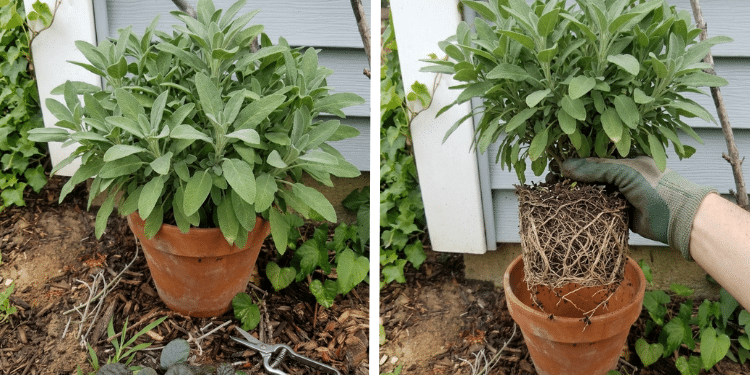
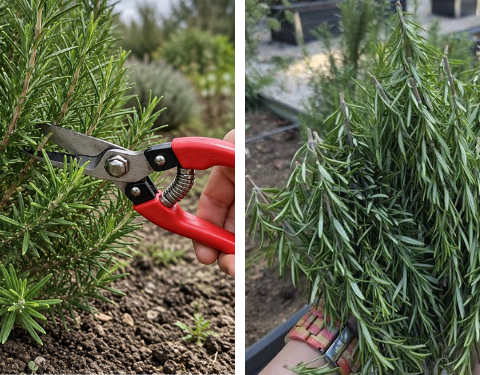
In mid-to-late April, as the plant wakes up from dormancy, look for the flexible, green growth emerging from the woody base. Your goal is to prune the plant back by about one-third of its total size.
-
Identify the Node: Always make your cuts just above a set of emerging leaves or a “node.” This is where the plant’s growth hormones are most concentrated.
-
The Golden Rule: Never cut back into the “old wood” – the dark, hard, leafless stems at the bottom. Sage rarely regenerates from this old tissue. If you cut into the wood, that branch will likely die.
-
The Result: This “pinching back” forces the plant to stop vertical elongation and start lateral branching, filling in the center of the bush.
2. Soil De-Compaction and “Root Breathing”
Sage is a mountain-dwelling native that requires a high degree of soil porosity. After a long winter of heavy rain or snow, the earth around the roots can become “slabby” and compacted.
Compacted soil limits the gas exchange between the roots and the atmosphere, causing the plant to enter a “survival stretch” where it produces thin, weak stems in a desperate search for nutrients.
The Technique:
Use a hand fork to gently loosen the soil in a 12-inch radius around the plant’s base. You aren’t digging deep; you are simply breaking the surface crust.
-
Drainage Boost: If your soil is heavy clay, this is the perfect time to scratch in a handful of fine grit or horticultural sand near the root zone.
-
Why it works: Oxygenated roots produce thicker, sturdier stems that can support heavy foliage without drooping.
3. The “Lean Soil” Nutrient Adjustment
When gardeners see a leggy plant, they often instinctively reach for high-nitrogen fertilizers. With Mediterranean herbs, this is a mistake.
High nitrogen causes “forced” growth – stems that grow so fast they lack the structural lignification to stand upright. This results in a floppy, leggy mess that attracts pests like aphids.
The Technique:
Sage prefers “lean” or poor soil. Before May, skip the synthetic fertilizers. Instead, apply a one-inch layer of well-rotted compost or leaf mold around the base of the plant.
-
The Benefit: Compost provides a low-intensity, slow-release nutrient profile. It encourages steady growth rather than a “spike.” This ensures the stems develop the strength to remain upright and compact throughout the high-growth months of June and July.
4. Sunlight Path Audit and Correction
As we move toward May, the sun’s angle in the sky changes, and nearby perennials or shrubs begin to leaf out. Sage is a “sun-worshipper” that requires at least 6 to 8 hours of direct, unobstructed light.
If your sage is even partially shaded, it will “bolt” or stretch toward the light, resulting in long gaps between the leaves (internodes).
The Technique:
Perform a “light audit” of your herb bed.
-
Prune Neighbors: If a nearby shrub has grown over the sage, prune the neighbor back to clear the light path.
-
Orientation: If your sage is in a container, move it to the brightest, south-facing spot on your patio.
-
Why it works: Consistent, high-intensity light keeps the internodes short, which is the mechanical basis for a “bushy” plant rather than a leggy one.
5. The “Deep-Drench” Watering Reset
In many climates, April is characterized by frequent, light showers. While this keeps the surface moist, it can “train” your sage to be weak.
Frequent shallow watering encourages a shallow root system, which leads to an unstable plant that “legs out” in search of anchorage.
The Technique:
Before the true heat of May arrives, reset the plant’s watering expectations.
-
The Drench: If the week has been dry, give your sage one heavy, deep drenching at the base until the water reaches 6 inches deep.
-
The Dry-Out: Then, do not water again until the soil is dry to the touch 2 inches down.
-
Why it works: This “feast and famine” cycle mimics the Mediterranean hillsides. It forces the plant to develop a deep, anchoring taproot. A deep-rooted sage plant has the stability to grow into a dense mound without needing to stretch for resources.
Restoring an overgrown, woody sage plant is a multi-year project, and often, it is easier to start fresh.
However, by spending thirty minutes in your garden this April to prune, aerate, and adjust the light, you can prevent legginess before it even starts.