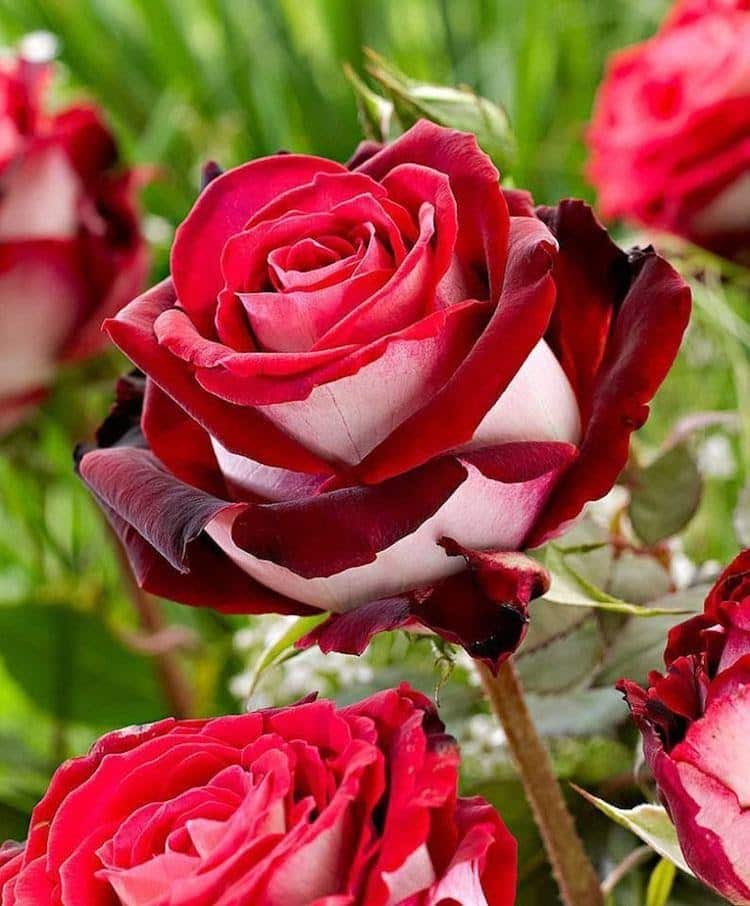
Among the countless varieties of roses, few are as visually striking and elusive as the Osiria rose. This mesmerizing hybrid tea rose, with its dramatic contrast of velvety red petals edged in snow-white, has enchanted rose lovers and gardeners alike.
While many are drawn to the classic fragrance of damask and tea roses, the Osiria rose adds a touch of mystery and elegance that sets it apart from traditional varieties.
Though it has gained notoriety online—largely due to heavily edited or enhanced photographs—the true Osiria rose still possesses undeniable charm and intrigue.
Its dual-toned petals, romantic symbolism, and rarity in gardens make it a coveted specimen for expert rose growers and collectors.
In this article, we’ll explore the origins of the Osiria rose, its characteristics, care requirements, and the challenges of growing it successfully in your own garden.
The Unmatched Allure of Rose Fragrance
Roses have been celebrated for centuries not just for their beauty but for their captivating fragrance.
The soft, rich aroma of a freshly opened rose blossom has been the foundation for perfumes, essential oils, and herbal remedies across cultures and time periods.
Different varieties of roses carry unique scent profiles:
-
Damask roses: Often described as the most fragrant, they have a sweet, deep, and romantic aroma.
-
Tea roses: Known for their lighter, sometimes spicy or citrusy fragrance.
-
Hybrid roses: Can range in scent, depending on their lineage.
With over 150 recognized species and thousands of hybrids, roses have been carefully cultivated to capture specific fragrances, colors, and forms—each representing a spectrum of emotions such as love, passion, admiration, purity, joy, mourning, and friendship.
The Origin of the Osiria Rose
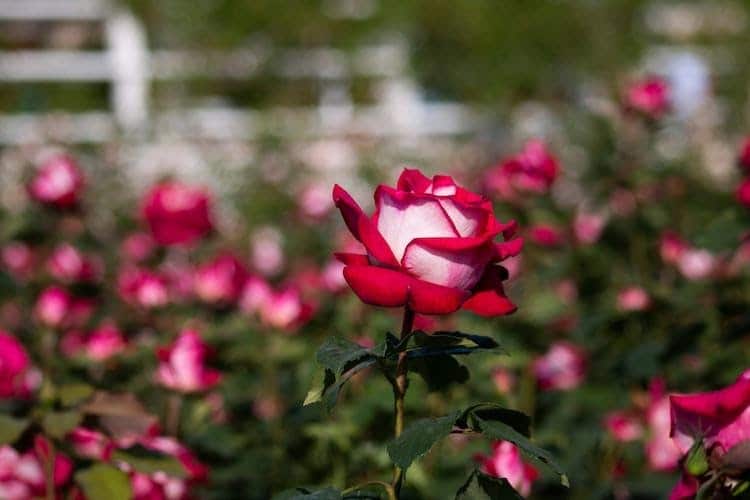
The Osiria rose is a hybrid tea rose developed in 1978 by Reimer Kordes, a renowned German rose breeder from Kordes Roses, a family-owned rose cultivation company known for producing strong, disease-resistant varieties.
It was later introduced to the French market by Willemse France, where it gained popularity for its unusual coloration.
The name “Osiria” evokes a sense of mystery and exoticism, fitting for a flower that often appears almost too beautiful to be real.
In fact, much of the rose’s early popularity can be attributed to enhanced photographs circulating on the internet that exaggerated its vibrant hues.
Still, even in natural light, the Osiria rose is a stunning specimen with deep red petals that fade to silvery white edges—a look reminiscent of brushed velvet.
Characteristics of the Osiria Rose
Color:
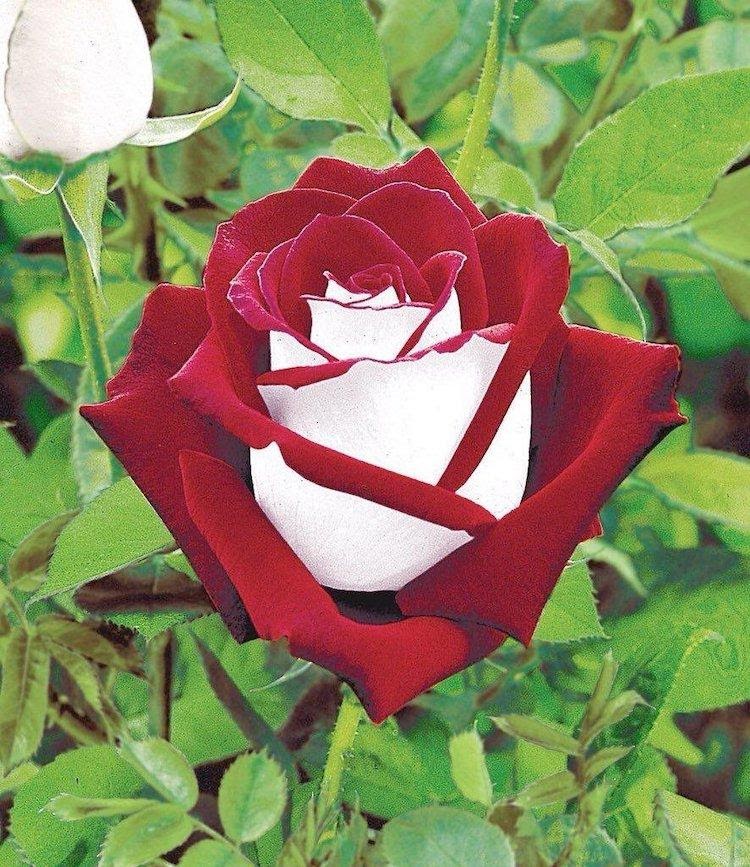
The Osiria rose’s most distinctive feature is its bi-colored petals—a bold red center with white or silvery margins. As the bloom opens, the contrast becomes more pronounced, offering a truly eye-catching display.
Fragrance:
This hybrid tea rose also offers a strong, sweet fragrance, making it as pleasing to the nose as it is to the eyes.
Growth Habit:
-
Height: Typically reaches between 120 cm to 180 cm (approximately 4 to 6 feet) tall when mature.
-
Form: Upright, bushy growth with large, single blossoms on long stems.
-
Bloom time: Flowers appear from early summer (June) through late autumn (November).
Foliage:
Glossy green leaves provide a striking contrast to the dramatic blooms, enhancing the overall visual appeal of the plant.
Is the Osiria Rose Difficult to Grow?
The Osiria rose is notoriously tricky to grow, especially compared to more modern, disease-resistant varieties.
It requires consistent care, well-managed growing conditions, and patience. It is best suited for experienced rose gardeners or those who enjoy a challenge.
Some of the difficulties include:
-
Susceptibility to fungal diseases like black spot and powdery mildew
-
Inconsistent bloom quality depending on climate
-
The plant may appear lackluster in unfavorable growing conditions
Despite the challenges, the reward is well worth the effort. A healthy Osiria rose in full bloom becomes a stunning centerpiece in any garden.
Growing and Caring for Osiria Roses
1. Location and Sunlight:
Choose a spot that receives at least 6 hours of full sunlight daily. Osiria roses can tolerate partial shade, but they bloom best in full sun. Morning sun is especially helpful to dry dew off the leaves and prevent fungal diseases.
2. Soil Requirements:
-
Use well-draining soil rich in organic matter.
-
A pH level between 6.0 and 6.5 is ideal.
-
You can amend the soil with compost or aged manure before planting to provide a nutrient-rich environment.
3. Planting Instructions:
-
Dig a hole twice the width and depth of the root ball.
-
Create a small mound of soil in the center of the hole.
-
Spread the roots over the mound and ensure the graft union (the bulge where the stem meets the roots) is about 5 cm below the soil surface.
-
Backfill with soil and gently firm down.
-
Water thoroughly to eliminate air pockets.
4. Watering:
-
Water deeply at the base of the plant to encourage deep root growth.
-
Avoid overhead watering to prevent fungal issues.
-
Water daily during the first couple of weeks after planting, then reduce frequency but increase depth as roots establish.
5. Fertilizing:
-
Apply a balanced rose fertilizer in early spring, after pruning.
-
Repeat feeding every 4–6 weeks during the growing season.
-
Stop fertilizing about 6 weeks before the first expected frost.
6. Pruning:
-
Prune in early spring just as new growth begins.
-
Remove dead, diseased, or crossing branches.
-
Cut stems back to outward-facing buds to encourage open, vase-shaped growth.
7. Disease Management:
-
Ensure good air circulation around the plant.
-
Remove fallen leaves and debris to prevent fungal spores from spreading.
-
Apply organic fungicide or neem oil if black spot or mildew appears.
How to Showcase Osiria Roses in Your Garden
Osiria roses work beautifully as:
-
Accent plants in mixed flower beds
-
Stand-alone showpieces in formal rose gardens
-
Companions to white, lavender, or silver-leafed plants that highlight the bicolor blooms
-
Cut flowers in floral arrangements due to their long, sturdy stems and strong fragrance
Combine with other roses like white hybrid teas or deep purple floribundas for a dramatic display.
The Osiria rose is a living example of how nature and human cultivation can come together to produce something truly extraordinary.
With its dual-toned petals, rich fragrance, and elegant form, it remains one of the most visually arresting hybrid tea roses in existence.
While it demands more care than your average rose, the payoff is undeniable. In the right conditions, the Osiria rose will transform your garden into a magical, storybook-like space filled with contrast, color, and intoxicating aroma.