Basil (Ocimum basilicum) is a gardener’s favorite for both the kitchen and the garden bed.
Famous for pairing with tomatoes in cuisine, basil also plays an important role in companion planting – the practice of grouping crops so they benefit one another.
But while basil is a natural ally to many plants, it doesn’t get along with everyone. Plant it next to the wrong neighbor, and you risk stunted growth, bitter flavors, or more pests instead of fewer.
The Science of Companion Planting
Companion planting isn’t just folklore – it has scientific foundations.
- Allelopathy: Some plants release biochemicals through roots or leaves that inhibit or promote growth of neighbors.
- Aromatic pest control: Strong-smelling plants like basil release volatile oils that deter pests.
- Pollinator attraction: Flowering herbs draw in bees and butterflies, helping nearby crops.
- Soil dynamics: Legumes add nitrogen, heavy feeders consume it – balancing the soil ecosystem.
- Microclimate: Tall plants shade delicate ones; ground covers suppress weeds.
Basil excels in companion planting because of its aromatic essential oils and its role as both protector and enhancer.
5 Plants Not to Plant Near Basil
While basil is versatile, some plants clash due to soil needs, growth habits, or flavor impact.
1. Cucumbers
- Conflict: Basil’s pungent oils can alter cucumber flavor, making them taste bitter.
- Resource competition: Both are water-hungry, leading to stress in dry spells.
- Better companion: Plant cucumbers near dill or radishes instead.
2. Fennel
- Allelopathic effect: Fennel secretes compounds that suppress basil growth.
- Pest magnet: Attracts pests like aphids, which may spread to basil.
- Tip: Keep fennel in its own bed, far from delicate herbs.
3. Sage
- Water needs differ: Basil prefers moist soil; sage thrives in drier conditions.
- Crowding effect: Both are aromatic and can overwhelm each other’s growth.
4. Rue
- Allelopathic chemistry: Rue produces compounds toxic to basil and many other herbs.
- Result: Basil planted nearby often grows stunted or fails completely.
5. Thyme (when overcrowded)
- Similar aromatic oils: Thyme’s dominance can suppress basil if planted too close.
- Moisture mismatch: Thyme tolerates dry soil; basil wilts without consistent water.
10 Perfect Matches for Basil
Now for the fun part – plants that thrive with basil. Each pairing is based on complementary growth, pest protection, or flavor enhancement.
1. Tomatoes
- The classic duo. Basil repels tomato hornworms, aphids, and whiteflies.
- Improves tomato flavor and yield.
- Both thrive in warm, sunny conditions.
2. Peppers (Sweet & Chili)
- Mutual benefits: basil deters aphids and spider mites, peppers benefit from extra pollinators.
- Both enjoy consistent moisture and warmth.
3. Lettuce
- Basil’s slight shade keeps lettuce cooler, preventing bolting.
- Provides pest protection from leaf miners and aphids.
4. Oregano
- Combines well in Mediterranean gardens.
- Together, their aromas repel pests while enhancing pollinator presence.
5. Asparagus
- Basil deters asparagus beetles.
- Asparagus grows vertically, leaving basil plenty of space below.
6. Carrots
- Basil’s strong scent confuses carrot flies.
- Carrots loosen soil, helping basil roots breathe.
7. Beans
- Fix nitrogen in the soil, enriching basil’s leafy growth.
- Basil, in turn, repels beetles that may attack beans.
8. Marigolds
- Both are natural pest repellents.
- Together, they form a “barrier garden” against nematodes, mosquitoes, and whiteflies.
9. Borage
- Attracts pollinators, boosts basil’s flowering.
- Acts as a trap crop for tomato hornworms.
10. Chives
- Repel aphids and Japanese beetles.
- Basil’s growth benefits from shared moisture-loving conditions.
Quick-Reference Chart
| Plant | Good/Bad with Basil | Why |
|---|---|---|
| Tomatoes | ✅ Good | Pest repellent, flavor boost |
| Peppers | ✅ Good | Shared needs, pest protection |
| Lettuce | ✅ Good | Shade prevents bolting |
| Oregano | ✅ Good | Mutual pest resistance |
| Carrots | ✅ Good | Deters carrot flies |
| Beans | ✅ Good | Nitrogen fixing |
| Marigolds | ✅ Good | Pest-repelling combo |
| Cucumbers | ❌ Bad | Alters flavor, water conflict |
| Fennel | ❌ Bad | Suppresses basil growth |
| Sage | ❌ Bad | Different soil/moisture needs |
| Rue | ❌ Bad | Allelopathic effect |
Basil Care Essentials for Companion Planting
To maximize companion planting success, you also need strong, healthy basil plants.
- Soil: Rich, well-draining, pH 6–7.
- Water: Consistent moisture; never let basil dry completely.
- Sunlight: 6–8 hours daily.
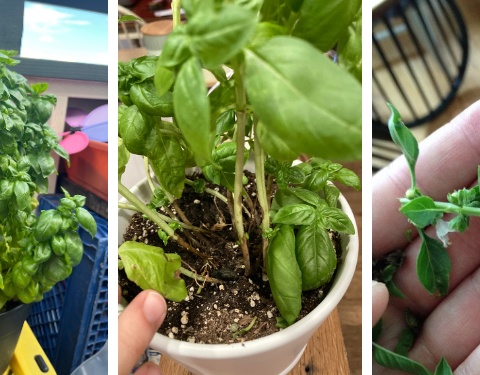
- Pruning: Pinch flowers regularly to extend leaf harvest.
- Harvesting: Take top leaves first, never strip more than ⅓ of plant.
Indoor vs. Outdoor Basil Companion Planting
Indoors
- Pair basil with small herbs like chives and oregano in kitchen containers.
- Use marigolds as decorative pest deterrents.
Outdoors
- Plant basil between tomatoes and peppers in vegetable beds.
- Edge flower beds with basil to repel mosquitoes naturally.
Seasonal Planting Strategies
- Spring: Start basil indoors 4–6 weeks before last frost. Plant with lettuce and carrots.
- Summer: Pair basil with tomatoes and peppers at peak growth.
- Fall: Protect basil with marigolds and chives in cooler weather.
- Winter (indoors): Grow basil near oregano and chives in containers.
FAQs
Can I plant multiple varieties of basil together?
Yes, but give space – purple, lemon, and Thai basil can cross-pollinate if you save seeds.
Why does basil taste bitter near cucumbers?
Aromatic oils interact and alter flavor.
Can basil deter mosquitoes?
Yes – when planted outdoors or in pots near patios.
How close should I plant basil to companions?
8–12 inches spacing ensures airflow and prevents competition.
Basil is a star in the garden and kitchen, but its neighbors make all the difference.
Avoid planting it near cucumbers, fennel, sage, rue, and thyme, and instead surround it with perfect matches like tomatoes, peppers, lettuce, and marigolds.