The truth is, basil can thrive indoors just as beautifully as it does outdoors – if you understand its needs.
With the right light, soil, watering routine, and harvesting habits, you can grow lush, aromatic basil plants that keep producing through the darkest months of winter.
Why Basil Struggles in Winter (and How You Can Fix It)
Basil (Ocimum basilicum) is a tropical herb that loves warmth, sunlight, and humidity. In the garden, it flourishes under long summer days, but when grown indoors during winter, the challenges begin:
- Less sunlight: Shorter days and weaker light slow growth and cause legginess.
- Dry indoor air: Heating systems pull moisture from the air, drying out delicate leaves.
- Cool drafts: Basil hates cold air – even a chilly windowsill can stunt it.
- Overwatering: With less light and slower evaporation, roots can easily rot.
The good news? Once you replicate basil’s natural environment – bright light, steady warmth, and balanced moisture – it grows just as fast indoors as it does outside.
Let’s start from the beginning: choosing the right variety and setup.
1. Choose the Right Basil Variety for Indoors
Some basil types adapt better to indoor growing than others. If you want steady yields and compact plants, choose smaller-leaved or bushy varieties.
Best Basil Varieties for Indoor Growing
- Genovese Basil: The classic Italian variety, perfect for pesto. Large leaves, rich aroma, and consistent growth under lights.
- Greek or Globe Basil: Naturally compact and ornamental, with small, flavorful leaves that thrive in pots.
- Cinnamon Basil: Slightly spicy and aromatic; tolerates lower light conditions well.
- Lemon Basil: Fresh citrus scent, great for teas or desserts; does best with bright light.
- Spicy Globe Basil: Tiny leaves, dense growth, and perfect for windowsills or kitchen counters.
Tip: If you plan to grow multiple plants, mix varieties for different culinary uses – one for cooking, one for teas, one for garnish.
2. Start With Healthy Seeds or Cuttings
You can start basil from seed, cuttings, or store-bought plants, depending on how quickly you want to harvest.
From Seeds
- Use a shallow seed tray or small pots with seed-starting mix.
- Sow 2–3 seeds per cell, about ¼ inch deep.
- Keep the soil consistently moist (not soggy) until germination, which usually takes 5–10 days.
- Once seedlings have 2–3 sets of true leaves, thin them out, keeping only the strongest.
From Cuttings
If you already have an outdoor basil plant, you can clone it easily.
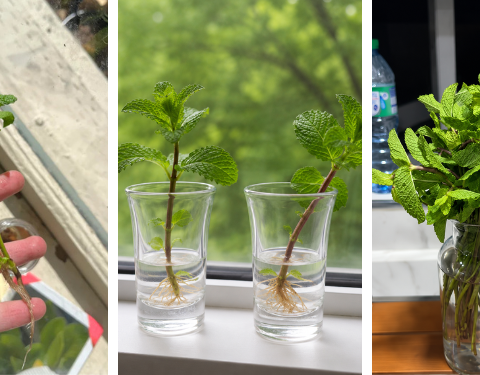
- Snip a 4–5 inch stem just below a leaf node.
- Remove the bottom leaves and place the stem in a glass of water.
- Within 5–7 days, roots will begin to form.
- Transplant it into a pot with well-draining soil once the roots reach about 2 inches long.
This method gives you a head start and preserves your favorite summer basil variety for winter growing.
3. Pick the Perfect Container
Basil prefers roomy pots with good drainage. Roots spread fast, so avoid small, shallow containers.
Best Pots for Indoor Basil
- Size: At least 6–8 inches deep and wide.
- Material: Clay or ceramic pots help prevent waterlogging, while plastic retains moisture longer – ideal for dry homes.
- Drainage holes: Essential to prevent root rot.
- Saucers: Place beneath pots to catch runoff but empty excess water after each watering.
If you’re growing multiple plants, consider a long trough-style planter for a mini indoor herb garden.
4. Use the Right Soil Mix
Basil needs light, nutrient-rich, well-draining soil. Garden soil is too dense for indoor containers – it compacts easily and restricts airflow.
Ideal Soil Recipe
- 2 parts high-quality potting mix
- 1 part perlite or coarse sand (for drainage)
- 1 part compost or worm castings (for nutrients)
Mix thoroughly before potting. Basil thrives in soil with a slightly acidic to neutral pH (6.0–7.0).
5. Give Your Basil Enough Light (Even in Winter)
Light is the single most important factor for growing indoor basil. Without enough, it becomes spindly, pale, and weak.
Natural Light
If you have a sunny window, place your basil where it gets at least 6 hours of direct sunlight daily – preferably a south-facing window. Rotate the pot weekly so all sides receive even light.
Avoid cold drafts from windows – basil is sensitive to temperatures below 55°F (13°C).
Artificial Grow Lights
In winter or dim spaces, supplement natural light with LED grow lights.
- Use full-spectrum LED grow lights, which mimic natural sunlight.
- Position them 6–12 inches above the plants.
- Keep lights on for 12–14 hours a day for optimal growth.
- Turn off at night to let the plant rest.
A small grow light setup can turn even a kitchen countertop into a thriving herb garden – and it pays off quickly in fresh, fragrant basil leaves.
6. Keep Temperatures Warm and Consistent
Basil loves warmth. Indoors, aim for a temperature between 70–80°F (21–27°C) during the day and not below 60°F (16°C) at night.
Keep your plants away from:
- Drafty windows or doors
- Air vents or radiators (which dry out the air)
- Cold surfaces like stone counters
For extra warmth, you can place pots on a seedling heat mat or near a gentle heat source (never direct).
7. Water Basil the Right Way
Basil doesn’t like “wet feet,” but it also hates drying out completely. The goal is consistent, moderate moisture.
Watering Tips
- Check the top inch of soil; if it feels dry, it’s time to water.
- Always water deeply until it drains from the bottom, then empty the saucer.
- Avoid watering from above; water at the base to prevent fungal issues.
- Reduce watering slightly during darker winter weeks when growth slows.
If your home has very dry air, mist your basil lightly once or twice a week or place a humidity tray nearby.
8. Feed Basil Regularly (But Don’t Overdo It)
Basil grows fast and needs nutrients to sustain leaf production. Indoors, soil nutrients deplete quickly due to frequent watering, so light feeding helps maintain vigor.
Fertilizing Schedule
- Use a balanced organic liquid fertilizer (like a 10-10-10 or 5-5-5) diluted to half strength.
- Feed every 2–4 weeks during active growth.
- Stop fertilizing in low-light winter months if growth slows dramatically – too much nitrogen can make plants leggy.
Compost tea or worm castings added occasionally also keep soil healthy and microbe-rich.
9. Harvest Frequently – It’s the Secret to Abundance
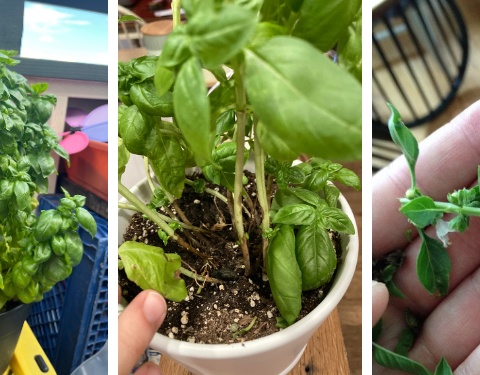
The more you harvest basil, the more it grows. Pinching encourages branching and prevents the plant from flowering too soon (which makes leaves taste bitter).
How to Harvest Basil Properly
- Wait until the plant is at least 6 inches tall with multiple sets of leaves.
- Pinch off the top set of leaves right above a leaf node (where two new leaves emerge).
- Don’t remove more than one-third of the plant at once.
- Continue harvesting weekly or biweekly.
Regular pruning forces the plant to grow bushier instead of tall and lanky. The result? More stems, more leaves, and a constant supply of fresh basil.
Tip: Always remove flower buds as soon as they appear – this keeps the plant focused on producing leaves, not seeds.
10. Propagate to Keep Your Supply Endless
Even with great care, basil plants naturally become woody after 3–4 months. Instead of letting them fade, take cuttings and start new ones.
Simply:
- Snip healthy stems before they flower.
- Root them in water or moist soil.
- Replace older plants with new clones.
This cycle ensures you’ll have fresh, young basil plants year-round without ever buying new seeds again.
11. Deal With Common Indoor Basil Problems
Even healthy plants sometimes run into trouble. Knowing how to recognize and fix issues early can save your crop.
Yellow Leaves
Usually a sign of overwatering or poor drainage. Check that your pot has holes and that you’re not keeping the soil constantly soggy.
Leggy Growth
Caused by insufficient light. Move the plant to a brighter spot or use a grow light.
Brown Leaf Tips
Typically dry air or inconsistent watering. Increase humidity or water more evenly.
Mold on Soil Surface
Means too much moisture and not enough airflow. Scrape off the top layer and let the soil dry before watering again.
Pests (Aphids, Fungus Gnats)
Use natural remedies like neem oil spray, insecticidal soap, or a light mist of water to wash pests away. Ensure good air circulation around your plants.
12. Companion Herbs That Grow Well Indoors With Basil
If you’re setting up an indoor herb garden, basil thrives alongside other warm-weather herbs that enjoy similar light and moisture conditions.
Great companions include:
- Parsley – Prefers consistent moisture and partial sunlight.
- Thyme – Compact, aromatic, and easy to grow under grow lights.
- Oregano – Loves warmth and moderate watering.
- Chives – Adds variety and grows well in similar soil.
- Mint – Hardy and prolific, though best kept in its own pot to avoid spreading.
Together, these herbs create a mini kitchen garden that provides fresh ingredients for every recipe – even in midwinter.
How to Store and Use Your Basil Harvest
If your plants are thriving, you may end up with more basil than you can use in a week. Luckily, basil stores beautifully when handled right.
For Short-Term Storage
- Keep fresh stems in a glass of water, like a bouquet.
- Loosely cover with a plastic bag and store at room temperature.
- Don’t refrigerate – cold air damages basil leaves.
For Long-Term Storage
- Freeze: Blend basil with olive oil and freeze in ice cube trays for soups and sauces.
- Dry: Air-dry or use a dehydrator; store crushed leaves in airtight jars.
- Make Pesto: Combine basil, garlic, pine nuts, Parmesan, and olive oil. Freeze or refrigerate portions for quick use.
No matter the season, you’ll always have the flavor of summer within reach.

Growing basil indoors isn’t just about convenience – it’s about staying connected to the rhythm of nature, even in the coldest months.
Watching green shoots stretch toward the light and catching that unmistakable scent each morning is a simple joy that lifts the spirit.