Before you throw away those leftover lemon peels, think again!
Most people squeeze lemons for juice and toss the skins straight into the trash. But those bright yellow peels are packed with natural citrus oils, wonderful fragrance, and plenty of flavor.
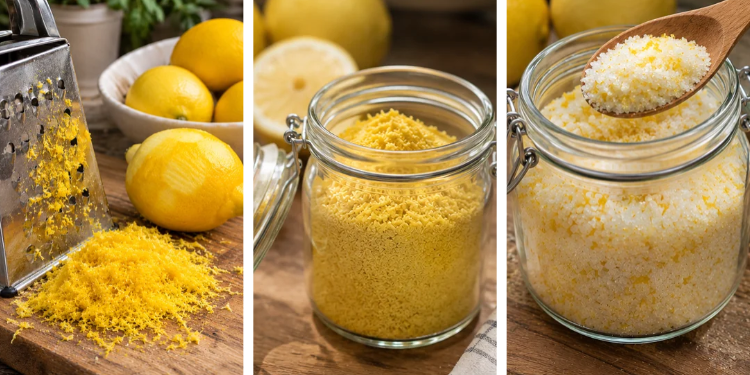
With just a few simple steps, you can turn them into two useful homemade ingredients: lemon zest powder and lemon sugar.
Lemon zest powder adds fresh citrus flavor to baked goods, marinades, sauces, and homemade seasonings. Lemon sugar is perfect for sweetening tea, decorating cookies, and adding a delicious lemony twist to desserts.
The best part? You don’t need special ingredients or expensive equipment.
This easy kitchen project helps reduce food waste, saves money, and gives you two flavorful ingredients you can use for weeks or even months.
Here’s how to make both at home.
Why You Should Never Waste Lemon Peels
Lemon peels contain aromatic oils that give lemons their unmistakable fresh scent and flavor.
The outer yellow layer, called the zest, contains most of these flavorful oils.
Instead of throwing it away, you can preserve it and use it in everyday cooking.
Here are a few reasons to save your lemon peels:
- Less kitchen waste: Make use of the peel after squeezing the juice.
- Natural flavor: Add citrus aroma without relying on artificial lemon flavoring.
- Budget-friendly: Turn something you already have into useful pantry ingredients.
- Versatile: Use lemon zest in both sweet and savory recipes.
- Easy storage: Properly dried lemon zest can be stored for future cooking.
Kitchen note: The yellow outer peel has the best flavor. The thick white layer underneath, called the pith, is more bitter and can affect the taste of your finished powder.
1. Choose and Clean Your Lemon Peels
Start with fresh lemons that have firm, healthy-looking skins.
Because you’ll be using the peel, washing the fruit thoroughly is especially important.
What you’ll need:
- 3–5 fresh lemons
- Clean water
- A vegetable brush
- A clean kitchen towel
- A fine grater or vegetable peeler
What to Do
- Rinse the lemons under running water.
- Gently scrub the surface with a clean vegetable brush.
- Dry them with a clean towel.
- Remove the thin yellow outer layer using a grater or vegetable peeler.
- Try to avoid removing too much white pith.
If you’ve already squeezed the lemons, you can still remove the zest from the leftover halves.
Helpful note: It’s easier to zest a whole lemon before cutting and squeezing it, but leftover lemon halves work too.
Important: If the lemons are labeled as having a peel treatment unsuitable for consumption, don’t use those peels for food. Choose lemons intended for culinary zesting.
2. Dry the Lemon Peels to Make Zest Powder
Drying removes moisture from the lemon peel, making it possible to grind the zest into a fragrant powder.
There are several ways to do this, depending on the equipment you have.
Method 1: Using a Food Dehydrator
A dehydrator is one of the easiest ways to dry lemon zest evenly.
Instructions:
- Spread the lemon zest in a thin layer on dehydrator trays.
- Set the dehydrator to approximately 125–135°F (52–57°C).
- Dry until the zest is completely brittle.
- Allow it to cool before grinding.
Drying may take several hours depending on the thickness of the peel and the dehydrator.
Helpful note: The peel should snap or crumble easily when dry. If it still bends or feels soft, continue drying.
Method 2: Using Your Oven
Don’t have a dehydrator? Your oven can work too.
Instructions:
- Preheat the oven to its lowest available temperature, ideally around 150–170°F (65–77°C).
- Spread the zest in a single layer on a parchment-lined baking sheet.
- Place it in the oven and check frequently.
- Remove it once completely dry and brittle.
Drying time varies with peel thickness and oven temperature.
Important note: Avoid browning or burning the zest, which can make the powder taste bitter.
If your oven doesn’t have a sufficiently low setting, a dehydrator may produce better results.
3. Grind the Dried Zest into Lemon Powder
Once the lemon peel is completely dry, it’s time to turn it into powder.
You can use a clean spice grinder, small coffee grinder, or mortar and pestle.
What to Do
- Place the dried lemon zest into your grinder.
- Grind until it becomes a fine powder.
- Sift if you prefer a smoother texture.
- Grind any remaining coarse pieces again.
- Transfer the finished powder into a clean, completely dry glass jar.
Storage note: Keep lemon zest powder in an airtight container in a cool, dry, dark place.
Moisture is its biggest enemy. If the powder becomes damp, develops mold, or smells unpleasant, discard it.
For the best flavor, use it within a few months, although properly dried zest may remain usable longer when stored well.
4. Make Homemade Lemon Sugar
Now comes the second delicious project: lemon sugar!
This simple ingredient combines the bright fragrance of lemon zest with the sweetness of ordinary sugar.
There are two easy ways to prepare it.
Method 1: Lemon Sugar With Dried Zest Powder
This is the simplest option for a shelf-stable homemade lemon sugar.
Ingredients:
- 1 cup granulated sugar
- 1–2 teaspoons dried lemon zest powder
Instructions:
- Place the sugar in a clean bowl.
- Add the dried lemon zest powder.
- Mix thoroughly until evenly distributed.
- Transfer to an airtight jar.
- Store in a cool, dry place.
Flavor note: Start with one teaspoon of powder and add more if you prefer a stronger lemon flavor.
Method 2: Fresh Lemon Zest Sugar
Fresh zest creates a particularly fragrant lemon sugar because its natural oils are released directly into the sugar.
Ingredients:
- 1 cup granulated sugar
- 1 tablespoon finely grated fresh lemon zest
Instructions:
- Place the sugar and fresh zest in a bowl.
- Rub the zest into the sugar using clean fingers.
- Continue until the sugar becomes fragrant.
- Use immediately in baking or desserts.
Important storage note: Fresh lemon zest adds moisture to the sugar. Refrigerate this version in a covered container and use it promptly, preferably within a few days, or freeze it for longer storage.
For a dry pantry ingredient, use the version made with fully dried zest.
5. Seven Delicious Ways to Use Lemon Zest Powder
Once you’ve made your homemade powder, you’ll find plenty of opportunities to use it.
1. Add It to Cakes and Muffins
Mix a small amount into cake batter, muffin mixtures, or homemade cookies.
Tip: Start with ¼ teaspoon and adjust according to the recipe and your preferred flavor.
2. Make Lemon-Flavored Pancakes
Add a pinch of lemon powder to pancake or waffle batter for a refreshing citrus aroma.
Tip: It pairs especially well with blueberries.
3. Season Roasted Vegetables
Sprinkle lemon zest powder over roasted potatoes, carrots, zucchini, or asparagus.
Tip: Combine it with garlic powder, black pepper, and dried herbs.
4. Flavor Homemade Salad Dressings
Whisk a small amount into olive oil, vinegar, and your favorite seasonings.
Tip: Let the dressing sit briefly so the dried zest can soften and release flavor.
5. Add It to Fish and Chicken
Use lemon powder in marinades or dry seasoning blends.
Tip: Mix it with thyme, oregano, and black pepper for a simple Mediterranean-style seasoning.
6. Make Homemade Lemon Tea
Add a small pinch of dried lemon zest to hot water or herbal tea.
Tip: Strain before drinking if you prefer a smoother texture.
7. Prepare Homemade Spice Blends
Combine lemon powder with dried rosemary, garlic powder, and other herbs.
Tip: Store the mixture in a dry, airtight spice jar.
6. Six Sweet Ways to Use Homemade Lemon Sugar
Lemon sugar is just as versatile as lemon zest powder.
Here are some easy ways to enjoy it.
1. Sweeten Tea: Stir a teaspoon into black tea, green tea, or herbal infusions.
2. Sprinkle Over Cookies: Add lemon sugar to cookies before baking for a fragrant topping.
3. Flavor Homemade Lemonade: Use lemon sugar instead of plain sugar for an extra citrus boost.
4. Make Lemon-Sugar Toast: Sprinkle it over buttered toast for a simple sweet treat.
5. Add to Yogurt: Mix a little into plain yogurt with fresh berries.
6. Decorate Desserts: Use it as a finishing touch for muffins, cakes, and fruit salads.
Kitchen note: Lemon sugar is especially delicious with strawberries, blueberries, raspberries, and vanilla-flavored desserts.
7. Common Mistakes to Avoid
Making lemon zest powder and lemon sugar is simple, but a few mistakes can affect the final result.
Mistake 1: Including too much white pith. This can make the finished powder unpleasantly bitter.
Mistake 2: Grinding peels before they’re fully dry. Remaining moisture can cause clumping and spoilage.
Mistake 3: Drying at very high temperatures. Excessive heat may burn the peel and reduce its fresh citrus aroma.
Mistake 4: Storing powder in a damp container. Always use clean, completely dry jars.
Mistake 5: Treating fresh-zest sugar like dry sugar. Fresh zest introduces moisture and requires different storage.
Mistake 6: Using spoiled lemon peels. Discard peels showing mold, decay, or unusual odors.
Bonus: More Ways to Reduce Lemon Waste
After removing the zest, don’t forget about the remaining lemon.
There are several other ways to make use of it.
- Freeze the juice: Pour freshly squeezed lemon juice into ice cube trays for future cooking.
- Make lemon ice cubes: Freeze thin slices of clean lemon in water for refreshing drinks.
- Use the juice in dressings: Combine it with olive oil, herbs, and seasonings.
- Compost the leftovers: Add remaining peels and pulp to your compost pile in moderate amounts.
Zero-waste note: You don’t need to use every single part of a lemon in food. Composting unusable scraps is another practical way to reduce household waste.
Turning leftover lemon peels into zest powder and lemon sugar is one of the easiest ways to make your kitchen more resourceful.