In the world of natural wellness, few botanical remedies enjoy a reputation as formidable as oregano oil (Origanum vulgare).
Often hailed on health forums, social media, and herbalism blogs as “nature’s ultimate antibiotic,” oregano essential oil is widely turned to at the first sign of a scratchy throat, respiratory bug, or digestive imbalance.
While traditional folk medicine has used wild oregano for centuries to treat wounds, digestive ailments, and respiratory infections, evaluating whether this potent herbal extract can truly rival clinical antibiotics requires sifting through microbiology research, pharmacology studies, and clinical data.
Here is an evidence-based look at the active chemistry of oregano oil, how it acts on bacterial cells, what laboratory and animal studies reveal, and what science says about its safety and limitations in human health.
The Chemistry: What Makes Oregano Oil Antimicrobial?
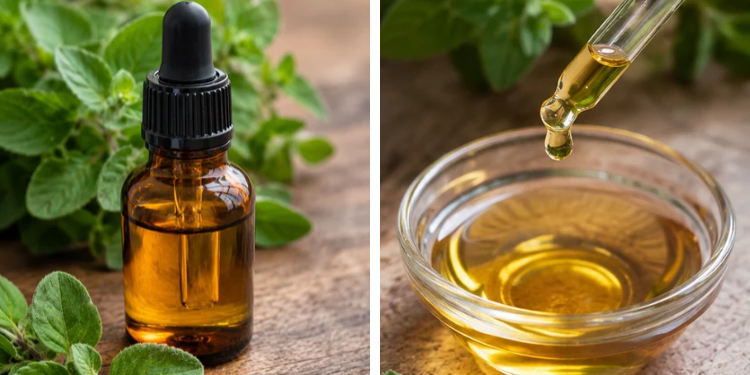
Standard culinary oregano adds flavor to dishes, but oil of oregano is a concentrated extract derived through steam distillation of wild oregano species (Origanum vulgare or Origanum hispanicum).
This distillation process concentrates volatile organic compounds known as terpenes and phenols.
The primary antimicrobial power of oregano oil stems from two key phytochemicals:
1. Carvacrol
Carvacrol is a monoterpenic phenol that typically comprises between 60% and 85% of high-quality oregano essential oil. It is the dominant active compound responsible for destroying bacterial and fungal pathogens.
2. Thymol
Thymol makes up roughly 2-5% of oregano oil. While present in smaller quantities, thymol is a potent natural antiseptic and antifungal agent (also found in commercial antiseptic mouthwashes) that acts synergistically with carvacrol to enhance cellular destruction of microbes.
The Mechanism: How Oregano Oil Kills Bacteria
To understand how oregano oil works, it helps to examine its biological mode of action under a microscope.
Unlike many synthetic pharmaceutical antibiotics that target specific intracellular processes—such as inhibiting bacterial cell wall synthesis (penicillins) or blocking bacterial protein synthesis (tetracyclines)—carvacrol operates primarily by physically disrupting microbial cell membranes.
Membrane Permeabilization and Ion Leakage
Because carvacrol is highly lipophilic (attracted to fats), it readily integrates into the lipid bilayer of bacterial cell membranes.
Once inserted, carvacrol destabilizes the membrane’s structural integrity, causing it to become abnormally permeable. This structural breakdown causes crucial intracellular components—such as potassium ions, hydrogen ions, and adenosine triphosphate —to leak out of the bacterial cell rapidly.
Without intact membrane electrical potential and cellular energy, the bacterium loses structural control and undergoes lysis (cell rupture and death).
What the Science Shows: Test Tubes vs. Human Clinical Reality
When asking whether oregano oil functions like a real antibiotic, the answer depends entirely on whether we are looking at a laboratory petri dish (in vitro) or a living human body (in vivo).
1. Powerful In Vitro (Laboratory) Efficacy
In controlled test-tube and agar plate studies, oregano oil demonstrates impressive broad-spectrum antibacterial activity against a wide array of dangerous pathogens:
-
Gram-Positive Bacteria: Oregano oil shows intense activity against Staphylococcus aureus (including drug-resistant MRSA strains), Streptococcus pneumoniae, and Listeria monocytogenes.
-
Gram-Negative Bacteria: It effectively inhibits Escherichia coli, Pseudomonas aeruginosa, and Salmonella enterica, though Gram-negative bacteria are generally slightly more resistant due to their double-layer outer membrane.
-
Biofilm Disruption: Bacteria often form slimy, protective matrices called biofilms on medical devices and tissue surfaces, making them resistant to standard antibiotics. Research shows carvacrol can penetrate and disrupt bacterial biofilms, preventing chronic colony formation.
2. The Human Clinical Reality: The In Vivo Gap
While in vitro data is strong, human clinical trials evaluating oral oregano oil for acute systemic bacterial infections are extremely limited.
-
Bioavailability and Metabolism: When you swallow oregano oil, carvacrol is rapidly absorbed in the upper gastrointestinal tract and metabolized by the liver into glucuronide and sulfate conjugates. These metabolic changes significantly lower the concentration of free, active carvacrol circulating in the bloodstream compared to direct test-tube applications.
-
Targeting Specific Tissues: Poured directly onto bacteria in a petri dish, oregano oil kills microbes easily. However, reaching lethal antimicrobial concentrations inside human lungs, kidney tissues, or deep wounds via oral ingestion without causing toxic irritation to human mucous membranes remains a major pharmacological challenge.
Antimicrobial Profile Comparison
| Parameter | Oil of Oregano (Carvacrol) | Prescribed Pharmaceutical Antibiotics |
| Primary Mechanism | Physical membrane disruption & ion leakage | Targeted enzyme or protein synthesis inhibition |
| Spectrum of Action | Broad (Bacteria, fungi, & parasites) | Specific (Gram-positive, Gram-negative, or targeted) |
| Bacterial Resistance Risk | Low (Hard for bacteria to mutate membrane mechanics) | Moderate to High (Selective resistance development) |
| Human Clinical Evidence | Strong in vitro; minimal human trial data | Extremely high (Phases I–III clinical trials) |
| Systemic Toxicity at High Doses | Can irritate gut lining & liver at high concentrations | Known side effect profiles managed by dosing |
Safety Guidelines, Risks, and Precautions
Because oregano oil is a potent plant extract, treating it with respect and caution is vital for safe usage:
The Verdict: A Valuable Herbal Ally, Not a Prescription Replacement
Can oregano oil act as a natural antimicrobial? Yes. Laboratory science confirms that carvacrol and thymol possess real, powerful antibacterial, antifungal, and antiviral properties capable of destabilizing cell membranes.
However, calling it a complete replacement for modern clinical antibiotics is medically inaccurate.
For minor, upper-respiratory discomfort, throat tickles, or mild digestive imbalances, oregano oil can serve as a supportive botanical tool.
But for severe, systemic, or rapidly progressing bacterial infections (such as strep throat, kidney infections, or pneumonia), prescription antibiotics prescribed by a physician remain essential and life-saving.