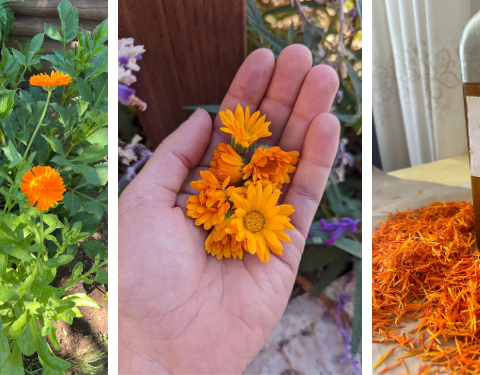
Calendula may look like just another cheerful garden flower, but this bright orange and yellow bloom has been valued for centuries for far more than its appearance.
Also known as pot marigold, Calendula officinalis has traditionally been used in herbal preparations for the skin, while its edible petals have found their way into teas, salads, soups, oils, and other foods.
And unlike many useful herbs that require special growing conditions, calendula is remarkably easy to grow.
Give it sunshine, reasonable soil, and regular moisture while establishing, and it can reward you with flowers for weeks. In cooler weather, it may continue blooming when many summer flowers have already faded.
But the real surprise begins when you start harvesting those flowers.
Here are 10 practical ways people use calendula – and why you may want to grow more of it next season.
1. Turn the Flowers Into Calendula Oil
One of the most popular ways to preserve calendula is by making an infused oil.
This isn’t calendula essential oil. Instead, dried calendula flowers are steeped in a carrier oil so oil-soluble plant compounds can move into the oil.
A simple method is to fill a clean, completely dry jar partly with thoroughly dried calendula flowers, cover them completely with an appropriate carrier oil, and allow them to infuse before straining.
The resulting oil is commonly used as a skin-conditioning oil or as the starting point for homemade salves.
Important note: Use properly dried flowers when making an oil infusion for storage. Fresh flowers contain water, and introducing moisture into oil can increase the risk of spoilage.
Label your jar with the ingredients and date so you know exactly what you made.
2. Make a Simple Calendula Salve
Once you have calendula-infused oil, you can transform it into a thicker balm or salve.
Traditionally, calendula preparations have been used on dry, rough, or irritated skin, and modern calendula extracts also appear in commercial creams and ointments.
A basic homemade salve combines calendula-infused oil with enough beeswax to create the desired consistency.
The result can be useful for areas such as dry hands, elbows, heels, and cuticles.
Skin note: Calendula shouldn’t be treated as a replacement for medical care for infected, deep, serious, or poorly healing wounds.
If you’re using a homemade product for the first time, test a small area of skin first.
Natural products can still cause allergic reactions.
3. Use Calendula for Dry, Rough Hands
Gardeners know how quickly hands can become rough.
Soil, frequent washing, wind, and outdoor work can leave skin feeling dry and uncomfortable.
Calendula-infused oil or a calendula-containing moisturizer can be used as part of a simple skin-care routine.
Massage a small amount into clean hands, particularly around dry knuckles and cuticles.
Calendula is widely used in topical products because compounds in the plant have been studied for anti-inflammatory and skin-supporting properties, although evidence varies depending on the condition and preparation being studied.
Quick tip: Apply your moisturizer after washing your hands rather than waiting until the skin becomes extremely dry.
Sometimes consistency matters more than using a complicated product.
4. Brew the Petals as an Herbal Tea
Calendula petals can also be dried for herbal tea.
Use flowers specifically identified as Calendula officinalis and grown without inappropriate pesticide treatments.
The dried petals can be steeped alone or combined with other culinary herbs.
Calendula tea has a mild herbal flavor and is often enjoyed simply as a caffeine-free herbal drink.
Historically, calendula has been used for numerous digestive and inflammatory complaints, but traditional use shouldn’t automatically be interpreted as proof that the tea treats those conditions.
Tea note: If you’re pregnant, breastfeeding, taking medications, or using calendula specifically for a medical condition, ask an appropriate healthcare professional before using concentrated herbal preparations regularly.
Enjoy calendula tea as tea – not as a miracle cure.
5. Add the Petals to Salads
One of the easiest uses doesn’t require making anything at all.
Fresh calendula petals are edible.
Separate the petals from clean flowers and sprinkle a small amount over:
- Green salads
- Grain bowls
- Soups
- Roasted vegetables
- Rice dishes
- Omelets
- Soft cheeses
The intense orange and yellow petals can instantly make an ordinary meal look more interesting.
Calendula has sometimes been called “poor man’s saffron” because its colorful petals have historically been used to add color to foods.
It isn’t a true substitute for saffron’s distinctive flavor, but it can provide beautiful natural color.
Garden-to-kitchen note: Only eat flowers you can positively identify and know have not been sprayed with products unsuitable for edible crops.
Never assume a flower is edible simply because it resembles calendula.
6. Use It as a Natural Food Garnish
Calendula petals are especially useful when you want a colorful garnish without artificial decorations.
Scatter fresh petals over finished dishes or use dried petals in small quantities for color.
They can brighten soups, breads, rice, butter, salads, and desserts.
You can also mix finely chopped petals into softened butter for an attractive herb-and-flower butter.
But don’t confuse calendula with every “marigold.”
The common name pot marigold causes plenty of confusion.
Calendula belongs to the genus Calendula, while many garden marigolds belong to the genus Tagetes.
They’re different plants.
Identification note: If you intend to eat or prepare an herb, always confirm its botanical identity first.
For the uses discussed here, we’re talking about Calendula officinalis.
7. Make a Gentle Calendula Compress
A calendula infusion can also be used externally.
Prepare a strong tea-like infusion with calendula, allow it to cool completely, strain it well, and soak a clean cloth in the liquid.
The cool damp cloth can then be applied to intact skin as a soothing compress.
This traditional method is one reason calendula has remained popular in herbal skin care.
However, homemade water-based herbal preparations don’t contain the sophisticated preservatives found in commercial cosmetics.
Important: Make only a small amount, use it promptly, and don’t keep homemade herbal water sitting around at room temperature for days.
Discard it if its smell, appearance, or texture changes.
And don’t use a homemade compress as treatment for serious burns, infected wounds, or other conditions requiring medical care.
8. Add Calendula to Homemade Soap and Bath Products
Dried calendula petals are popular additions to handcrafted soaps and bath products.
The petals can provide visual interest, while calendula-infused oil can be incorporated into appropriate cosmetic formulations.
For a simpler option, dried calendula can be combined with other bath herbs in a reusable muslin bag rather than allowing loose plant material to clog the drain.
Calendula is often associated with soothing skin products, which makes it a natural fit for this kind of homemade project.
Sensitive-skin note: More ingredients aren’t always better.
If your skin reacts easily, keep homemade preparations simple and patch-test before widespread use.
9. Let Calendula Help the Garden Too
You don’t have to harvest every flower.
Calendula itself can be useful in an ornamental or edible garden.
Its bright flowers can attract visiting pollinators and other insects when in bloom.
It also fits beautifully among herbs and vegetables, making it a popular choice for cottage-style and mixed edible gardens.
But be careful with exaggerated companion-planting claims.
Calendula is sometimes advertised online as if simply planting it will eliminate garden pests.
That’s unrealistic.
Garden note: Think of calendula as part of a diverse planting rather than a magical pest-control system.
A garden containing flowers throughout the season can provide resources for many beneficial insects, but pest management still requires monitoring and appropriate action.
10. Save the Seeds and Grow It Again for Free
Perhaps the most useful thing you can do with your final calendula flowers is nothing at all – at least for a while.
Stop deadheading a few blooms.
Allow them to fade naturally and develop seeds.
Calendula seeds are unusual and easy to recognize. They’re typically curved, irregular, and somewhat hooked rather than smooth and round.
Wait until the seed heads become brown and dry before harvesting.
Collect the mature seeds, allow them to dry further if necessary, and store them somewhere cool, dark, and dry.
Seed-saving note: Calendula can also self-seed readily under suitable conditions.
You may discover new seedlings appearing without intentionally planting anything.
Save some seeds yourself and let a few fall naturally.
One packet of calendula can potentially become many generations of flowers.
When Should You Harvest Calendula Flowers?
For petals and herbal preparations, harvest healthy flowers after the morning dew has dried.
Choose blooms that are fresh and fully opened rather than flowers that are already deteriorating.
If you’re harvesting for seed, do the opposite.
Leave the flower alone until it has finished blooming and the seed head has matured.
A simple rule:
For petals → harvest fresh flowers.
For seeds → leave flowers until dry and mature.
If you want both, dedicate some plants or blooms to regular harvesting and leave others untouched for seed production.
How to Dry Calendula
Proper drying is especially important if you want to store calendula.
Spread clean flower heads or petals in a thin layer somewhere dry, shaded, and well ventilated.
Avoid packing damp flowers tightly together.
They need airflow.
The flowers should become thoroughly dry before being transferred to an airtight storage container.
Storage note: If dried herbs become soft, damp, moldy, or develop an unusual odor, discard them.
Moisture is one of the biggest enemies of safely stored dried herbs.
A Few Calendula Safety Notes
Calendula has a long history of use, but “herbal” doesn’t mean risk-free.
People who are sensitive to plants in the Asteraceae family – which includes plants such as ragweed, chrysanthemums, and daisies – may be more likely to experience an allergic reaction.
Patch-test topical preparations before applying them extensively.
Don’t apply homemade herbal products to serious or infected wounds without professional guidance.
And don’t consume flowers from garden centers or bouquets unless you know exactly how they were grown and treated.
Most important: Calendula can be a useful culinary herb and ingredient in skin-care preparations, but it shouldn’t be promoted as a cure for infections, chronic disease, or other serious medical conditions.
From one easy-to-grow flower, you can potentially get: Tea, edible petals, natural garnishes, infused oil, salves, skin-care preparations, garden color, pollinator activity, bath products, and free seeds for another season.