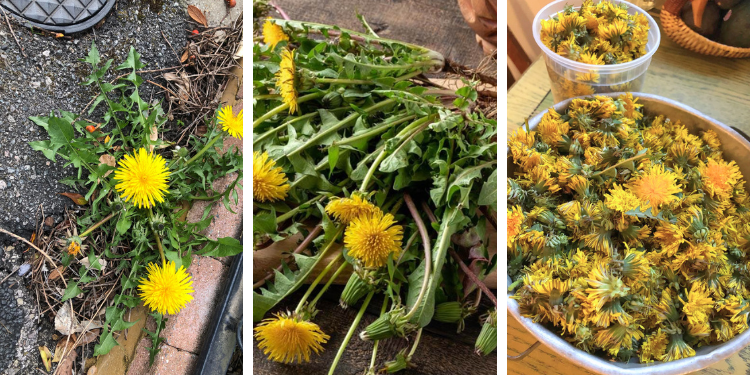
Every spring and summer, homeowners pull out lawnmowers, weeding tools, and herbicides to eliminate a familiar golden enemy: the dandelion (Taraxacum officinale).
Considered by suburban turf enthusiasts to be a persistent nuisance that ruins uniform green lawns, this deep-rooted plant is actually one of the most potent, nutrient-dense herbs in traditional herbalism.
Long before it was labeled a “weed,” the dandelion was cultivated across Europe, Asia, and North America as a valuable medicinal tonic and dietary staple.
Modern biochemical analysis confirms what ancient herbalists knew intuitively: far from being yard trash, every part of the dandelion – from its golden petals down to its deep taproot – is packed with active bio-compounds that support liver detoxification, bile production, mineral absorption, and bone density.
Before you dig up or spray the yellow blossoms growing in your yard, here is a look at the botanical science behind dandelion, how it directly benefits your liver and bones, and how to safely harvest and prepare it at home.
The Botanical Science of Dandelion (Taraxacum officinale)
The word dandelion originates from the French dent-de-lion, meaning “lion’s tooth,” referring to the sharply jagged edges of its leafy rosette.
Dandelions are biological dynamos designed by nature to thrive in compacted, nutrient-poor soils:
-
Deep Taproot Mining: A single dandelion plant sends a thick taproot deep into the soil – sometimes extending 6 to 18 inches below the surface. This long taproot acts as a natural mineral miner, drawing up calcium, magnesium, potassium, and iron from subsoil layers that shallow-rooted grass blades cannot reach.
-
Bitter Sesquiterpene Lactones: The milky latex sap inside dandelion stems and roots contains bitter compounds known as taraxacin and taraxasterol. When these bitter compounds hit taste receptors on the tongue, they trigger a parasympathetic nervous system response that stimulates digestive enzymes, gallbladder contraction, and liver detoxification pathways.
-
Rich Prebiotic Inulin: Dandelion roots store high concentrations of inulin, a soluble prebiotic fiber that feeds beneficial gut microbiota (Bifidobacteria), indirectly lowering systemic inflammation and optimizing mineral absorption for skeletal health.
How Dandelion Supports Your Liver
The liver is your body’s primary filtration organ, processing metabolic waste, neutralizing toxins, and metabolizing fats. Dandelion root and leaf work together to keep hepatic tissue functioning efficiently.
1. Stimulates Bile Production and Flow (Choleretic Effect)
Bile is a fluid produced by the liver and stored in the gallbladder that breaks down dietary fats and carries neutralized toxins out of the body through the digestive tract.
The bitter sesquiterpene lactones in dandelion root act as a powerful choleretic agent, signaling the liver to double its bile output while encouraging the gallbladder to flush out stored bile. This prevents bile stagnation, which can lead to gallstones and sluggish digestion.
2. Protects Against Fatty Liver Stagnation
Non-alcoholic fatty liver disease (NAFLD) occurs when excess fat accumulates in liver cells, causing localized inflammation and reduced organ efficiency.
Studies on dandelion root extract demonstrate that its antioxidant polysaccharides help neutralize lipid peroxidation in liver tissue, reducing fat accumulation and protecting liver cells (hepatocytes) from oxidative stress.
3. Enhances Phase II Liver Detoxification
Your liver clears waste through two main pathways: Phase I (neutralizing toxic molecules) and Phase II (binding those molecules to water-soluble compounds so they can be safely excreted).
Dandelion root extracts upregulate key Phase II enzymes like glutathione S-transferase, ensuring that metabolic waste products are cleared swiftly without re-entering the bloodstream.
How Dandelion Strengthens Your Bones
While most people focus on dairy products for bone health, leafy green dandelion greens offer superior mineral bioavailability along with crucial co-factor vitamins required for bone matrix deposition.
1. Exceptional Vitamin K1 Concentration
Calcium cannot build strong bones on its own; it requires Vitamin K1 to activate osteocalcin, the primary non-collagen protein that binds calcium ions directly into the bone matrix.
A single cup of fresh dandelion greens provides over 500% of the recommended daily intake of Vitamin K1, making it one of the densest plant sources on earth.
2. Bioavailable Calcium and Magnesium Ratio
Dandelion leaves contain roughly 100mg of calcium per cup, paired naturally with high levels of magnesium and phosphorus.
Unlike calcium supplements, which can sometimes settle in arterial walls if unabsorbed, the naturally balanced trace minerals in dandelion are easily recognized and absorbed by bone tissue.
3. Fights Osteoclast-Driven Bone Resorption
Bone health requires a balance between osteoblasts (cells that build bone) and osteoclasts (cells that break bone down).
Systemic inflammation accelerates osteoclast activity, leading to bone density loss (osteopenia or osteoporosis).
Dandelion’s rich suite of antioxidant flavonoids, including luteolin and cichoric acid, helps suppress pro-inflammatory cytokines, protecting existing bone density from premature degradation.
Nutritional & Functional Comparison: Dandelion vs. Common Greens
| Nutritional Metric (per 100g) | Dandelion Greens | Fresh Spinach | Kale |
| Vitamin K1 Content | 778 mcg (648% DV) | 483 mcg (402% DV) | 390 mcg (325% DV) |
| Calcium Content | 187 mg | 99 mg | 150 mg |
| Vitamin A (Beta-Carotene) | 10,161 IU | 9,377 IU | 4,812 IU |
| Iron Content | 3.1 mg | 2.7 mg | 1.5 mg |
| Hepatic Bile Stimulation | Extremely High (Bitter) | Low | Moderate |
| Prebiotic Inulin (in root) | Up to 45% by dry weight | Trace | Trace |
How to Harvest and Prepare Dandelion at Home
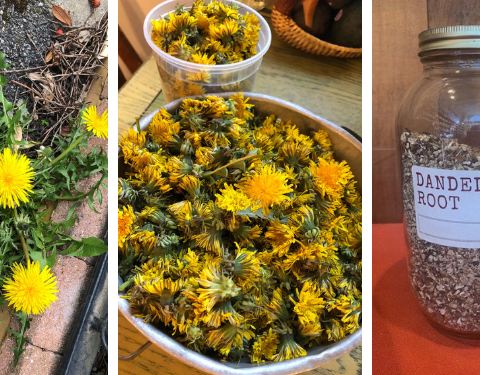
Before harvesting dandelions from your lawn, adhere to one absolute rule: never harvest from lawns treated with chemical herbicides, pesticides, or synthetic fertilizers, or from areas near busy roadways where vehicle exhaust settles.
Step-by-Step: Harvesting & Brewing Dandelion Root Tea
Culinary Tip for Dandelion Leaves: Younger spring dandelion leaves picked before the plant blooms are significantly less bitter. Toss tender leaves raw into fresh garden salads, or sauté older summer leaves with olive oil, minced garlic, and lemon juice to soften their bitter bite.
Safety Guidelines & Who Should Exercise Caution
While dandelion is safe for the majority of people, certain individuals should take precautions:
-
Bile Duct Obstructions: Because dandelion aggressively stimulates bile flow, individuals with acute gallstones, blocked bile ducts, or severe gallbladder inflammation should consult a healthcare provider before consuming concentrated root extracts.
-
Ragweed Allergies: Dandelion belongs to the Asteraceae (daisy) plant family. Those with severe allergies to ragweed, marigolds, or daisies may experience mild contact dermatitis or allergic reactions.
-
Diuretic Medications: Dandelion leaves act as a natural potassium-sparing diuretic (aquaretic). If taking prescription diuretics or blood pressure medications, check with your physician before drinking large quantities of dandelion leaf tea.
Next time you see golden dandelions dotting your lawn, pause before reaching for the weeding tool.
This resilient botanical powerhouse is one of nature’s finest gifts for protecting your liver, building strong bones, and adding free nutrient-dense greens to your kitchen table.