In search of effective, non-toxic household solutions, many people are returning to traditional, botanical remedies.
Among the most versatile and surprisingly powerful combinations circulating in eco-friendly home care circles is the simple pairing of white vinegar and bay leaves.
While distilled white vinegar has long been a staple for budget-friendly cleaning, its harsh, pungent smell can deter people from using it regularly.
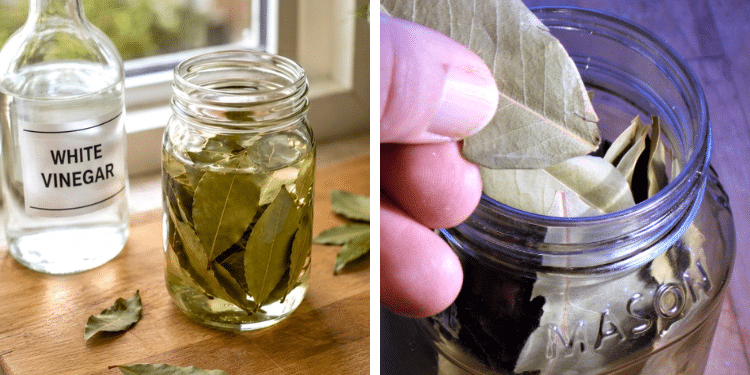
Infusing vinegar with dried or fresh bay leaves (Laurus nobilis) transforms it. The acidic liquid draws out the natural essential oils, active compounds, and aromatic fragrance of the bay leaves, resulting in an all-purpose household cleaner, natural pest repellent, odor neutralizer, and fabric refresher.
The Chemical Synergy: Why White Vinegar and Bay Leaves Work
Combining these two affordable ingredients creates a chemical synergy where each component enhances the strengths of the other:
Distilled White Vinegar: The Acidic Cleaning Agent
Standard household white vinegar is a dilute solution containing roughly 5% acetic acid.
-
Mineral & Limescale Dissolution: Acetic acid reacts with alkaline mineral deposits (such as calcium carbonate, breaking them down quickly to remove hard water stains, soap scum, and limescale.
-
Antimicrobial Action: The low pH (around 2.4) creates a harsh environment that neutralizes many common household bacteria, molds, and mildew spores on non-porous surfaces.
-
Grease Cutting: Vinegar cuts through stubborn kitchen grease, soap residue, and sticky grime without leaving synthetic films behind.
Bay Leaves: The Aromatic Pest Deterrent and Antibacterial Booster
Bay leaves are far more than just a culinary herb for soups and stews. The leaves contain a dense concentration of volatile essential oils and active phytochemicals:
-
Eucalyptol (1,8-Cineole): Comprising up to 50% of the essential oil in bay leaves, eucalyptol gives off a crisp, herbal, camphoraceous scent. It acts as a powerful natural insect repellent and possesses strong antibacterial and antifungal properties.
-
Eugenol and Linalool: Aromatic compounds that provide anti-inflammatory and antimicrobial benefits while helping mask the harsh, sharp odor of acetic acid.
-
Natural Insect Repellent: Many common crawling and flying pests – including ants, pantry moths, roaches, and silverfish – possess delicate sensory receptors that are overwhelmed by eucalyptol and eugenol, causing them to avoid areas treated with bay leaf extracts.
What Is It Good For? 5 Key Household Applications
1. Natural Pest Repellent for Kitchens, Pantries, and Baseboards
Pantry pests like weevils, flour beetles, ants, and cockroaches are drawn to food scraps and damp corners, but they despise the intense aroma of eucalyptol.
Wiping down pantry shelves, kitchen cabinets, countertops, and baseboards with a bay leaf-infused vinegar spray leaves behind an invisible micro-layer of aromatic essential oils.
It effectively disrupts pest pheromone trails, preventing ants and roaches from invading your food storage areas without spraying toxic chemical insecticides near your food.
2. Multi-Surface Kitchen and Bathroom Cleaner
Traditional commercial cleaners often contain synthetic fragrances, bleach, or harsh surfactants that can trigger respiratory irritation or skin sensitivity.
A 50/50 mix of bay leaf-infused vinegar and water serves as a highly effective all-purpose surface spray. Use it to clean glass, windows, stainless steel appliances, ceramic tiles, chrome faucets, and laminate countertops.
The vinegar cuts through soap scum and grease, while the bay leaf oils leave behind a subtle, woodsy, herbal fragrance instead of a pungent vinegar smell.
3. Eco-Friendly Mold, Mildew, and Odor Neutralizer
Because both acetic acid and eucalyptol exhibit natural antifungal properties, spraying this solution onto bathroom tile grout, shower curtains, window sills, and damp corners helps kill surface mold spores and prevent mildew from returning.
Furthermore, as the spray dries, the acetic acid evaporates, taking lingering airborne odors – such as pet smells, trash odors, or cooking fumes – with it, while the warm herbal notes of the bay leaves remain.
4. Fabric Refresher and Laundry Rinser
Hard water minerals and leftover detergent residues can cause clothes, towels, and bed linens to feel stiff and develop a musty damp smell.
Adding 1/2 cup of strained bay leaf-infused vinegar to your washing machine’s fabric softener dispenser works wonders:
-
The acetic acid neutralizes alkaline detergent buildup, softening fabric fibers naturally.
-
The anti-fungal properties eliminate the bacteria and mildew responsible for sour, musty towel odors.
-
It brightens whites and prevents dark clothes from fading without leaving synthetic chemical residues on sensitive skin.
5. Floor Cleaner and Trash Can Disinfectant
Garbage cans and recycling bins quickly become breeding grounds for bacteria, fruit flies, and foul odors. Spraying down the interior of trash bins with bay leaf vinegar disinfects the surface and repels fruit flies and gnats.
Diluted in a bucket of warm water (1 cup infused vinegar per gallon of warm water), it serves as an excellent natural mop solution for sealed hardwood, linoleum, and vinyl floors.
Practical Application Matrix
| Application Area | Primary Purpose | Dilution Ratio (Infused Vinegar : Water) | Recommended Frequency |
| Pantry & Cabinets | Insect & Ant Deterrent | Use Undiluted (or 2:1 mix) | Wipe down monthly |
| Countertops & Sinks | All-Purpose Cleaning & Degreasing | 1 part infused vinegar : 1 part water | Daily / As needed |
| Glass & Mirrors | Streak-Free Shine | 1 part infused vinegar : 2 parts water | Weekly |
| Laundry Rinse | Fabric Softener & Odor Removal | 1/2 cup Undiluted (into softener drawer) | Every laundry wash |
| Floor Mopping | Dirt Removal & Shine | 1 cup infused vinegar : 1 gallon warm water | Weekly |
How to Make Bay Leaf-Infused White Vinegar at Home
Creating your own batch at home is simple, inexpensive, and requires minimal setup. Follow these step-by-step instructions:
Critical Safety Rules and Surfaces to Avoid
While white vinegar is a safe, natural household ingredient, its acidic nature means it is not suitable for every surface in your home:
-
NEVER Use on Natural Stone (Granite, Marble, Slate, Quartz): Acetic acid will etch and dull the surface of natural stone tops, dissolving the calcium carbonate and sealant layers, leaving permanent cloudy spots.
-
Avoid Unsealed Hardwood Floors: Concentrated vinegar can break down the protective wax or polyurethane finish on hardwood floors over time. Always use a heavily diluted mix (1 cup per gallon of water) and avoid leaving standing moisture on wood.
-
Do NOT Mix with Chlorine Bleach: Crucial Safety Warning: Never mix vinegar (or any acid) with chlorine bleach. Combining them produces toxic chlorine gas, which causes severe respiratory damage and eye irritation.
-
Use Caution on Electronic Screens: Avoid spraying vinegar-based cleaners on television screens, smartphones, or computer monitors, as the acid can strip away delicate anti-glare and oleophobic coatings.
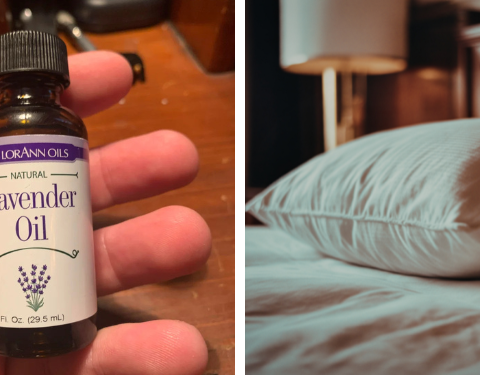
Pro-Tip on Customizing Your Scent: While bay leaves produce a wonderful herbal scent on their own, you can customize your infused vinegar by adding citrus peels (lemon, orange, or grapefruit) or a few sprigs of fresh rosemary or cloves to the jar during the 2-week infusion process. This adds extra degreasing power and a bright, fresh scent to your DIY cleaner.
Mixing white vinegar with bay leaves elevates two basic kitchen staples into a high-performance, non-toxic household solution.