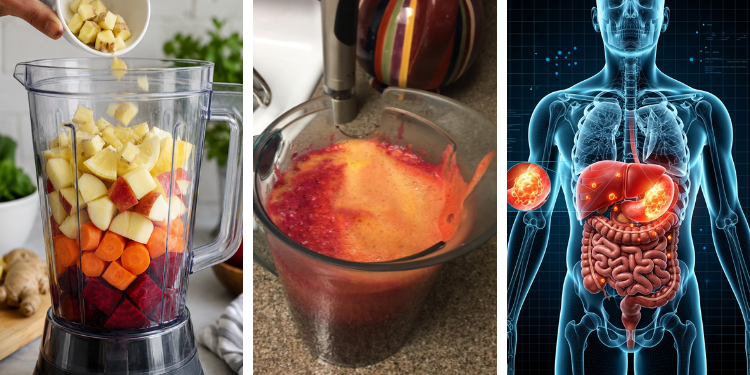
The liver is one of the most resilient and hardworking organs in the human body. Performing over 500 vital biological functions every single day, it acts as your primary metabolic factory, nutrient storehouse, and detoxification center.
From filtering blood arriving from the digestive tract to processing fats, neutralizing environmental chemicals, and storing essential vitamins, your liver never takes a break.
However, modern lifestyle factors – such as highly processed foods, excess refined sugars, environmental pollutants, and chronic stress – can place a heavy load on this vital organ.
Over time, an overworked liver can lead to sluggish digestion, low energy, skin dullness, and morning brain fog.
While the liver is naturally equipped to detoxify itself, providing it with specific micronutrients, organic antioxidants, and bioflavonoids can optimize these natural pathways.
Here is an in-depth look at how your liver processes toxins, why specific plant compounds support hepatic health, and a nutrient-dense, science-backed liver support juice recipe you can easily prepare at home.
The Biological Factory: How Your Liver Detoxifies
To understand how fresh plant juices support hepatic function, it helps to examine the two-phase enzymatic process your liver uses to neutralize harmful substances:
-
Phase I Detoxification (Cytochrome P450 Enzymes): In this initial phase, liver enzymes break down fat-soluble toxins, metabolic byproducts, and chemicals into intermediate compounds. While necessary, this process creates reactive oxygen species (ROS) and free radicals that can cause cellular stress if not swiftly neutralized.
-
Phase II Detoxification (Conjugation Pathways): In the second phase, the liver attaches specific molecules (such as glutathione, amino acids, or sulfur) to those toxic intermediates, making them water-soluble so they can be safely excreted from the body via bile or urine.
-
The Antioxidant Shield: For Phase I and Phase II to run smoothly without damaging liver tissue (hepatocytes), the body requires a constant supply of antioxidants – like betalains, vitamin C, polyphenols, and sulfur compounds – to scavenge free radicals.
Key Ingredients: The Botanical Science Behind the Juice
Rather than relying on harsh “detox cleanses” or synthetic laxatives, this liver support juice utilizes whole, raw botanical ingredients whose active compounds have been extensively studied for their hepatoprotective properties:
1. Red Beetroot (Beta vulgaris)
Beetroot is arguably the king of liver-supporting vegetables. Its deep crimson hue comes from betalains (specifically betanin), a class of nitrogen-containing antioxidants.
-
Bile Flow & Lipid Management: Betalains stimulate bile flow, aiding in the emulsification of dietary fats and preventing lipid accumulation within liver cells (hepatic steatosis).
-
Enzyme Support: Research shows betalains support glutathione S-transferase enzymes, which are vital for Phase II detoxification.
2. Carrots (Daucus carota)
Carrots are packed with beta-carotene (a precursor to Vitamin A) and falcarinol, a natural polyacetylene antioxidant.
-
Cellular Defense: Beta-carotene neutralizes free radicals generated during Phase I detox, protecting delicate liver cell membranes from lipid peroxidation.
3. Fresh Lemon (Citrus limon)
Lemon juice delivers high concentrations of ascorbic acid (Vitamin C) and the bioflavonoid hesperidin.
-
Glutathione Production: Vitamin C is essential for regenerating reduced glutathione, the body’s primary master antioxidant utilized during Phase II conjugation.
-
Citric Acid Activation: Natural citric acid stimulates digestive enzyme secretion in the stomach, reducing the digestive workload on the liver downstream.
4. Raw Ginger Root (Zingiber officinale)
Ginger contains powerful bioactive pungent compounds known as gingerols and shogaols.
-
Anti-Inflammatory Defense: Gingerols suppress pro-inflammatory signaling molecules, helping soothe low-grade tissue inflammation in the liver.
-
Circulatory Stimulation: Ginger enhances microvascular circulation, ensuring efficient delivery of oxygen and nutrients to liver tissues.
5. Green Apple (Malus domestica)
Green apples contribute natural sweetness along with high levels of malic acid and the soluble fiber pectin.
-
Bile Duct Smoothness: Malic acid helps soften bile and supports smooth flow through hepatic ducts.
-
Intestinal Binding: Pectin binds to heavy metals and dietary toxins in the gut, facilitating their elimination before they can enter the portal vein and strain the liver.
Botanical Ingredient Matrix
| Ingredient | Primary Bioactive Compound | Primary Targeted Function | Physiological Benefit |
| Red Beetroot | Betalains & Betaine | Phase II Detox & Bile Flow | Prevents fat accumulation; boosts glutathione |
| Carrot | Beta-Carotene & Falcarinol | Phase I Antioxidant Shield | Protects hepatocyte membranes from oxidative ROS |
| Lemon | Vitamin C & Hesperidin | Glutathione Regeneration | Enhances water-soluble toxin excretion |
| Ginger Root | Gingerols & Shogaols | Inflammatory Cascade Suppression | Soothes liver tissue; improves microcirculation |
| Green Apple | Malic Acid & Pectin | Heavy Metal Binding & Bile Flow | Prevents toxin reabsorption in the digestive tract |
The Ultimate “Golden-Crimson” Liver Support Juice Recipe
This recipe balances earthiness, citrus brightness, and a gentle spicy kick, yielding a nutrient-rich tonic designed for maximum absorption.
Ingredients Yield: 1 Large Serving (approx. 16oz)
-
1 medium red beet (scrubbed clean, ends trimmed; peel left on if organic)
-
3 large carrots (washed, tops removed)
-
1 crisp green apple (Granny Smith preferred, cored and quartered)
-
1 organic lemon (peeled, leaving some white pith for bioflavonoids)
-
1-inch knob of fresh ginger root (scrubbed)
-
Optional: 1/4 cup fresh cilantro or parsley leaves (delivers extra chlorophyll)
How and When to Drink This Juice for Best Results
To gain the greatest physiological benefit from this botanical juice, consider incorporating it into your routine using these guidelines:
-
Timing: Drink this juice on an empty stomach in the morning, roughly 20 to 30 minutes before breakfast. Drinking it without heavy solid foods in your stomach allows the water-soluble vitamins, betalains, and organic acids to pass quickly into the bloodstream.
-
Frequency: Enjoy this juice 3 to 4 times a week as part of a balanced diet rich in whole foods, cruciferous vegetables (like broccoli, brussels sprouts, and cabbage), and adequate hydration.
-
Chew Your Juice: Take small sips and swish the juice slightly in your mouth before swallowing. Salivary enzymes begin breaking down carbohydrates and initiating nutrient signaling before the liquid reaches your stomach.
Safety & Dietary Note: Because red beets are extremely rich in natural betalain pigments, do not be alarmed if your urine or stool takes on a pink or reddish tint after consuming this juice (a harmless phenomenon known as beeturia). Individuals with a history of calcium oxalate kidney stones should consult their physician before significantly increasing intake of high-oxalate foods like beets.
Supporting your liver does not require extreme starvation cleanses or unverified supplement regimens.
By consistently supplying your body with whole-food antioxidants, organic acids, and anti-inflammatory root extracts, you give your liver the exact raw materials it needs to carry out its daily protective work efficiently.