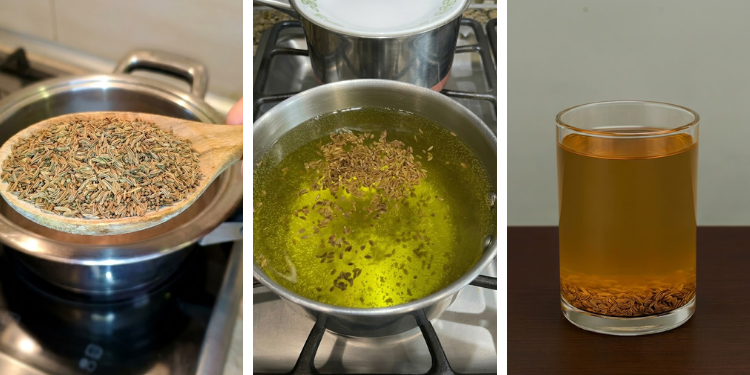
For thousands of years across South Asia, the Middle East, and the Mediterranean, a simple kitchen remedy has been served right after heavy meals or first thing in the morning on an empty stomach: Jeera Water (cumin seed tea).
Made by gently boiling one teaspoon of whole cumin seeds (Cuminum cyminum) in water, this traditional warm beverage is celebrated as an effective, natural, and low-cost digestive tonic.
While modern medicine frequently relies on synthetic antacids and enzymatic supplements to treat post-meal discomfort, functional medicine and clinical nutrition are turning back to time-tested phytotherapy.
Boiling whole cumin seeds extracts a powerhouse of bioactive compounds, volatile essential oils, and anti-inflammatory flavonoids directly into a bioavailable liquid form.
The Phytochemistry: What Happens When Cumin Simmers?
Cumin seeds are not merely aromatic culinary spices; they are concentrated biological storage vessels for essential oils, phenolic acids, and trace minerals.
When whole cumin seeds are simmered in water, heat breaks down the outer seed husk, allowing volatile compounds to dissolve into the water matrix.
Key active compounds released during the boiling process include:
1. Cuminaldehyde
The primary constituent of cumin essential oil, cuminaldehyde gives cumin its characteristic earthy scent.
Bio-physiologically, cuminaldehyde acts as a powerful digestive stimulant. It triggers salivary glands in the mouth and gastric glands in the stomach, signaling the body to ramp up digestive fluid secretion before food even reaches the small intestine.
2. Thymol
A well-studied natural monoterpene with potent carminative, antibacterial, and antispasmodic properties.
Thymol relaxes smooth muscle tissue throughout the gastrointestinal tract, preventing painful intestinal spasms, cramping, and trapped gas pockets.
3. Cymin and Terpenes
Secondary volatile oils including 𝛾-terpinene and 𝑝-cymene provide strong antioxidant activity, reducing oxidative stress and inflammation along the delicate mucosal lining of the stomach and intestinal walls.
5 Biological Benefits of Cumin Water for Your Stomach
1. Stimulates Pancreatic Enzyme Secretion
The speed and efficiency of your digestion depend directly on the production of digestive enzymes. When food lingers in the stomach due to low enzyme activity, it begins to ferment, producing gas, pressure, and acid reflux.
Clinical studies demonstrate that cuminaldehyde in cumin water stimulates the pancreas to secrete key digestive enzymes, including:
-
Pancreatic Lipase: Breaks down dietary fats and lipids.
-
Pancreatic Amylase: Converts complex starches and carbohydrates into simple sugars.
-
Trypsin and Chymotrypsin: Proteolytic enzymes responsible for breaking down proteins.
By accelerating enzyme output, cumin water ensures that proteins, fats, and complex carbs are digested rapidly, preventing post-meal heaviness.
2. Relieves Bloating, Flatulence, and Trapped Gas (Carminative Action)
Bloating occurs when trapped gas builds up in the stomach and intestines due to slow transit time or bacterial fermentation of undigested food.
Cumin is classified in pharmacognosy as a carminative – an herbal agent that prevents gas formation and facilitates its expulsion
. The volatile oils in warm cumin water relax the lower esophageal sphincter and smooth muscle walls of the stomach, allowing trapped air to pass naturally rather than causing painful abdominal distension.
3. Accelerates Gastric Emptying (Prevents Acid Reflux)
One of the main culprits behind gastroesophageal reflux (GERD) and heartburn is delayed gastric emptying.
When food remains in the stomach for too long, intra-gastric pressure rises, forcing stomach acid upward into the esophagus.
Drinking warm cumin water speeds up the rate at which the stomach empties its contents into the duodenum.
By reducing the time food sits in the gastric cavity, cumin water minimizes acid backflow and prevents that uncomfortable “sitting like a brick” sensation after rich or heavy dinners.
Gastrointestinal Mechanism Summary
| Biological Target | Active Cumin Compound | Physiological Effect | Symptom Relieved |
| Salivary & Gastric Glands | Cuminaldehyde | Triggers digestive juice secretion | Slow digestion & low appetite |
| Pancreas | Flavonoids & Essential Oils | Boosts lipase, amylase, & trypsin release | Poor nutrient breakdown & heaviness |
| Smooth Intestinal Muscle | Thymol | Smooth muscle antispasmodic relaxation | Intestinal cramps & sharp gas pain |
| Gastric Mucosa | Polyphenols & Antioxidants | Reduces mucosal inflammation & oxidative stress | Gastritis discomfort & sour stomach |
| Gut Microbiome | Antimicrobial Monoterpenes | Inhibits pathogenic bacteria overgrowth | Dysbiosis-induced bloating |
4. Soothes Stomach Cramps and IBS Symptoms
Irritable Bowel Syndrome (IBS) and functional dyspepsia are characterized by hyper-reactive smooth muscle contractions in the intestinal wall, causing sharp, unpredictable abdominal cramps.
The antispasmodic properties of thymol act similarly to over-the-counter peppermint oil capsules. By blocking excessive calcium influx into smooth muscle cells, cumin water relaxes gut wall contractions, providing rapid relief from nervous stomach aches and cramping.
5. Supports Gut Microbiome Balance
A healthy stomach relies on a balanced microbial environment. Pathogenic bacterial overgrowth in the stomach or small intestine (SIBO) ferments sugars rapidly, generating excessive hydrogen and methane gas.
Cumin essential oils possess selective antimicrobial properties. They inhibit the growth of harmful bacteria like Helicobacter pylori (a primary cause of gastric ulcers and chronic gastritis) while leaving beneficial probiotic strains intact.
Step-by-Step Protocol: How to Boil Cumin Water for Maximum Efficacy
To extract the maximum amount of essential oils without evaporating volatile terpenes, follow this precise brewing method:
Enhancing Your Cumin Water: Recommended Synergistic Additions
Depending on your specific stomach symptoms, you can customize your cumin tea with these natural botanical pairings:
-
For Heavy Nausea & Gas: Add 1/2 inch of freshly grated ginger root to the pot while boiling. Gingerols work synergistically with cuminaldehyde to settle severe nausea and speed up gastric transit.
-
For Acid Reflux & Acidic Burn: Add a pinch of fennel seeds (Foeniculum vulgare). Fennel provides a cooling, alkaline balance that coats the stomach lining.
-
For Constipation & Sluggish Motility: Stir in 1 teaspoon of raw organic honey and a squeeze of fresh lemon juice after straining. The citric acid stimulates liver bile flow, while honey offers mild osmotic bowel stimulation.
Safety Guidelines and Precautions
While cumin water is a gentle, food-grade herbal remedy safe for daily use, keep the following considerations in mind:
-
Surgery Precautions: Cumin can lower blood sugar levels and slow blood clotting slightly. Discontinue drinking high-concentration cumin teas two weeks prior to scheduled elective surgeries.
-
Pregnancy: Drinking mild cumin tea in culinary amounts (1 teaspoon per day) is generally considered safe for digestion during pregnancy; however, pregnant women should avoid medicinal over-consumption or concentrated cumin extracts.
-
Hypoglycemia Risk: Because cumin enhances insulin sensitivity, individuals taking prescription diabetes medication should monitor their blood glucose levels when integrating daily cumin infusions.
Boiling 1 teaspoon of cumin in water is a time-tested, science-backed habit that harnesses natural plant chemistry to relieve gas, boost digestive enzymes, and soothe an upset stomach naturally.