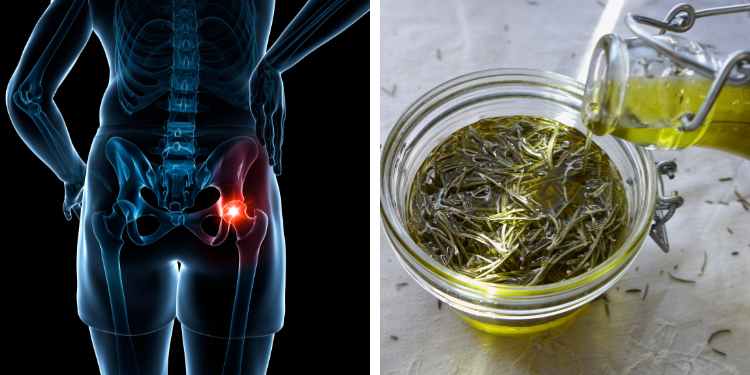
Long before modern pharmaceuticals occupied medicine cabinets, ancient civilizations revered rosemary (Salvia rosmarinus) as a sacred botanical.
Greek scholars wore woven rosemary garlands during exams to sharpen memory, while Roman physicians utilized its aromatic extracts to treat joint stiffness and circulatory ailments.
Today, rigorous biochemical research confirms what traditional healers knew for centuries: rosemary essential oil is an exceptional, multi-purpose therapeutic agent.
Extracted via steam distillation from the flowering tops and needle-like leaves of the shrub, rosemary oil contains a dense concentration of terpene compounds – including 1,8-cineole (eucalyptol), camphor, alpha-pinene, and rosmarinic acid.
These active bio-compounds interact directly with human physiological pathways to reduce inflammation, stimulate microcirculation, modulate neurotransmitters, and ease nervous tension.
The Biochemical Powerhouse Inside Rosemary Oil
The therapeutic versatility of rosemary oil stems from its unique phytochemistry. When applied topically or inhaled, its volatile aromatic molecules penetrate tissues and enter the bloodstream rapidly.
-
1,8-Cineole (Eucalyptol): Enhances cerebral blood flow, breaks up respiratory mucus, and increases cutaneous micro-circulation.
-
Rosmarinic Acid: A potent antioxidant and anti-inflammatory polyphenol that scavenges free radicals and suppresses pro-inflammatory cytokines.
-
Camphor: Acts as a mild counter-irritant, warming stiff joints, easing muscle spasms, and numbing localized pain receptors.
-
Alpha-Pinene: Exhibits natural neuroprotective and bronchodilator properties while inhibiting acetylcholinesterase, an enzyme that breaks down key memory neurotransmitters.
1. Revitalizing Thinning Hair and Promoting New Growth
Hair loss – whether driven by androgenetic alopecia (pattern baldness), stress-induced telogen effluvium, or poor scalp circulation – can be deeply frustrating.
Rosemary oil has emerged as a premier botanical remedy for scalp health and hair density.
-
DHT Inhibition: Dihydrotestosterone (DHT) is an androgen hormone that binds to hair follicles, causing them to shrink and produce progressively thinner strands over time. Terpenes in rosemary oil help block DHT binding at the follicle level.
-
Micro-Circulatory Boost: Rosemary oil stimulates blood flow in the dermal papilla. Increased blood circulation delivers vital oxygen and nutrients directly to dormant hair roots, encouraging them to enter the active growth (anagen) phase.
-
Clinical Efficacy: A landmark 2015 randomized clinical trial compared rosemary oil directly to 2% minoxidil (the active ingredient in conventional hair-growth treatments) for androgenetic alopecia. After six months, both groups demonstrated a statistically significant increase in hair count, with the rosemary group reporting far less scalp itching and irritation.
2. Soothing Aching Joints and Muscular Soreness
For those suffering from osteoarthritis, rheumatoid stiffness, or post-workout muscular ache, topical application of rosemary oil provides immediate warming relief and long-term anti-inflammatory support.
-
Natural Analgesic Action: The camphor and 1,8-cineole in rosemary oil act as natural analgesics. When massaged into sore knees, shoulders, or lower back muscles, the oil creates a gentle warming sensation that distracts pain signals sending messages to the brain.
-
Inhibition of Inflammatory Enzymes: Rosmarinic acid inhibits key inflammatory enzymes (COX-2 and lipoxygenase), helping to reduce joint swelling, fluid accumulation, and morning stiffness.
3. Sharpening Memory, Focus, and Cognitive Performance
“There’s rosemary, that’s for remembrance,” wrote Shakespeare in Hamlet—a literary nod to an ancient truth now validated by modern neuroscience.
-
Acetylcholinesterase Inhibition: To retain information and maintain sharp focus, your brain relies on a neurotransmitter called acetylcholine. Rosemary oil inhibits acetylcholinesterase, the enzyme responsible for breaking down acetylcholine. Higher levels of circulating acetylcholine translate to faster recall, improved alertness, and better mental stamina.
-
Increased Cerebral Circulation: Inhaling diffuse rosemary aroma increases blood velocity in the carotid arteries, delivering fresh oxygen and glucose to cerebral tissues during demanding cognitive tasks.
Rosemary Oil Therapeutic Profile & Mechanisms
| Area of Benefit | Primary Active Compound | Biological Mechanism | Typical Application Method |
| Hair Density | 1,8-Cineole, Carnosic Acid | Blocks localized DHT binding & boosts scalp capillary circulation | Topical scalp oil massage (diluted) |
| Joint & Muscle Relief | Camphor, Rosmarinic Acid | Suppresses COX-2 enzymes & desensitizes pain receptors | Topical warming joint rub |
| Memory & Focus | Alpha-Pinene, 1,8-Cineole | Inhibits acetylcholinesterase to maintain neurotransmitter levels | Aromatherapy diffusion / inhalation |
| Stress & Cortisol | Linalool, Terpinen-4-ol | Lowers salivary cortisol & calms sympathetic nervous system | Inhalation or diluted bath soak |
| Sleep Quality | Camphene, Borneol | Eases physical muscular tension prior to bed | Evening aromatherapy blend |
4. Lowering Stress and Calming Cortisol Levels
Living in a state of chronic mental stress keeps the body’s sympathetic nervous system (“fight or flight”) activated, driving up serum cortisol levels, elevating heart rate, and triggering systemic inflammation.
-
Cortisol Reduction: Research in psychoneuroendocrinology demonstrates that inhaling rosemary essential oil for as little as 5 minutes significantly lowers salivary cortisol levels.
-
Autonomic Balance: The aromatic vapors interact with the olfactory bulb and limbic system – the brain’s emotional center – inducing a calm, balanced state without causing heavy sedation or daytime drowsiness.
5. Improving Sleep Quality and Restfulness
While rosemary is known for daytime alertness, its ability to ease physical muscle tension and lower stress hormones makes it a surprisingly effective component of a nighttime sleep routine.
-
Muscle Relaxation: When applied topically in a warm evening bath or massage, rosemary oil relaxes tight, overworked muscle groups that often cause tossing and turning.
-
Synergistic Evening Blends: When paired with calming essential oils like lavender, Roman chamomile, or cedarwood, rosemary oil helps quiet a racing mind, preparing the central nervous system for deep, restorative sleep.
6. Respiratory Support and Clear Breathing
Seasonal allergies, cold symptoms, and indoor air pollutants can congest airways and leave you feeling sluggish.
-
Antispasmodic Bronchodilator: Inhaling steam infused with rosemary oil helps relax bronchial smooth muscle, opening airways.
-
Mucolytic Clearing: The high 1,8-cineole content thins thick mucus secretions in nasal passages and sinuses, allowing your body to clear congestion naturally.
How to Safely Use Rosemary Oil at Home
Essential oils are highly concentrated botanical extracts. Follow these practical steps to prepare and use rosemary oil safely for optimal results:
From restoring thinning hair density and easing stiff joints to sharpening memory and taming daily stress, rosemary essential oil remains one of nature’s most versatile, time-tested natural remedies.