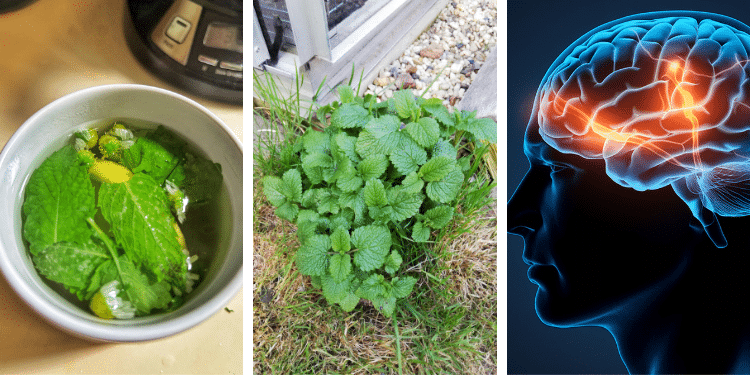
For centuries, traditional herbalists across Europe and the Mediterranean referred to lemon balm (Melissa officinalis) as the “gladdening herb.”
Renowned for its uplifting lemon scent and gentle restorative properties, this perennial member of the mint family (Lamiaceae) has been cultivated for over two thousand years as a staple of natural wellness.
In today’s fast-paced world – where chronic stress, digital fatigue, late-night screen time, and digestive tension have become common daily challenges – simple botanical rituals offer a powerful reset.
While lemon balm can be taken in various forms, drinking just one warm cup of lemon balm tea a day provides a bioavailable, steady infusion of active phytochemicals that work in harmony with your body’s natural chemistry.
The Botanical & Chemical Profile of Lemon Balm
When fresh or carefully dried lemon balm leaves are steeped in hot water, heat releases a rich matrix of bioactive compounds, essential volatile oils, and protective antioxidants into the liquid:
-
Rosmarinic Acid: A powerful polyphenol and antioxidant that easily crosses the blood-brain barrier. It plays a central role in modulating neurochemistry by inhibiting the breakdown of GABA (gamma-aminobutyric acid), your brain’s principal calming neurotransmitter.
-
Citral, Citronellal, and Geraniol: Volatile terpenes responsible for lemon balm’s bright, citrus fragrance. These aromatic compounds possess natural antispasmodic properties that relax smooth muscle tissue in the digestive tract.
-
Caffeic and Ferulic Acids: Hydroxycinnamic acids that act as potent free-radical scavengers, helping shield vascular walls and tissues from oxidative damage.
-
Flavonoids (Luteolin, Quercetin, and Apigenin): Plant compounds known for reducing systemic inflammation and soothing the lining of the stomach and intestines.
8 Things That Happen to Your Body with Daily Lemon Balm Tea
1. Rapid Preservation of Brain GABA for Nervous System Calm
When daily demands overwhelm your nervous system, your body’s sympathetic (“fight or flight”) response takes over, triggering elevated heart rates, muscle tightness, and mental racing. GABA acts as your brain’s natural brake pedal, slowing down overactive nerve firings.
Under normal conditions, an enzyme called GABA transaminase breaks down GABA in the brain. The rosmarinic acid in lemon balm inhibits this enzyme, allowing GABA to linger longer in synaptic gaps.
Within 30 to 60 minutes of sipping a warm cup, your body shifts toward parasympathetic (“rest and digest”) dominance, lowering internal tension without causing heavy mental sluggishness.
2. Shorter Sleep Latency and Deeper Nighttime Rest
Sleep troubles rarely stem from physical fatigue alone; more often, an overactive mind prevents the body from settling down. Drinking a warm cup of lemon balm tea approximately 45 minutes before bed helps ease this transition.
Clinical studies demonstrate that lemon balm helps reduce sleep latency – the exact time it takes to drift off – while decreasing middle-of-the-night awakenings.
The gentle thermal warmth of the tea also causes a subtle initial rise in core body temperature, followed by a natural cooling phase that signals to your circadian rhythm that it is time to sleep.
3. Soothing of Stress-Induced Digestive Upset and Bloating
The gut and the brain communicate constantly through the vagus nerve along the gut-brain axis. Emotional stress almost instantly manifests in the digestive tract, causing gut spasms, painful trapped gas, slow motility, and nervous bloating.
The volatile terpenes (citral and geraniol) in lemon balm act as natural carminatives. They relax the smooth muscular walls of the stomach and intestines, easing painful spasms and encouraging trapped gas to dissipate.
Drinking a warm cup shortly after a meal helps your body break down food smoothly and comfortably.
4. Enhanced Focus, Memory, and Cognitive Speed
While lemon balm is celebrated for its calming qualities, it does not dull mental sharpess. In fact, European human clinical trials have shown that lemon balm extract improves cognitive performance, alertness, and working memory recall speed.
Lemon balm compounds bind directly to muscarinic and nicotinic acetylcholine receptors in the brain.
Acetylcholine is the primary neurotransmitter involved in memory formation, focus, and information processing.
Sipping lemon balm tea during an afternoon slump provides a quiet, steady mental clarity without the jitters, anxiety, or crash typical of high-caffeine energy drinks.
5. Relief from Stress-Induced Muscle Tension and Palpitations
When anxiety peaks, physical symptoms often follow: tight shoulders, a clenched jaw, or an uncomfortable fluttering sensation in the chest (nervous heart palpitations).
The combination of GABA preservation and smooth-muscle-relaxing terpenes in lemon balm helps tone down peripheral nerve signaling.
As physical tension leaves your muscles, heart rate variability improves, allowing your cardiovascular system to return to a calm, steady rhythm.
6. Systemic Antioxidant Protection Against Free Radicals
Every day, environmental pollutants, poor nutrition, and psychological stress create reactive oxygen species (ROS) in the body. Unchecked, these free radicals cause oxidative stress, damaging cell membranes and accelerating cellular aging.
The high concentration of rosmarinic, caffeic, and ferulic acids in lemon balm provides a rich pool of antioxidants that neutralize free radicals before they can harm tissues.
Regular daily consumption reinforces your body’s baseline antioxidant capacity, supporting long-term vascular and skin health.
7. Natural Support for Premenstrual and Hormonal Tension
For women experiencing monthly hormonal shifts, premenstrual tension often brings a combination of mood swings, irritability, lower abdominal cramping, and fluid retention.
Drinking warm lemon balm tea during the luteal phase of the menstrual cycle targets both the physical and emotional aspects of PMS.
Its antispasmodic action relaxes uterine muscle contractions to alleviate mild cramping, while its GABA-modulating effects help smooth out stress and irritability.
8. Mild Antiviral and Immune Defense
Lemon balm has long been studied for its natural antiviral properties, particularly against enveloped viruses such as Herpes simplex (the virus responsible for cold sores).
The caffeic, rosmarinic, and ferulic acids in the leaves help inhibit viral attachment to host cells. While drinking tea is an internal wellness practice rather than a topical treatment, the steady intake of anti-inflammatory polyphenols supports your immune system’s daily surveillance against common seasonal bugs.
Daily Systems Impact Summary
| Body System | Key Botanical Compound | Primary Physiological Effect |
| Central Nervous System | Rosmarinic Acid | Inhibits GABA breakdown; lowers stress response |
| Sleep Architecture | Citronellal & Terpenes | Reduces time to fall asleep; prevents night awakenings |
| Gastrointestinal Tract | Citral & Geraniol | Relaxes intestinal smooth muscle; reduces gas & bloating |
| Cognitive Function | Acetylcholine Binding | Enhances memory recall, processing speed, and focus |
| Cardiovascular System | Flavonoids & Polyphenols | Eases nervous muscle tension and heart palpitations |
| Immune Health | Caffeic & Ferulic Acids | Provides antioxidant defense and mild antiviral action |
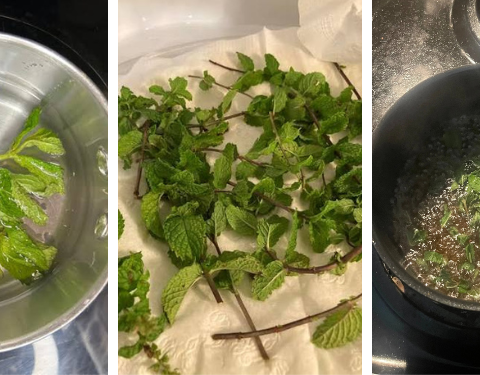
How to Brew Lemon Balm Tea to Retain Essential Oils
To ensure you get the maximum therapeutic value from every cup, proper brewing technique is essential.
The active terpenes that give lemon balm its calming power are delicate and volatile – if you boil or steep improperly, these compounds will evaporate into the air.
Safety Guidelines, Precautions, and Considerations
While lemon balm tea is exceptionally safe for the vast majority of healthy adults, a few important health considerations apply:
-
Thyroid Considerations (Hypothyroidism / Hashimoto’s): In laboratory settings, high concentrations of lemon balm extracts have been shown to inhibit thyroid-stimulating hormone (TSH) from binding to its receptors. If you have an underactive thyroid or take thyroid hormone replacement medication (such as levothyroxine), consult your healthcare provider before making daily lemon balm tea a permanent routine.
-
Sedative & Anti-Anxiety Medications: Because lemon balm naturally enhances GABA activity, combining it with prescription sedatives, sleep medications, or anti-anxiety drugs (such as benzodiazepines) may compound drowsiness.
-
Surgical Procedures: Due to its mild central nervous system calming effect, it is recommended to pause drinking lemon balm tea at least two weeks prior to scheduled medical procedures requiring general anesthesia.
Herbal Blending Tip: Lemon balm pairs beautifully with other classic wellness botanicals. Combine equal parts lemon balm and peppermint for maximum post-meal digestive comfort, or blend lemon balm with chamomile and passionflower for an effective, restorative nighttime sleep brew.
Adding just one warm cup of lemon balm tea to your daily ritual is a simple, effective way to nourish your body and calm a busy mind.