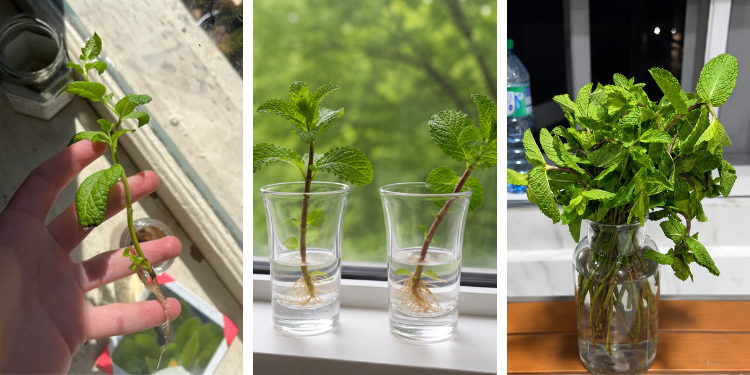
Few sensory pleasures match the experience of walking into a kitchen and brushing past a clutch of fresh mint leaves, releasing an instant wave of clean, sweet, and uplifting fragrance.
Mint is one of the world’s most beloved herbs, essential for everything from soothing evening teas and refreshing summer beverages to bright Mediterranean salads and savory sauces.
Yet, keeping a steady supply of fresh mint can be surprisingly frustrating. Grocery store plastic clamshells go slimy within days, and planting mint directly in the ground can feel like a dangerous gamble, as its aggressive underground runners – known as stolons – can rapidly overrun an entire backyard garden.
Fortunately, there is a simple, neat, and highly effective alternative: growing mint hydroponically in a glass of water.
By bypassing the soil entirely, you eliminate the risk of invasive garden takeover, keep messy dirt away from your kitchen counters, and banish common soil-borne pests.
Best of all, this straightforward indoor gardening technique works wonderfully in any season, giving you an endless, year-round harvest of crisp mint leaves right on your windowsill.
1. The Science of Water Propagation: Why Mint Thrives Without Soil
For many people, the idea of growing a plant permanently in a simple container of water feels like a magic trick. We are accustomed to thinking of soil as a fundamental requirement for plant life.
In reality, soil is merely a structural anchor and a physical vessel that holds nutrients and moisture. Plants absorb their food dissolved in water; as long as they receive adequate hydration, oxygen, and essential minerals, soil is completely optional.
Mint (Mentha) is uniquely suited to this water-only, or hydroponic, lifestyle due to its natural evolutionary adaptations:
-
Vigorous Auxin Distribution: Mint stems possess a exceptionally high concentration of auxins, the natural plant hormones responsible for driving root development. When a mint stem is severed and placed in water, these auxins rush down to the wound, triggering rapid cellular transformation to produce roots in just a matter of days.
-
Riparian Evolution: In the wild, wild mint varieties naturally evolve along riverbanks, marshy wetlands, and damp stream beds. Their cellular structure is highly adapted to water-saturated, low-oxygen conditions, making them uniquely resistant to the root rot that would quickly suffocate and kill other common culinary herbs like rosemary or thyme.
2. Choosing Your Mint Variety
Before setting up your indoor water garden, it helps to know which type of mint suits your culinary tastes.
While all members of the Mentha family grow exceptionally well in water, different varieties offer distinct flavor profiles:
Spearmint (Mentha spicata)
The standard choice for most home cooks, spearmint has a sweet, refreshing, and relatively mild flavor.
It contains a lower concentration of menthol compared to peppermint, making it the perfect all-around choice for muddling into beverages, tossing into cucumber salads, or garnishing Thai dishes.
Peppermint (Mentha × piperita)
If you prefer a sharp, icy punch of flavor, peppermint is your best bet. A natural hybrid of spearmint and watermint, it boasts a very high menthol content that leaves a distinct cooling sensation on the palate. It is fantastic for brewing soothing medicinal teas and pairing with rich chocolate desserts.
3. The Windowsill Water Garden Checklist
Setting up a perpetual water-grown mint harvest requires minimal equipment. You likely already have everything you need lying around your home:
| Required Component | Ideal Selection | Purpose / Role in Growth |
| Mint Cuttings | 4-to-6-inch healthy stems | The structural starting point for your new clones |
| Growth Container | Clear glass jars, vials, or test tubes | Holds water and lets light hit the stems while allowing root viewing |
| Water Source | Filtered tap water, rainwater, or distilled water | Delivers hydration without heavy chlorine or chemical burn |
| Lighting Location | Bright, indirect eastern or western windowsill | Provides the energy needed for photosynthesis without overheating |
| Nutrient Boost | Liquid organic hydroponic fertilizer | Supplies essential minerals that pure water lacks over time |
4. Setting Up Your Mint Water Jar
Transforming a simple cutting into a thriving, perpetual water-grown herb is an easy process.
By following this systematic timeline, you can successfully establish your own windowsill mint garden:
5. Maintenance Secrets for Endless, Multi-Year Leaf Harvests
While mint will happily sprout roots in pure water and live comfortably for a few weeks, keeping it growing vigorously for months or years requires a little ongoing care.
Feed Your Water-Grown Mint
Pure tap water contains trace minerals, but it lacks the macro-nutrients – nitrogen, phosphorus, and potassium –found in healthy garden soil.
After your cuttings have developed a robust, white network of roots (usually around week three), add two to three drops of liquid hydroponic fertilizer to the jar every other week. This gives the plant the fuel it needs to push out lush, aromatic new leaves rather than stalling out.
Master the Pinch-Harvest Technique
To keep your mint bushy and productive, never harvest by pulling off individual leaves one by one. This leaves bare, woody stems that eventually lose vigor.
Instead, always harvest by snipping the main stem just above a set of leaf nodes.
This simple snip alters the plant’s hormonal balance, prompting the two dormant buds directly below the cut to activate and sprout into two brand-new, leafy stems.
Regular harvesting essentially doubles your future yields, keeping the plant compact, bushy, and perpetually young.
Pro Tip: Keep an eye out for flower buds. If your mint tries to bloom, pinch those flower heads off immediately. Flowering shifts the plant’s energy away from leaf growth and can introduce a bitter, woody note to the essential oils in the foliage.
6. Troubleshooting Common Pitfalls
Even though mint is incredibly resilient, indoor water gardens can occasionally run into minor hitches. Here is how to spot and fix issues before they threaten your harvest:
Green Slime and Algae Buildup
Because clear glass exposes water and nutrients directly to sunlight, single-celled algae spores will eventually take up residence, coating your jar walls and roots in a slippery green film.
While a small amount of algae is harmless, a heavy buildup competes with your mint for nutrients and starches the roots of oxygen.
-
The Fix: Simply take the mint out of the jar, thoroughly scrub the glass clean with warm soapy water, rinse the roots gently under a running tap, and refill with fresh water. If algae is a persistent issue, try switching to an opaque ceramic jar or wrapping a decorative piece of paper around your glass jar to block out excess light.
Shriveled, Brown, or Squishy Roots
Healthy water-grown mint roots should be crisp, firm, and bright white or light cream in color. If you notice the roots turning a dark translucent brown, feeling mushy, or giving off a sour, swampy odor, your plant is suffering from hypoxia (lack of oxygen).
-
The Fix: Trim away the rotted brown sections with a clean pair of scissors, wash the container thoroughly, and increase the frequency of your water changes to keep the environment fresh and well-oxygenated.
By taking the time to set up a few simple jars on a sunny windowsill, you can transform a handful of basic kitchen trimmings into an elegant, highly productive indoor herb garden.