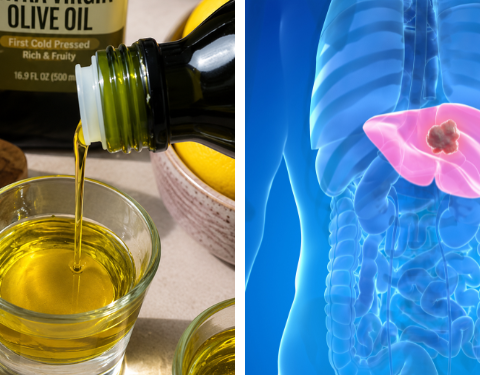
For many health conditions, the body acts like an early warning system. An aching joint signals inflammation, a persistent cough points to a respiratory irritation, and a sharp spike in temperature alerts you to an ongoing infection.
But when it comes to hypercholesterolemia – the medical term for high cholesterol – the body remains entirely silent.
This total lack of immediate physical symptoms is precisely why cardiologists refer to high cholesterol as a “stealth factor” in cardiovascular disease.
Millions of individuals walk around every single day feeling completely energetic and healthy, entirely unaware that circulating waxy fats are quietly remodeling the inner mechanics of their circulatory system.
By the time physical warning signs actually do appear, the underlying cardiovascular changes are often advanced.
Understanding this silent mechanism is the first step toward reclaiming control.
Transitioning your daily routine from reactive treatment to proactive prevention through ten evidence-based, heart-healthy habits can easily stabilize your lipid profile and significantly protect your long-term cardiovascular health.
The Silent Mechanic: How Cholesterol Moves Through the Bloodstream
To understand why high cholesterol lacks obvious physical symptoms, it helps to examine how lipids interact with your blood vessels.
Cholesterol itself isn’t a poison; it’s a vital structural fat manufactured naturally by your liver. Your body relies on it to build cellular membranes, produce essential hormones like estrogen and testosterone, and synthesize vitamin D from sunlight.
Because cholesterol is a fat, it cannot dissolve in water-based blood. To travel through your body, it must hitch a ride inside microscopic protein-wrapped packages called lipoproteins.
-
Low-Density Lipoprotein (LDL): Often labeled “bad” cholesterol, LDL acts as a delivery truck, carrying lipids from the liver out to the rest of the body. When circulating LDL levels climb too high, the excess particles begin to seep into the inner lining of your arteries.
-
High-Density Lipoprotein (HDL): Known as “good” cholesterol, HDL acts as a cleanup crew. It scours the bloodstream, gathering up stray cholesterol particles and hauling them back to the liver to be broken down and safely excreted.
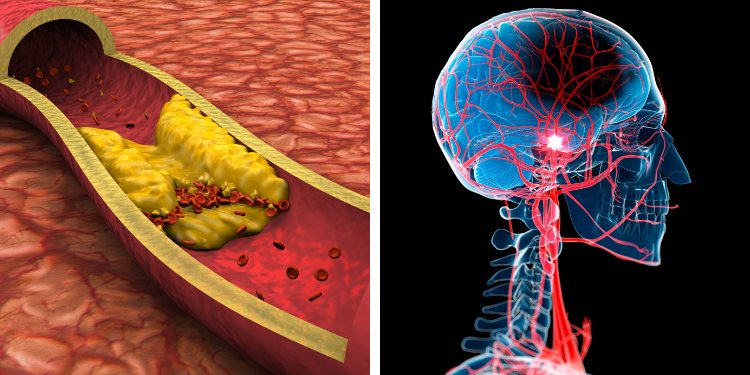
The dangerous structural shift happens inside the arterial wall itself. When excess LDL particles get trapped in the blood vessel lining, they undergo oxidation (combining with unstable oxygen molecules). This triggers an immune response, drawing white blood cells to the area.
Over decades, this slow accumulation of fats, immune cells, and calcium hardens into a stiff, fatty substance known as atherosclerotic plaque.
Because arteries are highly flexible and expandable, plaque can narrow the interior of a blood vessel by 30%, 50%, or even 70% without ever restricting resting blood flow enough to cause pain or fatigue.
The process is completely painless until the plaque either grows large enough to completely choke off an artery, or ruptures suddenly, forming a localized blood clot that triggers a heart attack or stroke.
Because you cannot feel plaque building up, a comprehensive blood test known as a lipid panel remains the only reliable way to know your numbers.
10 Heart-Healthy Habits to Protect Your Arteries
While genetic predispositions certainly influence how your liver processes fats, the vast majority of individuals possess immense power to alter their lipid trajectories.
Implementing these ten core habits can optimize your cholesterol levels and actively reinforce your blood vessels.
1. Flood Your Diet with Soluble Fiber
Soluble fiber is one of your most powerful dietary weapons against elevated LDL cholesterol. Found in abundance in foods like oats, barley, kidney beans, Brussels sprouts, and pears, this unique fiber dissolves in water to form a thick, gelatinous gel inside your digestive tract.
As this gel moves through your small intestine, it acts like a sponge, binding directly to cholesterol-rich bile acids.
Because your body cannot absorb the bound fiber gel, it safely carries the trapped cholesterol out of your body through elimination.
This forces your liver to pull existing LDL cholesterol out of your bloodstream to manufacture new bile acids, naturally lowering your circulating numbers. Strive for at least 10 to 15 grams of pure soluble fiber every single day.
2. Prioritize Monounsaturated and Polyunsaturated Fats
The old dietary advice to avoid all fats is thoroughly outdated. Your cardiovascular system actively thrives on healthy fats.
Replacing life-shortening trans fats and excess saturated fats with monounsaturated and polyunsaturated fats significantly improves your lipid ratios.
Focus heavily on clean, unrefined sources:
-
Extra Virgin Olive Oil: Packed with oleic acid, a monounsaturated fat that protects LDL particles from oxidation.
-
Avocados: Provide healthy fats paired with plant sterols that actively block cholesterol absorption in the gut.
-
Nuts and Seeds: Walnuts, almonds, and chia seeds offer a potent dose of essential fatty acids that support arterial flexibility.
3. Embrace Omega-3 Fatty Acids
Omega-3 fatty acids are a specialized class of polyunsaturated fats that offer immense cardiac protection.
While they don’t radically change your raw LDL score, they dramatically lower triglycerides (another dangerous fat circulating in the blood) and stabilize your heart’s electrical rhythms.
Aim to consume oily cold-water fish like salmon, mackerel, sardines, or albacore tuna at least twice a week.
Omega-3s work by reducing the liver’s production of triglyceride-carrying lipoproteins while simultaneously dampening systemic vascular inflammation, making existing arterial plaques significantly less likely to rupture.
4. Eliminate Ultra-Processed Foods and Trans Fats
Industrial trans fats – often listed on ingredients panels under the hidden alias “partially hydrogenated oils” – are uniquely destructive to human cardiovascular health.
They pull off a dangerous double-negative: they actively drive up your damaging LDL levels while simultaneously crashing your protective HDL numbers.
While regulatory bans have eliminated trans fats from many foods, they can still linger in ultra-processed snacks, commercial baked goods, fried fast foods, and certain margarines.
Eliminating these engineered items closes a major loophole for arterial damage.
5. Engage in Regular Cardiovascular Exercise
Physical activity is one of the very few natural lifestyle interventions capable of actively boosting your HDL (good) cholesterol levels.
Aerobic exercises like brisk walking, cycling, swimming, or rowing stimulate the production of enzymes that help move LDL from the bloodstream back to the liver for disposal.
| Exercise Intensity | Recommended Duration | Primary Impact on Lipid Profile |
| Moderate Aerobic (e.g., Brisk Walking, Cycling) | 150 minutes per week | Lowers circulating triglycerides; increases LDL particle size (making them less dangerous) |
| Vigorous Aerobic (e.g., Running, Lap Swimming) | 75 minutes per week | Drives significant increases in protective HDL levels |
| Resistance Training (e.g., Weightlifting) | 2–3 days per week | Enhances overall metabolic rate; aids long-term weight management |
6. Maintain a Contextually Healthy Weight
Carrying excess body fat, especially around your midsection, alters how your liver synthesizes and clears lipids from your blood.
Excess adipose (fat) tissue increases the amount of free fatty acids heading straight to your liver, driving up the production of dangerous, very-low-density lipoproteins (VLDL).
Losing even a modest 5% to 10% of your total body weight has been clinically proven to produce a meaningful drop in LDL cholesterol, a sharp decline in triglycerides, and a corresponding rise in protective HDL.
7. Quit Smoking and Avoid Secondhand Smoke
Smoking tobacco inflicts immediate, severe structural damage on your entire circulatory loop. A volatile chemical compound in tobacco smoke called acrolein is rapidly absorbed into the bloodstream, where it attacks and alters the structure of circulating HDL particles.
This leaves your HDL completely broken and unable to haul excess cholesterol away from your heart. Quitting tobacco reverses this damage with astonishing speed: within just 20 minutes of your last cigarette, blood pressure normalizes, and within less than a single year of quitting, your overall heart disease risk drops by a staggering 50%.
8. Moderate and Manage Alcohol Intake
The relationship between alcohol and your heart is highly dependent on dosage. While minor, occasional alcohol consumption can slightly elevate HDL levels, drinking beyond moderate guidelines (more than one standard drink per day for women, or more than two for men) triggers adverse lipid effects.
Excess alcohol is rapidly metabolized by the liver into triglycerides, flooding your bloodstream with excess fats and stressing your liver cells, which compromises their ability to filter out dangerous LDL particles.
9. Optimize and Prioritize Deep Sleep
Sleep is your body’s dedicated window for metabolic repair and hormonal regulation. Chronic sleep deprivation (regularly getting fewer than six hours of sleep per night) disrupts two key appetite-regulating hormones: ghrelin and leptin.
This hormonal imbalance triggers intense biological cravings for high-fat, ultra-processed, sugary foods the following day.
Additionally, poor sleep quality elevates circulating cortisol (stress hormone) levels, which signals the liver to release more glucose and fats into the bloodstream. Strive for seven to eight hours of high-quality, uninterrupted rest each night.
10. Incorporate Natural Plant Sterols and Stanols
Plant sterols and stanols are naturally occurring organic compounds found in small amounts in fruits, vegetables, whole grains, and legumes.
Because their chemical structure looks almost identical to human cholesterol, they act as brilliant decoys in your digestive system.
When you consume them, they actively compete with cholesterol for binding sites along your intestinal wall, effectively blocking real cholesterol from slipping into your bloodstream.
Consuming roughly 2 grams of plant sterols or stanols daily can reduce overall LDL cholesterol absorption by up to 10%.
How to Establish a Heart-Healthy Routine
Transitioning your lifestyle to protect your arteries doesn’t require a radical, overnight overhaul of your entire life.
Attempting to change everything at once frequently leads to burnout and a return to old habits. Instead, use a structured, progressive method to build permanent cardiac protection:
Because high cholesterol operates completely in the shadows, waiting for physical warning signs to appear is a dangerous strategy. Embracing a proactive, lifestyle-first approach puts you back in the driver’s seat.