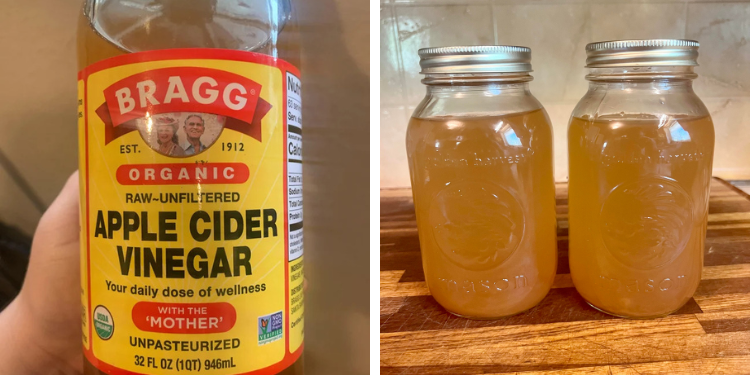
Most people view apple cider vinegar (ACV) through a narrow lens: it is either a sharp ingredient for a salad vinaigrette or a popular wellness shot to support digestion.
But when apple juice undergoes its two-stage fermentation process – first turning sugars into alcohol via yeast, and then converting that alcohol into acetic acid via Acetobacter bacteria – it develops a unique chemical profile.
Unfiltered, raw apple cider vinegar contains the “Mother,” a cloudy matrix of beneficial proteins, enzymes, and friendly bacteria.
Because of its specific pH level, natural astringency, and antimicrobial properties, raw ACV is a highly versatile household, garden, culinary, and personal care asset.
Beyond the standard advice to drink it with warm water, here are 30 surprising, practical, and effective ways to use apple cider vinegar that most people have never heard of.
30 Unexpected and Practical Uses for Apple Cider Vinegar
1. Achieving Perfectly Fluffy Rice
If your homemade rice consistently turns out gummy, sticky, or clumped together, add 1 teaspoon of apple cider vinegar to the cooking water right as it begins to boil.
The mild acetic acid gently breaks down excess surface starches on the exterior of the grains, ensuring they steam into plump, individual, perfectly separated pieces without leaving behind any vinegary taste.
2. Reinvigorating Acid-Loving Garden Beds
Plants like hydrangeas, azaleas, gardenias, and blueberries thrive in acidic soil environments. To give them a nutritional boost, mix 1 ounce of raw ACV into 1 gallon of finished compost tea or water.
Spraying this mixture directly onto the soil delivers trace enzymes and lowers the localized pH, making it easier for the root systems to absorb vital micronutrients like iron.
3. Cleaning Stubborn Calcium Stains on Clay Flowerpots
Over time, terracotta and clay flowerpots develop unsightly, chalky white lines around their rims caused by hard water minerals and fertilizer salts.
To dissolve these stains, submerge the empty pots in a basin filled with 1 part ACV to 3 parts cold water. Let them soak for an hour; the acetic acid will break down the mineral scale so it wipes away effortlessly.
4. Perfecting the Structure of Poached Eggs
Achieving a clean, teardrop shape when poaching eggs can be difficult, as egg whites tend to feather out into a messy cloud in boiling water.
Adding 1 tablespoon of ACV to your simmering water bath solves this issue. The increased acidity accelerates the coagulation of the delicate egg white proteins, causing them to wrap tightly around the yolk the moment they hit the water.
5. Setting Creative Hair Dyes and Shifting Tones
If you dye your hair at home, especially with vibrant fashion colors or natural henna, an ACV rinse can help lock in the pigment.
After rinsing out your fresh color, pour a mixture of 1/4 cup ACV and 2 cups water over your hair and let it sit for two minutes before a final rinse.
This seals the outer cuticle layer of the hair shaft, trapping the pigment molecules inside and extending the life of your color.
6. Cleaning Intricate Vintage Jewelry
Commercial jewelry cleaners can be too abrasive for older pieces. To safely lift grime and tarnish from sterling silver or gold filled items, combine 1/2 cup ACV with 2 tablespoons of baking soda in a small bowl.
Soak your jewelry in the bubbling mixture for 15 minutes, rinse thoroughly under cool water, and buff dry with a microfiber cloth.
7. Softening and Tenderizing Tough Cuts of Meat
ACV makes an excellent base for meat marinades. Its high acid content gently breaks down the tough collagen matrices and dense protein fibers in lean cuts of beef, pork, or wild game.
Marinating meat in an ACV-infused liquid for two to four hours before cooking yields a remarkably tender texture and helps lock in moisture.
8. Deodorizing Stale, Mildewed Laundry Loads
If you accidentally leave a load of wet laundry in the washing machine too long, it can develop a stubborn, sour mildew smell that regular detergent cannot eliminate.
To neutralize it, pour 1 cup of raw ACV directly into the fabric softener compartment and rerun the cycle on a warm setting.
The vinegar eliminates the odor-causing bacteria and breaks down detergent buildup, leaving fabrics fresh and soft.
9. Stabilizing Walkway Weeds Naturally
To clear weeds from the cracks of your driveway, sidewalk, or stone patio without using synthetic chemical herbicides, mix 1 quart of raw ACV with 2 tablespoons of salt and 1 tablespoon of dish soap.
Spray this solution directly onto the weed leaves during the hottest part of a sunny day. The vinegar dissolves the protective waxy coating on the leaves, while the salt dehydrates the plant down to its roots within 24 hours.
10. Sanitizing and Descaling Humidifier Tanks
Humidifier water tanks can quickly become breeding grounds for pink slime, mold, and hard water scale.
To sanitize the system safely, empty the tank, fill it with 2 cups of pure ACV, and swish it around to coat all internal surfaces.
Let it sit for 30 minutes to dissolve mineral deposits, then scrub gently with a soft brush and rinse thoroughly with clean water.
11. Protecting Rose Bushes from Black Spot Fungus
Roses are highly susceptible to black spot, a fungal disease that causes leaves to turn yellow and drop off. To create a natural, protective foliar shield, mix 3 tablespoons of raw ACV into 1 gallon of water.
Fill a garden sprayer and mist your rose bushes early in the morning once a week; the slight change in surface pH prevents fungal spores from taking hold.
12. Clarifying Hair Product Buildup
Over time, commercial styling gels, sprays, and heavy silicone conditioners leave a stubborn residue on the hair shaft that regular shampoo cannot remove, making hair look dull and heavy.
Mixing 1/3 cup of ACV with 2 cups of warm water makes an excellent clarifying rinse. Pour it over your scalp after shampooing, massage it through your roots, and rinse after three minutes to restore shine and balance your scalp’s pH.
13. Deterring Garden Pests and Slugs
Slugs and destructive crawling insects can decimate a vegetable garden overnight. To protect your plants without resorting to harsh chemical pesticides, mix equal parts ACV and water in a spray bottle.
Mist the soil perimeter around your delicate seedlings or spray it directly onto slugs to deter them from crossing into your garden beds.
14. Brightening and Refreshing White Linens
Over time, white cotton sheets, towels, and undershirts can develop a dingy yellow tint from sweat salts and body oils.
To restore their brightness without using harsh chlorine bleach, add 1/2 cup of ACV along with 1/4 cup of baking soda directly into the washing machine drum during the initial wash cycle.
15. Removing Stubborn Sticker Glue and Tape Residue
Removing retail price tags, labels, or packing tape often leaves behind a sticky, stubborn adhesive residue. To dissolve it quickly, soak a cotton ball or rag in undiluted ACV and press it firmly against the sticky area for two minutes.
The acetic acid breaks down the synthetic glue matrices, allowing you to wipe the residue away cleanly without scratching the surface.
16. Activating Baking Soda for a Fluffier Rise
When baking vegan treats or working without eggs, you can use ACV to achieve a light, airy texture in your baked goods.
Mixing 1 teaspoon of ACV into your wet ingredients creates an immediate chemical reaction when it hits the baking soda in your dry ingredients.
This produces a rapid release of carbon dioxide gas bubbles, giving your cakes, muffins, and quick breads an excellent rise.
17. Neutralizing Skunk Odor on Household Surfaces
If a pet gets sprayed by a skunk and rubs against your porch, outdoor furniture, or mudroom walls, the oily, foul-smelling thiols can be incredibly difficult to remove.
Washing down the affected hard surfaces with a mixture of equal parts ACV and warm water breaks down the volatile sulfur compounds on a molecular level, neutralizing the odor rather than just masking it.
18. Cleaning Complex Dentures and Oral Retainers
Oral retainers, mouthguards, and dentures can accumulate a stubborn biofilm, plaque, and calculus over time.
To keep them fresh and clean without using harsh chemical solutions, soak the dental appliance in a mixture of equal parts ACV and warm water for 15 minutes.
Brush gently with a soft toothbrush to remove loosened debris, then rinse thoroughly with fresh water.
19. Preserving Raw Wood and Restoring Old Finishes
You can craft a simple, deeply nourishing wood polish that cleans, protects, and conditions raw timber or dried-out antique wood surfaces.
Mix 1/4 cup of ACV with 3/4 cup of high-quality linseed or walnut oil. Rub this mixture into the wood grain using a soft cloth to lift away surface grime, deter wood-boring insects, and leave behind a rich, warm, protected finish.
20. Adding a Complex Finish to Slow Cooker Chili
A long, slow simmer can sometimes leave heavy stews or chilis tasting a bit flat or overly rich. To brighten the flavor profile right before serving, stir 1 tablespoon of raw ACV into the pot.
The splash of acidity cuts through heavy fats and heightens the earthy notes of spices like cumin, chili powder, and oregano without making the dish taste sour.
21. Deodorizing and Refreshing Stale Trash Cans
Even after emptying the garbage, plastic trash cans can retain a foul, lingering odor. To fix this, mix 1 cup of ACV with 1 gallon of hot water and scrub the inside of the bin thoroughly.
The vinegar targets the alkaline ammonia compounds produced by decomposing food waste, leaving the container sanitized and odor-free.
22. Balancing and Soothing Winter Skin Cracks
Cold winter weather and frequent handwashing can strip the skin’s natural acid mantle, leading to painful cracks on the fingertips and heels.
To help restore balance, add 1 cup of raw ACV to a warm foot basin or bath soak. The natural acidity helps rebalance the skin’s protective barrier, helping it lock in moisture more effectively.
23. Cleaning Delicate Fine China Safely
Fine antique china can easily be scratched by abrasive scouring powders or damaged by harsh dishwashing chemicals.
To gently lift stubborn tea or coffee stains, mix baking soda with a few drops of liquid dish soap and enough ACV to form a smooth paste. Apply it gently with a soft sponge, let it sit for five minutes, and rinse with warm water.
24. Pre-Soaking Ancient Grains for Better Digestion
Grains like quinoa, farro, and wild rice contain phytic acid, a natural compound that can bind to minerals and make them more difficult for your digestive system to absorb.
Adding 1 tablespoon of ACV to the water when pre-soaking your grains overnight helps break down this phytic acid, making the grains easier to digest and unlocking their full nutritional potential.
25. Deterring Persistent House Ants from Marching Indoors
Ants rely on invisible pheromone trails to guide their colony members from their nest directly to indoor food sources.
To halt an invasion in its tracks, spray undiluted ACV directly onto their entry points, baseboards, and active paths.
This completely wipes out their scent trails, causing the ants to lose track of the route and look elsewhere.
26. Sanitizing and Rinsing Fresh Produce
To thoroughly clean fruits and vegetables, fill a large bowl with fresh water and add 1 tablespoon of ACV along with 1 tablespoon of salt.
Soak your thick-skinned produce (like apples, cucumbers, or zucchini) for five minutes before rinsing with cool water. This simple wash helps loosen stuck-on environmental dirt and removes surface bacteria.
27. Conditioning Sealed Hardwood Floors
You can clean sealed hardwood floors without relying on commercial chemical cleaners that leave behind a dulling film. Mix 1 cup of ACV into 1 gallon of warm water.
Dampen your mop in the solution, wring it out until it is nearly dry, and run it across the floor. The mild acid cuts through grease and grime, leaving a clean, streak-free shine that dries almost instantly.
28. Creating an Instant Buttermilk Substitute
If a baking recipe calls for buttermilk but your fridge is empty, you can easily make a quick substitute. Add 1 tablespoon of ACV to a measuring cup, then fill it the rest of the way with standard milk (or unsweetened oat/soy milk).
Stir gently and let it sit for 10 minutes; the acid will curdle the milk proteins, creating a tangy substitute perfect for fluffy pancakes or biscuits.
29. Deeply Cleaning Menstrual Cups and Sponges
To safely clean medical-grade silicone menstrual cups or natural sea sponges without using harsh artificial fragrances or degrading chemicals, wash them in a mixture of equal parts ACV and warm water with a drop of liquid castile soap.
This lifts stubborn odors and sanitizes the material safely. Always rinse thoroughly with fresh water before reuse.
30. Adding a Vibrant Tang to Morning Tomato Juice
If you enjoy starting your morning with savory tomato or vegetable juice, try adding a 1-tablespoon shot of raw apple cider vinegar to your glass.
Stir well; the sharp, fermented tang of the ACV complements the rich flavor of the tomato, creating a bright, refreshing drink that leaves your palate feeling awake and energized.
3 Foundational Practices for Choosing and Using ACV
To get the best results from these various applications, keep these three guidelines in mind:
-
Look for the “Mother”: For wellness, personal care, and garden applications, always choose raw, unfiltered, organic apple cider vinegar. This variety retains the “Mother”—the cloudy sediment rich in beneficial enzymes and proteins that gives the vinegar its therapeutic strength. Clear, pasteurized vinegars are fine for general household cleaning, but lack these active properties.
-
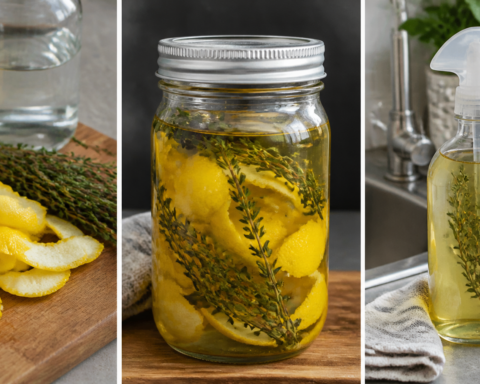
Always Store in Glass: Because of its high acid content, ACV can react with certain metals or leach chemical compounds out of cheap plastics over time. Always store your homemade ACV mixtures, sprays, and marinades in glass bottles or jars to preserve their purity and strength.
-
Mind the Dilution: While ACV is completely natural, its acetic acid content makes it highly concentrated. Whether you are applying it to your skin, hair, or delicate garden plants, always adhere to proper dilution ratios to ensure you achieve the best results safely.