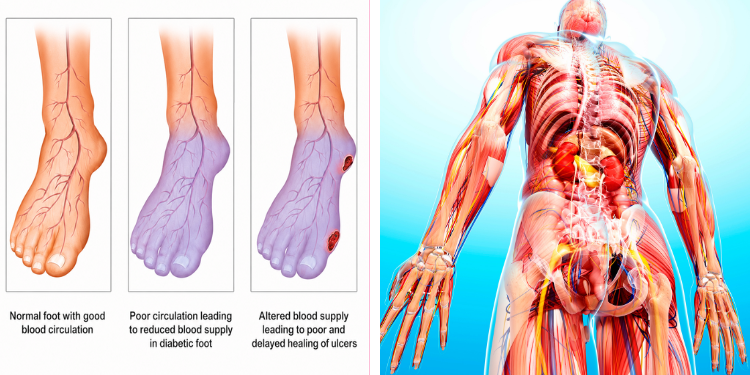
Poor blood circulation is often called a “silent condition” because its early symptoms develop gradually, frequently dismissed as simple signs of aging or fatigue.
Yet, your circulatory system – a vast 60,000-mile network of blood vessels – is the body’s primary delivery superhighway.
Driven by the heart, it transports oxygen, nutrients, hormones, and immune cells to every organ while continuously carrying away cellular waste products like carbon dioxide and metabolic toxins.
When blood flow becomes restricted – whether due to arterial plaque accumulation (atherosclerosis), vein valve insufficiency, chronic inflammation, or metabolic conditions like diabetes – the body immediately sends distress signals.
Recognizing these physical cues early can mean the difference between simple lifestyle adjustments and managing severe vascular damage, tissue hypoxia, or cardiovascular events.
Here are 16 critical warning signs of poor blood circulation, the underlying mechanisms that cause them, and practical, science-backed steps you can take to restore your vascular health.
The Vascular Pipeline: Arteries, Veins, and Microcirculation
To understand circulation warnings, it helps to distinguish between the two primary sides of the circulatory system:
-
Arterial Circulation (Outbound): High-pressure vessels carrying oxygenated, nutrient-rich blood from the heart to peripheral tissues. Restrictions here (often caused by arterial narrowing or peripheral artery disease, PAD) lead to ischemia – a lack of oxygen that causes sharp pain, coldness, and tissue breakdown.
-
Venous Circulation (Inbound): Low-pressure vessels carrying deoxygenated blood and metabolic waste back up toward the heart against gravity, assisted by tiny one-way valves. When these valves weaken (chronic venous insufficiency), blood pools in the lower extremities, causing swelling, heaviness, and skin discoloration.
-
Microcirculation: The microscopic network of capillaries where actual nutrient exchange occurs. Damage here is common in metabolic conditions like diabetes, leading to numbness, nerve damage, and slow wound healing.
16 Warning Signs of Poor Blood Circulation
1. Cold Hands and Feet
Even in warm environments, persistently cold extremities occur when reduced arterial blood flow fails to supply adequate warm blood to the skin’s surface capillaries.
2. Numbness and “Pins and Needles” (Paresthesia)
When peripheral nerves are deprived of oxygen and essential nutrients due to sluggish capillary flow, they send abnormal electrical signals, producing a prickly, tingling, or completely numb sensation in the hands, feet, or legs.
3. Swelling in the Legs, Ankles, and Feet (Edema)
Weak venous valves allow gravity to pull blood downward, increasing pressure inside lower-leg capillaries. This forces liquid plasma out of the blood vessels and into surrounding soft tissues, causing visible swelling that leaves an indentation when pressed (pitting edema).
4. Muscle Cramping and Pain During Walking (Claudication)
If you experience sharp, muscle-cramping pain in your calves, thighs, or buttocks while walking that disappears after a few minutes of rest, it may be intermittent claudication. This classic symptom of Peripheral Artery Disease (PAD) happens when leg muscles demand more oxygenated blood during movement than narrowed arteries can deliver.
5. Persistent Fatigue and Low Energy
When general circulation is sluggish, muscles and vital organs receive oxygen and nutrients at a reduced rate. This forces your cellular energy factories (mitochondria) to work inefficiently, leaving you feeling chronically exhausted despite adequate sleep.
6. Brain Fog, Dizziness, and Memory Lapses
The human brain consumes roughly 20% of the body’s total oxygen supply. Reduced cerebral blood flow – often linked to fluctuating blood pressure or carotid artery narrowing – can manifest as sudden lightheadedness, concentration difficulty, slow processing speed, and memory lapses.
7. Slow-Healing Wounds and Ulcers
When skin or tissue is damaged, immune cells, growth factors, and oxygen must be delivered to the wound site to build new tissue. Reduced microvascular circulation slows this healing cascade, turning minor cuts or scrapes into persistent open sores or stasis ulcers.
8. Varicose and Spider Veins
When tiny valve leaflets inside your leg veins fail, blood flows backward and collects inside the vessel. Over time, this pooling causes veins to swell, twist, and bulge beneath the skin, turning dark blue or purple.
9. Skin Color Changes (Pallor or Cyanosis)
Insufficient oxygenated arterial blood makes skin look unnaturally pale, ash-grey, or white. When deoxygenated blood gets trapped in small capillaries, tissues can take on a distinct bluish or purplish tint (cyanosis), particularly in the lips, fingernails, and toes.
10. Brittle Nails and Thinning Hair
Hair follicles and nail beds rely on steady capillary blood flow for structural proteins like keratin. Poor circulation starves these peripheral structures, leading to brittle, easily split nails, hair loss on the lower legs, and slow nail growth.
11. Unexplained Digestive Issues and Bloating
Your digestive tract requires a massive surge of blood flow (splanchnic circulation) to break down food and absorb nutrients. Sluggish abdominal blood flow can lead to post-meal stomach cramping, constipation, gas, and sluggish gut motility.
12. Cold, Dry, or Shiny Skin on the Lower Legs
Advanced arterial insufficiency alters skin texture. Restricted nutrient delivery causes lower-leg skin to become abnormally smooth, tight, thin, dry, and hairless.
13. Erectile Dysfunction (ED)
For men, the vascular system is central to sexual function. Difficulty achieving or maintaining an erection is frequently an early warning sign of systemic endothelial dysfunction or early-stage arterial stiffness, preceding overt cardiovascular issues by several years.
14. Chest Pressure or Angina
Coronary arteries deliver oxygenated blood directly to the heart muscle. If these vessels become narrowed by plaque, you may feel tightness, heaviness, or squeezing pain in the chest during physical exertion or emotional stress.
15. Cold Sensitivity and Raynaud’s Phenomenon
In Raynaud’s phenomenon, small peripheral arterioles undergo exaggerated vasospasms in response to cold temperatures or emotional stress. This sudden constriction temporarily shuts off blood flow, causing fingers or toes to turn stark white, then blue, and finally red and throbbing as blood returns.
16. Weak or Absent Peripheral Pulses
During a routine clinical exam, a physician may check the pulse behind your knee (popliteal), on top of your foot (dorsalis pedis), or near your ankle. A faint or missing pulse is a direct physical indicator of structural arterial blockage upstream.
Circulatory Symptom Breakdown Matrix
| Warning Sign | Primary Underlying Mechanism | Suspected Circulatory Domain | Urgency / Action Level |
| Cold Feet & Numbness | Microvascular hypoxia & vasospasm | Peripheral Capillaries / Nerves | Moderate; review lifestyle & clothing |
| Leg Edema & Varicose Veins | Venous valve failure & fluid leakage | Venous Return System | Moderate; use elevation & compression |
| Intermittent Claudication | Arterial narrowing under demand | Arterial System (PAD Risk) | High; consult a vascular physician |
| Non-Healing Foot Ulcers | Severe oxygen/nutrient deprivation | Microvascular & Arterial | Critical; seek immediate wound care |
| Chest Tightness / Angina | Coronary artery plaque narrowing | Cardiac Circulation | Emergency; seek emergency medical care |
Action Plan: How to Support and Improve Your Circulation Naturally
Improving blood flow requires a combination of targeted physical movement, nutritional support, hydration, and proactive lifestyle modifications.
Medical Disclaimer & When to See a Doctor: While mild circulatory issues respond well to healthy lifestyle changes, sudden or severe symptoms should never be ignored. Seek immediate medical evaluation if you experience sudden unilateral leg swelling with warmth or pain (a possible deep vein thrombosis/DVT), unexplained chest pain or shortness of breath, or sudden loss of sensation or strength on one side of your body (a potential stroke warning).
Your circulatory system is remarkably responsive.
By learning to recognize these 16 early physical warning signs and taking proactive steps – through regular movement, vascular-supporting foods, proper hydration, and leg elevation -you can restore fluid circulation, protect your blood vessels, and support your long-term vitality.