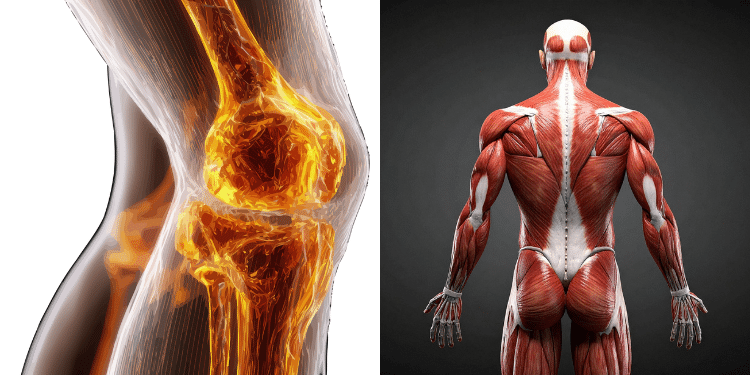
Aching legs, deep bone discomfort, and that heavy, tired feeling in your body are often brushed off as normal.
Many people assume it’s just from standing too long, getting older, or being physically active. But when the discomfort becomes frequent or doesn’t fully go away, it may be your body signaling something deeper.
One of the most common – and often overlooked – reasons behind persistent aches is low vitamin D.
Vitamin D plays a critical role in how your bones, muscles, and even your nerves function.
When levels drop, the effects don’t always appear immediately, but over time they can show up as ongoing discomfort, weakness, and fatigue.
Why This Kind of Pain Feels Different
Not all pain feels the same.
When discomfort is linked to muscles from activity, it’s usually temporary and improves with rest.
But when the sensation feels deeper – more like it’s coming from inside the legs or bones – it often points to something internal.
People describe it as:
- A dull, persistent ache
- A feeling of heaviness in the legs
- Discomfort that appears without a clear reason
- Pain that lingers, especially in the evening or morning
This type of pain is often connected to how the body is functioning, not just what it has done.
What Vitamin D Actually Does in Your Body
Vitamin D is often associated only with bones, but its role is much broader.
It helps the body absorb calcium efficiently. Without it, even if you consume enough calcium, your body cannot use it properly. This directly affects bone strength.
But vitamin D also plays a role in:
- Muscle contraction and strength
- Communication between nerves and muscles
- Regulation of inflammation
Because of this, when vitamin D levels are low, the effects are not isolated—they can affect how your entire body feels and moves.
How Low Vitamin D Leads to Bone Discomfort
Bones are constantly renewing themselves. They are not static structures; they depend on a steady supply of nutrients to stay strong.
When vitamin D levels are insufficient, calcium absorption decreases. Over time, this can lead to bones becoming less dense and more sensitive.
This sensitivity is often felt as:
- A deep ache rather than sharp pain
- Discomfort in weight-bearing areas like legs and hips
- Increased tenderness when pressure is applied
The body is not necessarily injured – it’s simply not being supported at the level it needs.
Why Your Legs Are Often the First Place You Feel It
The legs carry most of your body weight, which makes them one of the first areas where imbalance becomes noticeable.
When bones are slightly weakened or muscles are not functioning optimally, the legs absorb the impact.
At the same time, vitamin D affects muscle performance. Low levels may lead to:
- Reduced muscle strength
- Faster fatigue
- A feeling of instability or heaviness
This combination – bone sensitivity and muscle weakness – creates that familiar aching sensation many people struggle with.
The Hidden Link Between Fatigue and Vitamin D
One of the most overlooked symptoms of low vitamin D is fatigue.
People often feel:
- Tired even after rest
- Slower to recover physically
- Less motivated to move
This happens because vitamin D is involved in energy regulation at a cellular level. When it’s low, the body becomes less efficient.
This fatigue can amplify physical discomfort, making aches feel more intense or more frequent.
Why So Many People Are Deficient
Vitamin D is unique because your body produces it through sunlight.
However, modern lifestyles make it difficult to maintain adequate levels.
Many people:
- Spend most of their time indoors
- Avoid direct sun exposure
- Live in regions with limited sunlight for part of the year
Even diet doesn’t easily compensate, because very few foods contain significant amounts of vitamin D.
As a result, deficiency has become extremely common – even in people who otherwise maintain a healthy lifestyle.
Subtle Signs Your Body May Be Low
Vitamin D deficiency rarely appears suddenly. It builds gradually, and the signs are often subtle at first.
You may notice:
- Ongoing leg or bone discomfort
- Muscle weakness without clear cause
- A general sense of heaviness in the body
- Low energy that doesn’t improve easily
Because these symptoms overlap with many other conditions, they are often ignored or misinterpreted.
Supporting Your Body Naturally
Restoring balance doesn’t require drastic changes. It starts with consistent, simple habits.
Regular sunlight exposure is one of the most effective ways to support vitamin D levels. Even short periods of time outdoors can help your body produce what it needs.
Diet can also contribute, although to a smaller extent. Foods like fatty fish, egg yolks, and fortified products provide some support.
In some cases, supplementation may be considered, but it should be approached carefully and ideally with guidance.
The goal is not excess, but balance.
Why Balance Matters More Than Quantity
More is not always better when it comes to nutrients.
Vitamin D works in connection with other elements in the body, especially calcium and magnesium. Without these, it cannot function effectively.
This is why supporting overall nutrition and maintaining a balanced approach is more important than focusing on a single nutrient in isolation.
What Happens When Levels Improve
When your body begins to receive enough vitamin D again, changes often happen gradually.
You may start to feel:
- Less deep discomfort in the legs
- Improved muscle strength
- More stable energy levels
These changes don’t happen overnight, but they build over time as your body restores its natural balance.
When to Pay Closer Attention
While vitamin D can play a role in physical discomfort, it’s important not to ignore persistent pain.
If symptoms continue, worsen, or interfere with daily life, it’s important to seek professional advice and rule out other possible causes.
The body often sends signals early – it’s up to us to listen.
Aching legs and bone discomfort are often treated as minor issues, but they can be signs that your body needs support.
Vitamin D plays a quiet but essential role in how your bones and muscles function. When levels are low, the effects can be subtle but persistent.