In the modern landscape of processed foods and sedentary lifestyles, the liver and colon often bear the brunt of our metabolic choices.
The liver is the body’s primary “fat-burning” furnace and chemical filter, while the colon serves as the final stage of waste elimination and nutrient absorption.
When these organs become sluggish – often due to a buildup of visceral fat or environmental toxins – overall vitality plummets.
The solution to a “metabolic reset” is found in detoxifying, refreshing vegetables. Certain plants possess specific phytochemicals that stimulate bile flow, emulsify fats, and sweep the intestinal walls clean.
By incorporating these eight vegetables into your diet, you provide your body with the biological “scrubbers” needed to optimize fat metabolism and organ health.
1. Artichokes: The Bile Stimulator
Artichokes are arguably the most powerful vegetable for liver health due to two specific phytonutrients: cynarin and silymarin.
Cynarin stimulates the production of bile, which is the body’s natural detergent for emulsifying and breaking down fats.
Silymarin protects the liver cells from oxidative damage during the detoxification process.
By increasing bile flow, artichokes help the liver process fat more efficiently and assist the colon in moving waste through the digestive tract, preventing the “stagnation” that leads to bloating.
2. Daikon Radish: The “Fat-Melting” Root
In traditional Eastern medicine, the Daikon radish is often served with oily or fried foods. Science now understands why: it contains powerful digestive enzymes.
Daikon is rich in diastase, amylase, and esterase. These enzymes facilitate the breakdown of complex fats, proteins, and carbohydrates.
The refreshing, watery crunch of Daikon helps flush the kidneys while the enzymes act as a “detergent” for fat deposits in the liver.
It is particularly effective at targeting the stubborn fats that can accumulate around the midsection.
3. Brussels Sprouts: Sulfur-Rich Detoxifiers
As members of the cruciferous family, Brussels sprouts are dense in glucosinolates, which are sulfur-containing compounds.
Sulfur is a mandatory component for the liver’s Phase II detoxification pathway. It helps the liver neutralize fat-soluble toxins so they can be eliminated by the colon.
The high fiber content in Brussels sprouts acts like a “broom” for the colon, binding to bile acids (which are made of cholesterol) and dragging them out of the body, which effectively lowers overall fat levels in the blood.
4. Celery: The Hydrating Electrolyte
Celery is over 95% water, but its benefit for the liver and colon lies in its unique mineral salts and phthalides.
Phthalides help relax the artery walls, increasing blood flow to the liver. Celery’s natural sodium and potassium act as a “pump” that moves fluid and waste out of the cells and into the elimination channels.
It is incredibly refreshing and helps de-bloat the colon by flushing out excess sodium and water retention, making it a staple for anyone looking to “lean out” their internal organs.
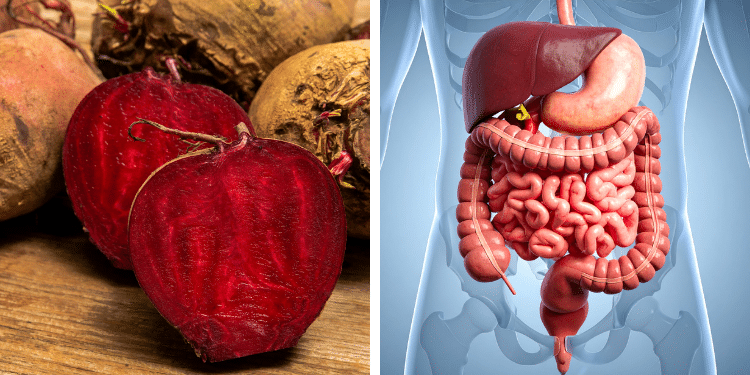
5. Beets: The Blood and Liver Purifier
Beets contain a deep red pigment called betalain, which is a high-level antioxidant and anti-inflammatory agent.
Betalains support the methylation process in the liver – a chemical reaction that is vital for processing fats and clearing out heavy metals. Beets also contain pectin, a soluble fiber.
The pectin in beets “mops up” the toxins released by the liver and ensures they are safely escorted through the colon rather than being reabsorbed into the bloodstream.
6. Asparagus: The Glutathione Booster
Asparagus is one of the top food sources of glutathione, often called the body’s “Master Antioxidant.”
Glutathione is essential for the liver to break down environmental toxins and excess fats. Asparagus also contains asparagine, an amino acid that acts as a natural diuretic.
It helps “rinse” the system, reducing the fatty load on the liver while providing prebiotic fiber that feeds the “slimming” bacteria in your colon.
7. Cucumber: The Systemic Coolant
While often seen as a simple salad ingredient, cucumbers contain eripsin, an enzyme that helps break down proteins and clean the intestines.
Their high water content and “cooling” nature help lower systemic inflammation. Cucumbers also contain sterols, which have been shown to help lower cholesterol levels.
By staying hydrated with cucumber-rich meals, you keep the mucosal lining of the colon supple, allowing for the smooth transit of waste and preventing the re-absorption of “fatty” toxins.
8. Dandelion Greens: The Bitter Tonic
Bitterness is the tongue’s signal that a food is good for the liver. Dandelion greens are the ultimate bitter tonic.
The bitterness triggers a reflex that stimulates the gallbladder to contract and release bile. This process is essential for the digestion and “cleansing” of fats from the liver.
Dandelion greens are also a potent prebiotic, helping to cultivate a colon environment that favors weight management and efficient nutrient absorption.
Cleaning “fat” from the liver and colon isn’t about restrictive fasting; it’s about providing the body with the functional tools it needs to do its job.