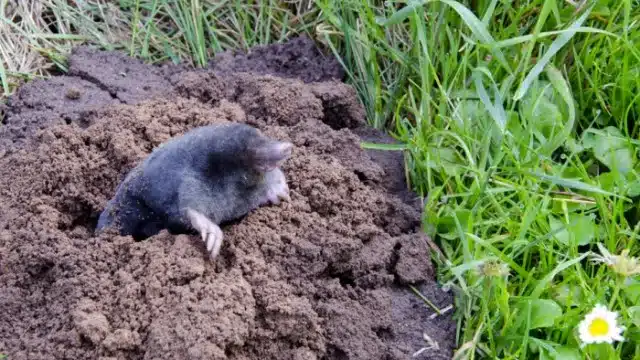
Moles can be a major nuisance for homeowners and gardeners. These burrowing mammals can destroy a well-manicured lawn by creating mounds of soil, tunnels, and uprooting plants.
While moles play a vital role in aerating soil and controlling insect populations, their presence in a yard can be frustrating.
If you’re dealing with an infestation, here are seven effective ways to get rid of moles in your yard while maintaining a healthy outdoor environment.
1. Identify the Signs of Mole Activity
Before taking action, it’s essential to confirm that moles are the real culprits behind the damage.
Moles primarily feed on earthworms, grubs, and insects, which means they are not harming plants directly but rather disturbing the roots while tunneling.
Common Signs of Moles:
- Raised molehills (mounds of soil) appearing in random locations.
- Raised ridged tunnels disrupting grass and garden beds.
- Soft or uneven spots on the lawn.
Once you’ve confirmed their presence, you can begin implementing control methods.
2. Use Natural Repellents
Natural deterrents are a great first step in mole control, as they’re eco-friendly and safe for pets and children.
Effective Natural Repellents:
- Castor Oil Solution: Mix one part castor oil with two parts water, add a few drops of dish soap, and spray over mole tunnels. This disturbs their digestive system and encourages them to relocate.
- Garlic and Cayenne Pepper: Moles dislike strong scents. Crush garlic cloves and sprinkle cayenne pepper near molehills and tunnels.
- Coffee Grounds: Used coffee grounds can be sprinkled around the yard to disrupt their sense of smell and drive them away.
Repellents should be reapplied after rain or every few weeks for best results.
3. Eliminate Their Food Source
Since moles primarily feed on grubs, worms, and other soil-dwelling insects, reducing their food supply can make your yard less attractive to them.
How to Reduce Mole Food Supply:
- Apply beneficial nematodes or milky spore powder to target grub populations.
- Avoid overwatering your lawn, as moist soil attracts worms and insects.
- Use natural insecticides that eliminate lawn pests without harming beneficial organisms.
With fewer food sources available, moles will likely seek other areas to inhabit.
4. Install Physical Barriers
Creating barriers can effectively block moles from entering specific areas of your yard, such as garden beds or lawns.
How to Create a Mole Barrier:
- Underground Wire Mesh: Bury a metal mesh or hardware cloth about 2 feet deep around garden beds to prevent burrowing.
- Gravel Trenches: Dig a trench around your lawn’s perimeter and fill it with coarse gravel or sharp-edged rocks to make tunneling difficult.
- Raised Garden Beds: If moles are damaging vegetable gardens, consider raised beds with mesh bottoms to prevent them from accessing plant roots.
5. Trap and Remove Moles
Trapping is one of the most effective ways to eliminate active moles from your yard.
While this method requires patience, it can significantly reduce mole populations over time.
Types of Mole Traps:
- Scissor Traps: Placed directly in active mole tunnels, these traps snap shut when triggered.
- Harpoon Traps: Spring-loaded spikes drive into the ground when moles move through their tunnels.
- Live Traps: If you prefer a humane approach, use live traps and release the mole far away from residential areas.
To increase success rates, identify active tunnels by flattening a portion and checking if it’s rebuilt within 24-48 hours. Place traps in frequently used tunnels.
6. Utilize Ultrasonic Devices
Modern technology offers ultrasonic mole repellents, which emit high-frequency vibrations and sounds to disrupt mole activity.
Benefits of Ultrasonic Mole Repellers:
- Solar-powered and eco-friendly.
- Safe for pets, children, and other wildlife.
- Covers a wide area and deters moles over time.
These devices should be installed every 10-15 feet around the yard for maximum effectiveness.
7. Encourage Natural Predators
Nature provides built-in pest control with predators that hunt moles.
Encouraging these animals to visit your yard can help keep mole populations in check.
Natural Mole Predators:
- Owls and Hawks: Install birdhouses to attract these natural predators.
- Snakes: While not everyone likes snakes, non-venomous garden snakes prey on small rodents and moles.
- Cats and Dogs: Outdoor cats and some breeds of dogs will hunt moles if they detect activity in the yard.
Creating a wildlife-friendly garden can naturally control pests without resorting to harsh chemicals.
Dealing with moles can be challenging, but with the right approach, you can reclaim your yard.
Using a combination of natural repellents, traps, physical barriers, and habitat modifications, you can effectively deter moles and prevent further damage.
Quick Recap: Best Ways to Get Rid of Moles
- Identify signs of mole activity before taking action.
- Use natural repellents like castor oil, garlic, and coffee grounds.
- Eliminate their food source by reducing grubs and insects.
- Install physical barriers to prevent burrowing.
- Trap and remove moles using humane or lethal traps.
- Utilize ultrasonic devices to drive them away.
- Encourage natural predators to control mole populations.
By implementing these proven strategies, you can maintain a beautiful, mole-free yard while respecting the natural ecosystem.