October is when many perennial gardens begin to look tired.
Leaves turn yellow, flower stalks collapse, and plants that looked spectacular in July may suddenly appear brown and messy. It’s tempting to grab the pruners and cut the entire garden down to the ground.
But that’s not always the best approach.
Some perennials benefit from fall cleanup, particularly when their foliage becomes mushy or diseased.
Others are better left standing because their seed heads feed birds, their stems provide winter habitat for insects, or their dried growth protects the plant’s crown.
So the goal isn’t to make the garden perfectly bare.
It’s to know what to cut, when to cut it, and what should remain until spring.
Here are 10 common perennials you can cut back in October – and how to do it correctly.
1. Peonies
Peonies are among the best candidates for fall cleanup.
By October, particularly after frost, their foliage often turns yellow, brown, or black and begins collapsing.
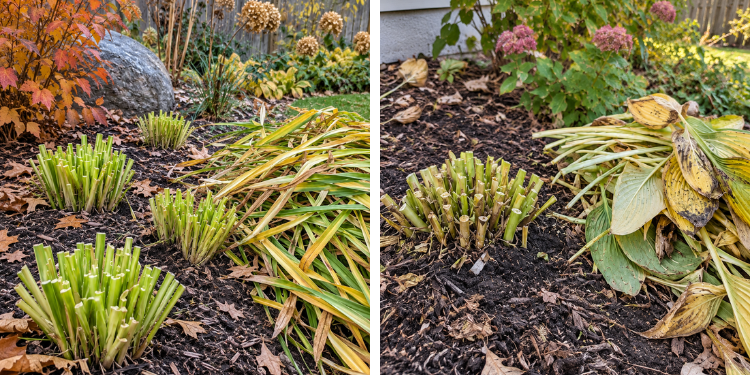
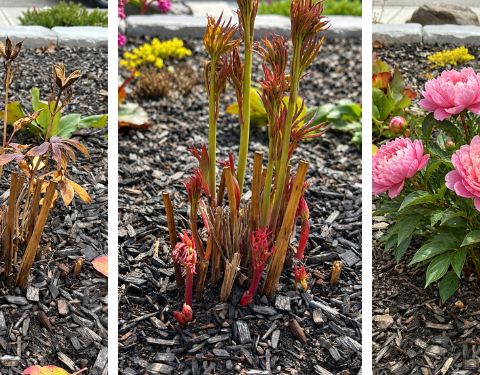
Once the foliage has died back, cut the stems down to approximately 2–3 inches above the soil.
Remove the old leaves and stems from around the plant rather than leaving them piled over the crown.
Why clean them up?
Peonies can experience fungal diseases such as botrytis and leaf blotch. Removing affected foliage reduces the amount of diseased plant debris remaining around the bed.
October note: Don’t cut healthy green peony foliage early simply because flowering ended months ago. The leaves spend summer helping the plant store energy for next year’s growth.
Wait until the foliage naturally declines or frost finishes it.
2. Hostas
Hostas can turn from beautiful to mushy surprisingly quickly after frost.
Once the foliage becomes yellow, brown, or collapsed, cut it back close to the ground.
Leave roughly 1–2 inches of stems if that makes cleanup easier.
Remove the dead leaves from the bed.
Old hosta foliage can become a damp mat around the crown and may provide hiding places for slugs and snails.
Quick note: If your hosta is still mostly green, there’s no urgent reason to cut it down.
Let the leaves continue working until frost or natural dormancy takes over.
3. Daylilies
Daylilies often develop yellowing, floppy foliage as autumn progresses.
Start by pulling or cutting away leaves that are completely yellow or brown.
Once most foliage has died back, trim it to around 3–5 inches above the ground.
Remove old flower stalks as well if you haven’t already done so.
Don’t remove healthy leaves unnecessarily.
Some daylilies remain partly green well into fall, particularly in mild climates.
If the foliage still looks healthy, leave it longer.
Garden note: October is about removing dead material, not forcing every perennial into dormancy according to the calendar.
Let the plant tell you when it’s ready.
4. Bearded Irises
Irises can benefit from some fall tidying, especially if foliage has become spotted, damaged, or floppy.
Remove dead and diseased leaves first.
If you’re cutting back remaining foliage late in the season, trim it to roughly 4–6 inches, often in a fan shape.
Use clean tools.
Don’t cover the rhizomes with a thick layer of soil or heavy mulch afterward.
Bearded iris rhizomes prefer to remain near the soil surface.
Important: If you notice badly spotted or diseased iris leaves, don’t leave them lying around the plants.
Good sanitation can help reduce problems returning next season.
5. Bee Balm
Bee balm is a magnet for pollinators during summer, but it can also be very susceptible to powdery mildew.
If your bee balm foliage has become heavily mildewed or diseased, October is a good opportunity to remove it.
After the plant has finished for the season, cut stems down to approximately 2–4 inches above the ground.
Remove heavily diseased debris rather than leaving it around the crown.
But there’s another option.
If your bee balm is healthy, consider leaving at least some stems standing until spring.
Hollow or pithy perennial stems can provide overwintering habitat for beneficial insects.
Wildlife note: Fall cleanup doesn’t need to be all-or-nothing. Remove diseased material and leave some healthy stems where practical.
That’s often a better compromise.
6. Garden Phlox
Garden phlox can also suffer from powdery mildew and leaf diseases.
By October, plants may have browned considerably.
Once the foliage has died back, cut the stems to around 2–4 inches above soil level.
Clean up badly diseased leaves from around the base.
If powdery mildew was a major problem this year, make a note to improve airflow next season.
Crowded plants and persistently damp foliage can make disease problems more noticeable.
Next-year tip: Avoid routinely wetting phlox leaves late in the day. Water near the base whenever practical.
Healthy plants with good spacing often perform better than plants packed tightly together.
7. Catmint
Catmint can become sprawling and untidy by late fall.
If the plant has already been damaged by frost and the foliage is brown, you can trim it back to approximately 3–4 inches above the soil.
However, there’s no need to rush if it remains green and attractive.
In milder areas, catmint may hold useful foliage well into autumn.
Don’t confuse cleanup with major pruning.
You’re removing finished growth, not trying to stimulate a flush of tender new stems before winter.
October note: Avoid heavy fertilizing after cutting back. The goal now is dormancy and winter preparation, not rapid new growth.
8. Yarrow
Yarrow often develops dry flower stalks and declining foliage by fall.
If the plant looks messy or diseased, remove old flower stems and cut dead foliage down near the basal growth.
But yarrow is also a good example of a perennial you don’t necessarily need to completely cut down.
Dried flower heads can provide winter structure, and healthy stems may be left until spring.
The best compromise?
Remove diseased, broken, or collapsed material.
Leave attractive healthy seed heads if you enjoy their appearance.
Wildlife-friendly note: A slightly untidy garden is often more useful to wildlife than a perfectly bare one.
Not everything brown is useless.
9. Black-Eyed Susans
Black-eyed Susans (Rudbeckia) are another plant where selective cutting makes sense.
If foliage is heavily diseased, remove it.
Cut problematic stems down close to the base and clean up infected leaves.
But consider leaving some healthy stems and dark seed heads standing.
Those seed heads can provide food for birds, and they look beautiful when covered with frost or snow.
October tip: Cut the diseased plants. Leave some of the healthy ones.
You don’t have to choose between garden sanitation and supporting wildlife.
You can do both.
10. Coneflowers
Coneflowers (Echinacea) don’t require a complete fall haircut.
In fact, leaving some of them standing is often the better choice.
Their seed heads can provide food for birds, while the dried stems add winter structure to the garden.
However, if certain plants have badly spotted leaves, mildew, or other obvious disease problems, remove affected foliage and stems.
Cut diseased stems close to the base while leaving healthy seed-bearing stems where appropriate.
What about a full cutback?
You can cut coneflowers back after dormancy if you prefer a tidy garden, but it isn’t essential.
Many gardeners wait until late winter or early spring.
Best approach: If the plant is healthy, leave some standing. If it’s diseased, prioritize sanitation.
Why You Shouldn’t Cut Everything Back in October
For years, the traditional advice was simple:
When frost arrives, clean everything up.
We now have good reasons to be more selective.
Standing stems, seed heads, and leaf litter can provide shelter or food for birds and insects.
Some native bees and other beneficial insects use plant stems or garden debris as part of their life cycle.
Seed-eating birds may visit coneflowers, black-eyed Susans, sunflowers, and other plants throughout fall and winter.
So don’t feel that your garden needs to look perfectly bare.
A better fall-cleanup rule:
Remove what is diseased, rotten, or troublesome.
Leave some of what is healthy, sturdy, and useful.
You can finish the cleanup in spring.
Always Wait Until the Plant Is Ready
October doesn’t look the same everywhere.
In one garden, frost may have already killed most herbaceous perennials.
Elsewhere, the same plants may still be green and actively growing.
That’s why you shouldn’t prune solely because the calendar says October.
Look at the plant.
If foliage is still healthy and green, it’s still photosynthesizing and helping replenish the plant’s energy reserves.
If it’s yellow, brown, collapsed, or frost-killed, cutting it back is less likely to deprive the plant of useful growing time.
Simple rule: Let frost and natural dormancy guide your pruning more than a specific date.
Don’t Cut Too Close to the Crown
Most herbaceous perennials don’t need to be shaved perfectly level with the soil.
Leaving a few inches of stem makes it easier to see where plants are located during winter and early spring.
It can also prevent accidental damage when you’re working in the bed later.
Marking plant locations is especially useful for perennials that emerge late in spring.
What Should You Do With the Cut Material?
Healthy leaves and stems can usually go into your compost system.
Diseased material deserves more caution.
If your home compost pile doesn’t reach temperatures sufficient to destroy plant pathogens, heavily infected foliage may be better handled according to local yard-waste recommendations rather than returned directly to the same garden.
Cleanup note: Don’t pile diseased leaves around the crown as “winter protection.”
You’re potentially keeping the problem exactly where you don’t want it.
October pruning shouldn’t be a race to make every flower bed perfectly clean.
The best fall garden is often somewhere between tidy and wild.
Cut what is diseased. Remove what has collapsed. Leave what is still green. Keep some healthy stems and seed heads for winter.