
November can be a surprisingly difficult month for indoor plants.
The problem isn’t always a lack of care. In many cases, continuing your summer plant-care routine into November is exactly what causes trouble.
Here are seven popular houseplants that deserve special attention in November, along with the practical steps that can help them stay healthy throughout winter.
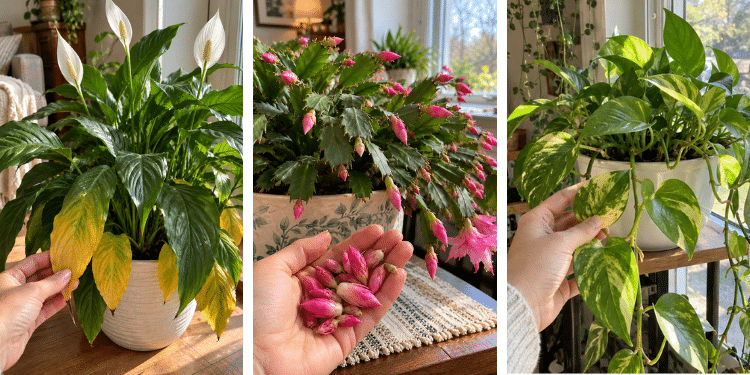
1. Peace Lily: Prevent Yellow Leaves and Drooping Growth
Peace lilies (Spathiphyllum) are popular for their glossy green foliage and elegant white spathes.
Although they tolerate relatively low indoor light, November can be challenging because reduced daylight slows their growth and changes how quickly they use water.
A peace lily that needed watering every few days in summer may remain moist much longer during late autumn.
Overwatering during this period can cause yellow leaves, drooping, and root problems.
What to Do in November
Move your peace lily closer to a bright window where it receives indirect sunlight.
Avoid strong direct afternoon sun, which can scorch its leaves.
Check the potting mix before watering. When the upper inch or so begins to feel dry, water thoroughly and allow excess moisture to drain away.
If indoor heating makes the air particularly dry, keep the plant away from radiators and heating vents.
November tip: If your peace lily stops flowering, don’t automatically add fertilizer. Reduced daylight is a common reason flowering slows, and excessive feeding won’t compensate for insufficient light.
2. Snake Plant: Reduce Watering Before Root Rot Develops
Snake plants (Dracaena trifasciata, formerly Sansevieria trifasciata) are famous for their durability.
Their thick, upright leaves store moisture, allowing them to tolerate dry conditions better than many tropical houseplants.
However, this same characteristic makes them especially vulnerable to overwatering during winter.
As November arrives and light levels decrease, snake plants often grow more slowly and use less water.
If the soil remains wet for extended periods, the roots and leaf bases can begin to rot.
What to Do in November
Allow the potting mix to dry thoroughly before watering again.
Depending on indoor conditions, this may mean watering considerably less often than during summer.
Keep the plant in bright, indirect light if possible, although it can tolerate lower light levels.
Avoid placing it against cold window glass or near drafty exterior doors.
Make sure the container has drainage holes and never allow water to accumulate in the saucer.
November tip: Soft, mushy leaves near the soil surface often indicate excessive moisture rather than underwatering. Check the roots and soil before adding more water.
3. Spider Plant: Protect the Leaves From Dry Indoor Air
Spider plants (Chlorophytum comosum) are easy to grow, but their long, narrow leaves can develop brown tips during November.
This often becomes more noticeable when household heating systems begin operating regularly.
Dry air, inconsistent watering, accumulated fertilizer salts, and minerals in tap water can all contribute to leaf-tip damage.
Although brown tips are usually cosmetic, they can make an otherwise healthy spider plant look tired.
What to Do in November
Keep your spider plant in bright, indirect light, preferably near an east-facing window or a few feet from a brighter window.
Water when the upper portion of the potting mix has dried, rather than following a fixed weekly schedule.
If your home is very dry, consider using a humidifier to maintain moderate humidity.
Keep the plant away from direct blasts of warm air from heating vents.
If brown tips are already present, trim the damaged portions with clean scissors without cutting deeply into healthy tissue.
November tip: Spider plants generally need little fertilizer during periods of slow winter growth. Excess fertilizer can contribute to salt buildup and brown leaf tips.
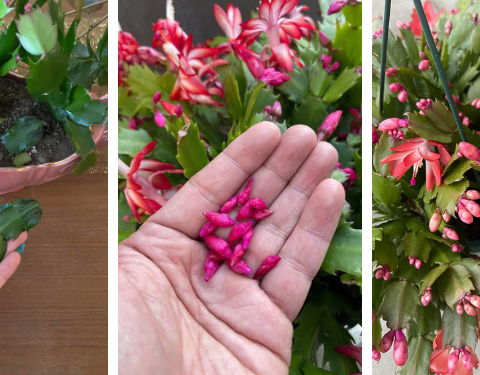
4. Christmas Cactus: Protect Developing Flower Buds
November is one of the most important months for Christmas cactus care.
Unlike many houseplants that slow down during autumn, holiday cacti may be preparing to produce their spectacular winter flowers.
Christmas cacti (Schlumbergera species and hybrids) respond to seasonal changes in daylight and temperature.
Long, uninterrupted nights and relatively cool conditions help encourage flower-bud formation.
However, sudden environmental changes can cause developing buds to drop before opening.
What to Do in November
Keep your Christmas cactus in bright, indirect daylight.
If buds have already formed, avoid repeatedly moving the plant between locations with very different temperatures or light conditions.
Water when the upper portion of the potting mix begins to dry, but don’t allow the roots to remain waterlogged.
Protect the plant from cold drafts, hot radiators, and abrupt temperature changes.
If buds haven’t appeared yet, provide cool nights, generally around 55–65°F (13–18°C), along with approximately 12–14 hours of uninterrupted darkness for several weeks.
November tip: Many plants sold as Christmas cacti are actually Thanksgiving cacti, which naturally flower earlier. Blooming in November doesn’t necessarily mean anything is wrong.
5. Pothos: Give It More Light as Days Become Shorter
Pothos (Epipremnum aureum) is often described as a low-light houseplant.
While it can survive in relatively dim rooms, low light doesn’t mean no light.
During November, the amount of natural light entering your home decreases, especially in rooms with north-facing windows.
Pothos plants that were receiving adequate light during summer may suddenly find themselves in conditions too dim for healthy growth.
This can lead to smaller leaves, longer spaces between leaves, slower growth, and reduced variegation.
What to Do in November
Move your pothos closer to a window that receives bright, indirect sunlight.
Avoid exposing leaves that have grown in low light to intense direct sunlight without gradual acclimation.
Rotate the pot occasionally so different sides receive light.
Reduce watering as growth slows, allowing the upper inch or two of soil to dry before watering again.
Remove yellow or damaged leaves and check that the vines aren’t touching cold window glass.
November tip: If your pothos begins producing smaller leaves with long gaps between them, insufficient light may be a bigger problem than a lack of fertilizer.
6. Fiddle Leaf Fig: Prevent Sudden Leaf Drop
Fiddle leaf figs (Ficus lyrata) are known for their large, dramatic leaves, but they can be sensitive to changes in their environment.
November often brings several changes at once: weaker sunlight, lower humidity, cooler windows, and warm air from heating systems.
These conditions can stress the plant and sometimes cause leaves to yellow or drop.
Moving a fiddle leaf fig repeatedly in an attempt to solve the problem can make matters worse.
What to Do in November
Choose a stable location with bright, indirect light and keep the plant there whenever possible.
A position near a bright window is usually preferable to a dark corner.
Avoid placing the plant beside heating vents, fireplaces, or drafty doors.
Check the soil before watering. Allow the upper few inches to dry, then water thoroughly and let excess moisture drain away.
Gently wipe dust from the large leaves with a damp cloth to keep them clean and maximize light exposure.
November tip: A few older leaves dropping may occur as the plant adjusts, but widespread leaf loss deserves investigation. Check light, temperature, watering, and possible pest problems.
7. Orchid: Adjust Watering and Encourage Healthy Flowering
Moth orchids (Phalaenopsis) are among the most popular flowering houseplants.
Their beautiful blooms can last for weeks or months, but November care requires attention to both light and temperature.
These orchids often respond to slightly cooler autumn nights by initiating new flower spikes.
However, cold drafts, excessive watering, and insufficient light can interfere with healthy growth.
Orchids growing in bark-based potting media also have different watering requirements from plants growing in ordinary soil.
What to Do in November
Place your orchid near a bright window with filtered light.
An east-facing window is often suitable, while stronger afternoon sunlight may require some protection.
Water when the growing medium is approaching dryness and the roots indicate moisture is needed.
For orchids in clear pots, healthy hydrated roots are often green, while roots that need water may appear silvery.
Allow water to drain completely and avoid leaving the pot standing in water.
Moderately cooler nights can help initiate flower spikes in mature, healthy moth orchids, but temperatures should remain safely above chilling levels.
November tip: If your orchid develops a new flower spike while an older spike is still blooming, this can be completely normal. Healthy plants sometimes produce overlapping flowering cycles.
November is a turning point for indoor plants.
The secret to healthy November houseplants isn’t doing more – it’s adjusting your care to match what each plant actually needs.