Mint (Mentha spp.) is one of the most versatile and rewarding herbs you can grow.
Whether you enjoy it in teas, cocktails, desserts, or as a natural home remedy, mint’s refreshing aroma and vigorous growth make it a must-have for every gardener.
The best part? You don’t need a large garden to enjoy an endless supply – growing mint in containers is easy, space-saving, and highly productive.
In fact, mint actually performs better in pots than in open garden beds. Left unchecked, this perennial herb can spread aggressively, overtaking entire patches of soil.
Containers provide the perfect solution, keeping mint contained while still allowing it to thrive.
With the right setup and a few simple tricks, you can grow tons of fresh mint all season long – and even year-round indoors.
Why Grow Mint in Containers?
1. Prevents Overgrowth
Mint spreads through underground runners that quickly take over garden beds. Container growing prevents it from becoming invasive.
2. Saves Space
Containers allow you to grow mint on patios, balconies, windowsills, or even indoors under grow lights.
3. Control Over Soil & Moisture
In pots, you control soil quality, drainage, and watering schedules, ensuring healthier plants.
4. Easy Mobility
Move containers to chase the sun, protect from extreme weather, or bring indoors during winter.
5. Extended Harvest
With proper pruning, container mint produces abundantly from spring through fall, and indoors during winter.
Choosing the Right Mint Varieties
There are over 600 varieties of mint, each with unique flavors and growth habits.
While most thrive in containers, here are some of the best options:
- Spearmint (Mentha spicata): Classic mint for drinks and savory dishes.
- Peppermint (Mentha × piperita): Strong flavor, great for teas and desserts.
- Apple Mint (Mentha suaveolens): Mild and fruity, with fuzzy leaves.
- Chocolate Mint: Peppermint with a subtle chocolate aroma.
- Mojito Mint: Essential for authentic mojitos.
- Pineapple Mint: Variegated, ornamental leaves with fruity scent.
Pro Tip: If growing multiple varieties, use separate pots – mint easily cross-pollinates, blending flavors.
The Best Containers
Mint is not a fussy plant, but the size and type of container make a big difference in how vigorously it grows.
A pot that is at least 10–12 inches deep and wide gives the roots space to spread. Larger pots will allow the plant to grow bushier and produce more leaves.
The material also matters. Terracotta pots are breathable and prevent waterlogging, but they dry out faster.
Plastic or resin containers retain moisture longer, making them easier to maintain in hot climates. Fabric grow bags are another excellent option, as they provide superb drainage and root aeration.
Whatever you choose, drainage holes are essential, because mint does not tolerate standing water around its roots.
Soil Preparation
Healthy mint starts with the right soil. Garden soil is often too heavy for containers, so use a light, well-draining potting mix.
For the best results, combine potting soil with compost to provide nutrients and add perlite or coarse sand to improve drainage. Mint prefers soil that is slightly acidic to neutral, with a pH between 6.0 and 7.0.
Refreshing the top layer of soil with compost each spring helps replenish nutrients and keeps your mint vigorous year after year.
Planting Mint
You can start mint from seeds, but it’s much faster and easier to grow from cuttings or nursery plants.
Seeds take time to germinate and don’t always produce plants identical to the parent.
With cuttings, you’ll have a strong plant ready to thrive in your container within weeks.
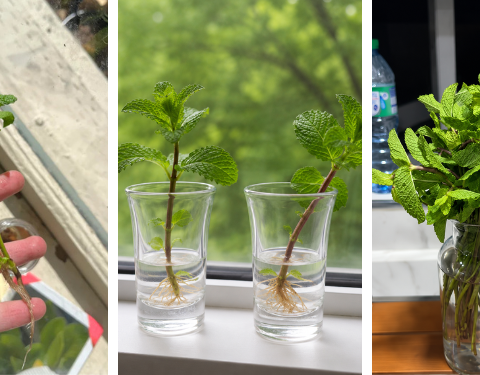
Simply snip a 4–6 inch piece of stem, place it in water until roots form, and then transfer it to your potting mix.
Nursery plants are even easier – just loosen the roots before planting them at the same depth they were growing previously. Mint establishes quickly and will begin sending out new shoots in no time.
Watering and Feeding
Mint loves moisture, and container soil dries out faster than ground soil, so consistent watering is key.
Check your pots daily in summer and water whenever the top inch of soil feels dry. The goal is to keep the soil evenly moist but never soggy, as overly wet conditions can lead to root rot.
Adding mulch, such as shredded leaves or straw, on top of the soil helps lock in moisture.
Mint is not a heavy feeder, but it benefits from regular nourishment. A balanced liquid fertilizer applied every three to four weeks during the growing season keeps it lush and green.
Organic options like compost tea or diluted fish emulsion are excellent choices. Avoid overfertilizing, as too much nitrogen can lead to leafy growth with reduced flavor.
Pruning and Harvesting
Regular pruning is the secret to growing tons of mint in containers. If left uncut, mint becomes leggy, woody, and less flavorful.
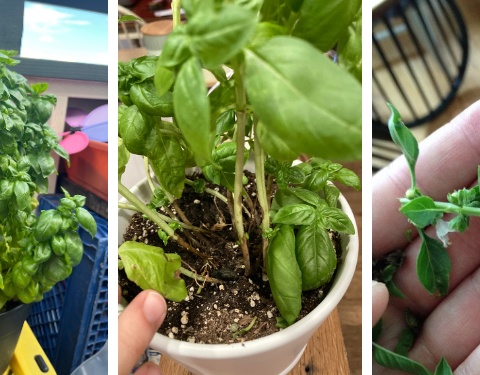
Pinch off new tips often to encourage branching and bushy growth. Every few weeks, trim back one-third of the plant to keep it vigorous.
Harvesting should start once your mint reaches about six inches tall. Always snip stems just above a leaf node to stimulate regrowth. The more you harvest, the more mint you’ll get.
For the most aromatic leaves, harvest in the morning when the essential oils are strongest. If you notice flower buds forming, remove them immediately – once mint flowers, the leaves lose much of their potency.
Propagating for More Plants
One of the best things about mint is how easily it multiplies. If you want more plants, you can propagate them through cuttings, division, or layering.
Stem cuttings placed in water develop roots in a week. Dividing a mature plant into several smaller clumps gives you multiple pots instantly.
Even simply bending a low stem into a neighboring pot of soil will result in new rooted growth, which can then be separated.
With these methods, a single pot of mint can turn into a whole collection, giving you an abundant supply for every use imaginable.
Common Problems
Mint is a hardy herb, but container plants can still face pests and diseases. Aphids, spider mites, and whiteflies are occasional visitors.
Neem oil or insecticidal soap sprays usually keep them under control. Powdery mildew can develop in humid conditions; good air circulation and avoiding wetting the leaves while watering help prevent it.
Rust, which shows as orange spots on leaves, should be dealt with by removing infected foliage promptly.
The most serious issue is root rot, which almost always results from poor drainage. As long as your container drains well, your mint will stay healthy.
Overwintering Mint
Mint is perennial, meaning it will return year after year, but in pots, it needs a little extra care to survive winter. In mild climates, simply leaving pots outdoors with a thick layer of mulch is often enough.
In colder zones, bring containers indoors before frost. Place them in a cool, bright location and water sparingly while the plant goes semi-dormant.
In early spring, cut back old growth and refresh the soil with compost. The plant will bounce back vigorously with the warming days.
Growing Mint Indoors
For fresh mint year-round, grow it indoors during winter. A six to eight inch pot on a sunny windowsill is enough to keep you supplied.
If you don’t have strong natural light, supplement with an LED grow light for 12–14 hours a day. Keep the soil moist and maintain good humidity by misting the plant or placing the pot on a tray filled with pebbles and water.
Rotate the pot weekly to encourage even growth, and continue pruning and harvesting lightly through the season.
Using and Preserving Your Mint
With a steady harvest, you’ll always have fresh mint for teas, salads, cocktails, and desserts.
Beyond the kitchen, it makes a soothing herbal steam for colds, a natural air freshener, and even a pest repellent.
If you grow more than you can use fresh, preserve your harvest. Mint dries well – hang small bunches in a dark, airy space until crisp, then crumble and store in jars.
Freezing is another excellent method: chop leaves and pack them into ice cube trays with a little water or oil, then freeze for long-term use in cooking.
Creative Ways to Use Your Mint Harvest
Culinary Uses
- Fresh in teas, cocktails (mojitos, juleps).
- Chopped into salads, sauces, and marinades.
- Infused in desserts, ice creams, and chocolates.
Health & Wellness
- Mint tea for digestion and stress relief.
- Mint oil steam for congestion.
- Homemade mint mouthwash or toothpaste.
Household Uses
- Natural air freshener.
- Insect repellent (mosquitoes dislike mint).
- Decorative garnish for dishes and drinks.
Growing mint in containers is one of the easiest, most rewarding gardening projects.
With the right pot, soil, and care routine, you can harvest handfuls of fresh mint all season long – and even keep it going indoors during winter.