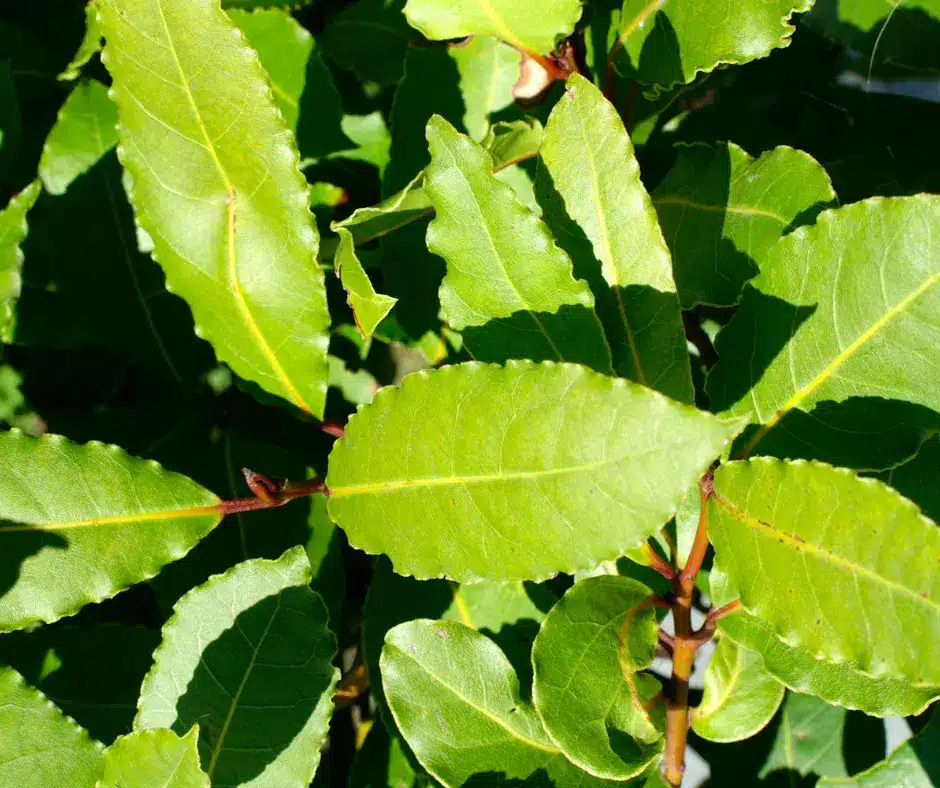
Bay leaves, derived from the bay laurel tree (Laurus nobilis), have been used for centuries in culinary and medicinal applications.
Known for their distinctive fragrance and slightly bitter taste, bay leaves are a staple in kitchens worldwide.
However, their uses extend far beyond flavoring soups and stews. Here’s a look at the extraordinary benefits of bay leaves and how you can incorporate them into your daily life.
Extraordinary Benefits of Bay Leaves
1. Digestive Health
Benefits
Bay leaves have been traditionally used to aid digestion and relieve various digestive disorders. They contain compounds that stimulate the production of digestive enzymes, improving nutrient absorption and reducing bloating and gas.
Usage
- Infusion: Steep bay leaves in hot water to make a soothing tea that can aid digestion.
- Cooking: Add bay leaves to soups, stews, and sauces to help digest rich foods more easily.
2. Anti-Inflammatory Properties
Benefits
Bay leaves are rich in anti-inflammatory compounds such as eugenol and other volatile oils. These compounds can help reduce inflammation in the body, making bay leaves beneficial for conditions like arthritis and sore muscles.
Usage
- Topical Application: Make a bay leaf paste by grinding dried leaves with a little water and apply it to inflamed joints or muscles.
- Tea: Drink bay leaf tea regularly to help manage internal inflammation.
3. Antioxidant Power
Benefits
Bay leaves are packed with antioxidants that protect the body from free radicals and oxidative stress. These antioxidants, including vitamins A and C, can help boost the immune system and reduce the risk of chronic diseases.
Usage
- Culinary Use: Incorporate bay leaves into your cooking to enjoy their antioxidant benefits.
- Infusion: Brew bay leaves in water to make a health-boosting tea.
4. Respiratory Relief
Benefits
The essential oils in bay leaves can help alleviate respiratory conditions by acting as a decongestant and anti-inflammatory. They are particularly effective in treating colds, flu, and bronchitis.
Usage
- Steam Inhalation: Boil bay leaves in water and inhale the steam to relieve congestion and clear the respiratory tract.
- Chest Rub: Mix bay leaf oil with a carrier oil and apply it to the chest for relief from respiratory issues.
5. Blood Sugar Control
Benefits
Studies suggest that bay leaves may help regulate blood sugar levels, making them beneficial for individuals with diabetes or those at risk of developing the condition.
Usage
- Tea: Drink bay leaf tea regularly to help maintain stable blood sugar levels.
- Supplement: Consult a healthcare provider about using bay leaf supplements for blood sugar management.
6. Heart Health
Benefits
Bay leaves contain compounds like rutin and caffeic acid that can strengthen the heart’s capillary walls, lower blood cholesterol levels, and improve overall cardiovascular health.
Usage
- Dietary Inclusion: Add bay leaves to your meals to support heart health.
- Extract: Use bay leaf extract in consultation with a healthcare provider for targeted heart health benefits.
7. Stress and Anxiety Relief
Benefits
The linalool in bay leaves has calming effects that can help reduce stress and anxiety. The scent of bay leaves can have a soothing effect on the mind.
Usage
- Aromatherapy: Burn dried bay leaves and inhale the aroma to reduce stress and promote relaxation.
- Bath: Add bay leaves to your bath water for a calming soak.
How to Use Bay Leaves
1. Cooking
Bay leaves are a versatile culinary ingredient that can enhance the flavor of various dishes. They are commonly used in:
- Soups and Stews: Add whole bay leaves to the pot and remove them before serving.
- Sauces and Marinades: Infuse sauces and marinades with bay leaves for a deeper flavor.
- Rice and Grain Dishes: Cook bay leaves with rice or grains to impart a subtle, aromatic flavor.
2. Tea
Making bay leaf tea is simple and beneficial for health.
- Recipe: Boil water, add 2-3 dried bay leaves, and let steep for 10 minutes. Strain and enjoy.
3. Aromatherapy
Bay leaves can be used in aromatherapy to create a relaxing environment.
- Method: Burn dried bay leaves in a safe container and inhale the smoke to calm your mind and body.
4. Topical Applications
Bay leaves can be applied topically for skin and muscle benefits.
- Oil: Use bay leaf essential oil mixed with a carrier oil for massages to relieve muscle pain and inflammation.
- Paste: Make a paste from ground bay leaves and water for direct application on skin irritations or inflamed areas.
How to Grow Bay Leaves at Home
1. Choosing the Plant
- Variety: Choose Laurus nobilis, the true bay laurel, for culinary and medicinal use.
- Source: Purchase a young plant from a reputable nursery.
2. Planting
Steps:
- Pot or Ground: Bay laurel can be grown in a pot or directly in the ground if you live in a warm climate (zones 8-10).
- Soil: Use well-draining soil, rich in organic matter.
- Location: Place in a sunny spot; bay laurel needs at least six hours of direct sunlight daily.
3. Watering
- Frequency: Water regularly, keeping the soil moist but not waterlogged.
- Drought Tolerance: Once established, bay laurel is relatively drought-tolerant.
4. Pruning and Harvesting
- Pruning: Prune regularly to maintain shape and encourage bushier growth.
- Harvesting: Pick mature leaves as needed. Fresh leaves can be used immediately, or dried for later use.
5. Pests and Diseases
- Common Pests: Watch for aphids and scale insects. Use neem oil or insecticidal soap as a treatment.
- Diseases: Ensure good air circulation to prevent fungal diseases.
Bay leaves are a versatile and beneficial addition to any kitchen or home garden. Their extraordinary benefits range from aiding digestion to reducing inflammation and improving heart health.
By incorporating bay leaves into your daily routine and growing them at home, you can enjoy fresh, flavorful leaves year-round while reaping their numerous health benefits.