Gardening isn’t just a morning or midday activity; the evening can be an ideal time to tend to your plants. The cooler temperatures and reduced sunlight make it comfortable for both the gardener and the plants.
Here are ten things you should do in the evening to ensure a flourishing garden.
1. Water Your Plants
Why It’s Important
Watering in the evening allows the soil to absorb moisture without the risk of immediate evaporation caused by the sun’s heat. This ensures that your plants get the hydration they need.
Tips:
- Deep Watering: Water deeply to encourage roots to grow downwards.
- Avoid Foliage: Focus on the base of the plants to prevent fungal diseases on leaves.
2. Inspect for Pests
Why It’s Important
Evening is a great time to check for pests since many insects are more active at dusk.
Tips:
- Look Under Leaves: Check the undersides of leaves for eggs and larvae.
- Handpick Pests: Remove visible pests like slugs and snails manually.
3. Deadhead Flowers
Why It’s Important
Removing spent flowers (deadheading) promotes further blooming and keeps plants looking tidy.
Tips:
- Use Clean Tools: Always use clean scissors or shears to prevent disease spread.
- Dispose of Debris: Clear away deadheaded flowers to prevent rot and pests.
4. Weed Your Garden
Why It’s Important
Weeding in the evening is easier because the soil is often softer and more manageable.
Tips:
- Consistent Weeding: Regular weeding prevents competition for nutrients.
- Mulching: Apply mulch after weeding to suppress future weed growth.
5. Apply Mulch
Why It’s Important
Mulching helps retain soil moisture, suppresses weeds, and adds nutrients to the soil.
Tips:
- Organic Mulch: Use organic materials like straw, wood chips, or compost.
- Even Layer: Apply a 2-3 inch layer around the base of plants, avoiding direct contact with stems.
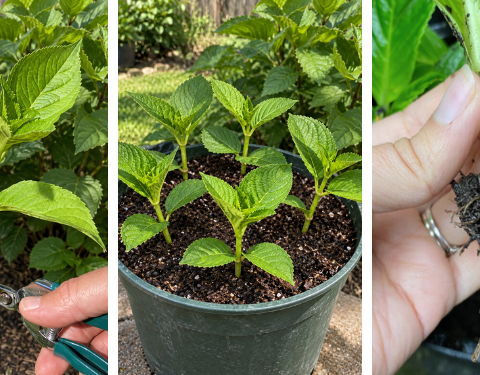
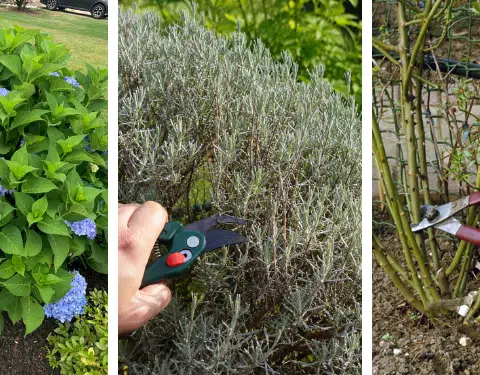
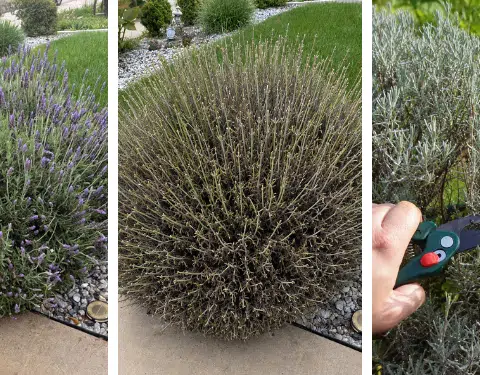
6. Prune and Trim
Why It’s Important
Evening pruning minimizes plant stress and reduces the risk of sun damage to freshly cut areas.
Tips:
- Proper Tools: Use sharp, clean tools to make precise cuts.
- Timing: Prune flowering plants after they bloom and others according to their growth cycle.
7. Feed Your Plants
Why It’s Important
Evening is a good time to fertilize as cooler temperatures allow plants to absorb nutrients more efficiently.
Tips:
- Balanced Fertilizer: Use a balanced fertilizer suitable for the specific needs of your plants.
- Follow Instructions: Apply the correct amount as per the fertilizer’s instructions.
8. Check Soil Moisture
Why It’s Important
Ensuring your soil has the right moisture level helps maintain healthy plant growth.
Tips:
- Finger Test: Stick your finger into the soil up to the first knuckle to check for moisture.
- Adjust Watering: Adjust your watering schedule based on the moisture level.
9. Plan for the Next Day
Why It’s Important
Planning helps you stay organized and ensures you don’t miss any crucial gardening tasks.
Tips:
- Make a List: Note down tasks such as planting, weeding, or pest control for the next day.
- Check Weather: Look at the weather forecast to plan appropriate activities.
10. Relax and Enjoy
Why It’s Important
Spending a few moments enjoying your garden in the evening can be very relaxing and rewarding.
Tips:
- Observe: Take time to observe the growth and health of your plants.
- Appreciate: Enjoy the peaceful ambiance and beauty of your evening garden.
Evening gardening activities can be incredibly beneficial for the health and beauty of your garden.
By watering, inspecting for pests, deadheading, weeding, mulching, pruning, feeding, checking soil moisture, planning, and simply enjoying your garden, you can ensure that it flourishes throughout the growing season.
Embrace these evening tasks to keep your garden thriving and vibrant.