Houseplants not only enhance the aesthetic appeal of your home but also purify the air, reduce stress, and bring a touch of nature indoors.
However, keeping them healthy and thriving requires proper care, the right environment, and a few expert tricks.
If you struggle with keeping your indoor plants alive, don’t worry! With these 8 clever tips, your houseplants will flourish like never before.
1. Give Your Plants the Right Amount of Water
One of the most common mistakes plant owners make is overwatering or underwatering their plants.
Each plant has different water requirements, so it’s important to understand the needs of your specific houseplants.
How to Water Houseplants the Right Way:
✔️ Use the finger test – Stick your finger about 1-2 inches into the soil. If it feels dry, it’s time to water. If it’s still damp, wait a few more days.
✔️ Water deeply but infrequently to encourage strong root growth.
✔️ Use room-temperature water to avoid shocking the roots.
✔️ Drainage is key! Always ensure your pots have drainage holes to prevent root rot.
💡 Pro Tip: If you frequently forget to water, consider using self-watering pots or placing a dish with small pebbles underneath the pot to retain moisture.
2. Provide the Right Amount of Light
Houseplants vary in their light requirements, and getting this right is essential for healthy growth.
Light Levels for Different Houseplants:
🌿 Low-Light Plants: Snake Plant, ZZ Plant, Peace Lily, Pothos
🌞 Medium-Light Plants: Philodendron, Spider Plant, Chinese Evergreen
☀️ Bright, Direct Light Plants: Succulents, Cacti, Fiddle Leaf Fig, Aloe Vera
How to Ensure Proper Lighting:
✔️ Place high-light plants near south or west-facing windows.
✔️ Rotate your plants every few weeks to ensure even growth.
✔️ For low-light rooms, use grow lights to supplement natural light.
💡 Pro Tip: If your plant’s leaves are turning yellow, it may be getting too much light. If they are dropping or stretching, they may need more light.
3. Keep Humidity Levels in Check
Many houseplants, especially tropical ones like Ferns, Orchids, and Monsteras, need higher humidity to thrive. If your indoor air is too dry, plants can develop brown leaf tips and dry edges.
How to Increase Humidity for Houseplants:
✔️ Mist your plants regularly with a spray bottle.
✔️ Use a humidity tray – Place a shallow tray filled with pebbles and water under the plant.
✔️ Group plants together – They naturally create a humid microclimate.
✔️ Use a room humidifier to maintain consistent moisture levels.
💡 Pro Tip: Keep plants away from air vents, radiators, and drafts, which can dry them out quickly.
4. Feed Your Plants the Right Nutrients
Just like humans, plants need a balanced diet to grow healthy and strong. Using the right fertilizer can significantly boost your plant’s growth and overall health.
Best Fertilizers for Houseplants:
🌿 Liquid Fertilizer – Ideal for quick nutrient absorption.
🌱 Slow-Release Fertilizer – Provides nutrients over time.
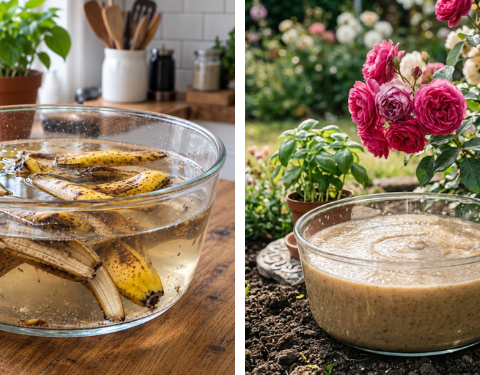
🍌 Organic Options – Compost tea, banana peels, or eggshells work as great natural fertilizers.
How to Fertilize Properly:
✔️ Feed during the growing season (Spring & Summer) and reduce in Fall & Winter.
✔️ Use a balanced houseplant fertilizer (10-10-10) every 4-6 weeks.
✔️ Avoid over-fertilizing, as this can cause root burn.
💡 Pro Tip: If your plant has yellowing leaves or slow growth, it may need a nutrient boost.
5. Dust Your Plants to Help Them Breathe
Did you know that dust can block a plant’s ability to absorb sunlight? Over time, dust buildup can clog leaf pores, reducing photosynthesis and air purification.
How to Clean Houseplant Leaves:
✔️ Wipe leaves with a damp cloth every 2-3 weeks.
✔️ For delicate plants, use a soft brush or gently rinse under lukewarm water.
✔️ For plants with hairy leaves, like African Violets, use a soft paintbrush to remove dust.
💡 Pro Tip: Add a few drops of neem oil to your cleaning water to prevent pests.
6. Rotate and Prune for Even Growth
Houseplants naturally grow toward the light, which can make them lean to one side over time. Regular rotation and pruning keep them balanced and healthy.
How to Keep Houseplants Well-Shaped:
✔️ Rotate your plant every 1-2 weeks to promote even growth.
✔️ Prune dead or yellowing leaves to encourage new growth.
✔️ Pinch back leggy stems to create a fuller, bushier plant.
💡 Pro Tip: Pruning stimulates new leaf development and prevents plants from becoming too tall and sparse.
7. Protect Against Common Houseplant Pests
Indoor plants can sometimes attract unwanted pests like spider mites, fungus gnats, and mealybugs. The key to keeping your plants pest-free is early detection and natural treatments.
How to Get Rid of Houseplant Pests Naturally:
🐞 Spider Mites: Spray with neem oil or wipe leaves with soapy water.
🪰 Fungus Gnats: Let the soil dry between waterings and use sticky traps.
🌿 Mealybugs: Dab them with rubbing alcohol using a cotton swab.
💡 Pro Tip: Quarantine new plants for a few weeks before placing them with your other houseplants to prevent pest infestations.
8. Repot When Necessary
If your plant has stopped growing, roots are circling the pot, or water drains too quickly, it might be time to repot.
Signs Your Houseplant Needs Repotting:
✔️ Roots growing out of drainage holes.
✔️ Soil dries out too fast after watering.
✔️ Slow growth despite proper care.
How to Repot a Houseplant:
- Choose a pot 1-2 inches larger than the current one.
- Use fresh potting mix to replenish nutrients.
- Gently loosen the roots before placing the plant in the new pot.
- Water thoroughly after repotting.
💡 Pro Tip: Spring is the best time to repot plants, as they enter their active growing phase.
Keeping houseplants happy isn’t difficult when you understand their needs. By following these 8 clever tricks, you can enjoy lush, thriving indoor plants that beautify your home and improve your well-being.
Quick Recap:
✅ Water correctly and ensure proper drainage.
✅ Place plants in the right amount of light.
✅ Maintain humidity levels for tropical plants.
✅ Feed plants with nutrients and fertilizers.
✅ Dust leaves to improve photosynthesis.
✅ Rotate and prune for balanced growth.
✅ Protect against pests naturally.
✅ Repot when necessary for strong root health.
With just a little attention and care, your houseplants will flourish all year round. 🌱✨