A garden arch is more than just a structural feature—it’s an invitation. Whether placed at the entrance to your garden, over a pathway, or framing a cozy seating nook, garden arches instantly add depth, charm, and visual drama to any outdoor space.
They serve a variety of purposes: framing views, defining transitions between areas, creating vertical interest, and even offering shade and privacy when covered with lush climbing plants.
Whether you’re designing a traditional cottage garden or a modern outdoor escape, garden arches can elevate your landscape from ordinary to enchanting.
What Is a Garden Arch?
A garden arch is a freestanding or wall-connected structure, typically arched or curved in shape, that is used to support climbing plants or vines.
It can be a focal point in the landscape, an elegant way to frame an entrance, or a shaded tunnel to walk through.
Once covered with flowering or foliage-rich plants, it becomes a living feature that evolves with the seasons.
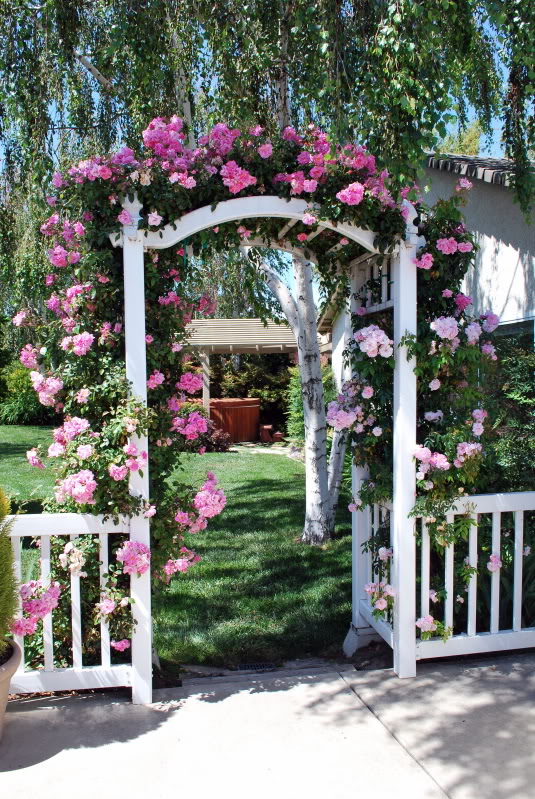
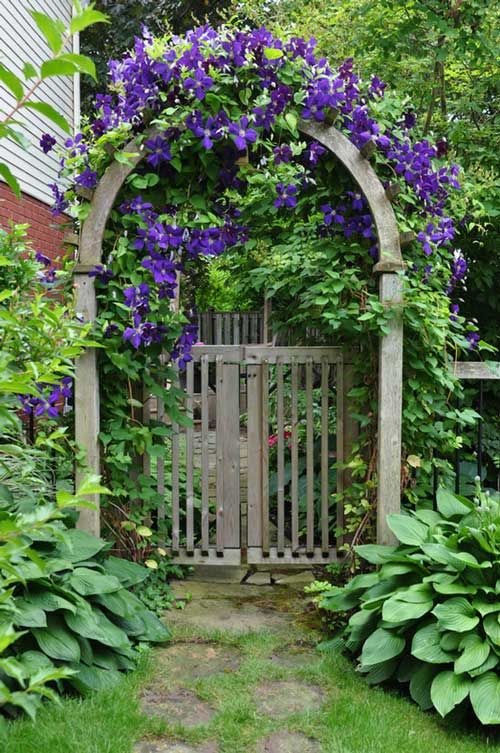
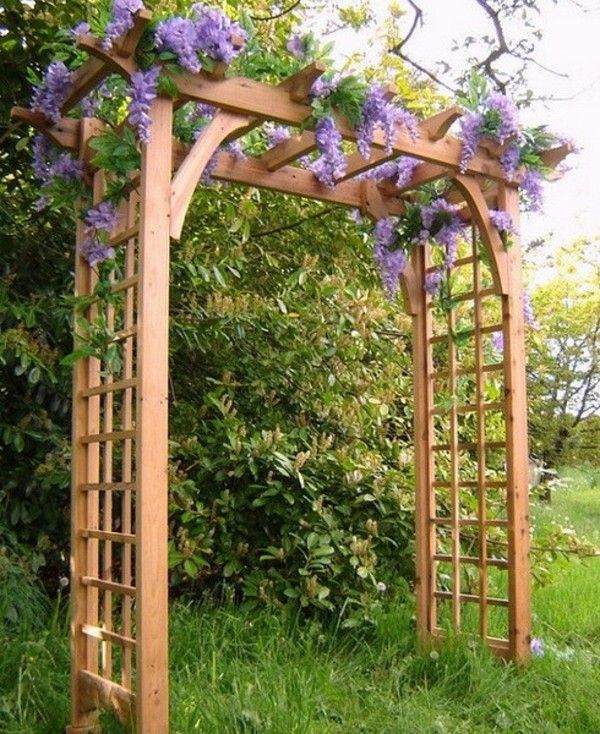
Why Add a Garden Arch to Your Outdoor Space?
-
Creates a Focal Point: Draws attention and adds structure to a flat or open garden space.
-
Defines Spaces: Marks transitions between garden zones or entrances.
-
Offers Shade and Privacy: Covered arches offer cooling shade for relaxation spots and increase seclusion.
-
Supports Climbing Plants: Gives vertical growing space for flowering vines and ornamental climbers.
-
Adds Romance and Elegance: A flower-covered arch feels whimsical and magical—perfect for gardens, weddings, or outdoor events.
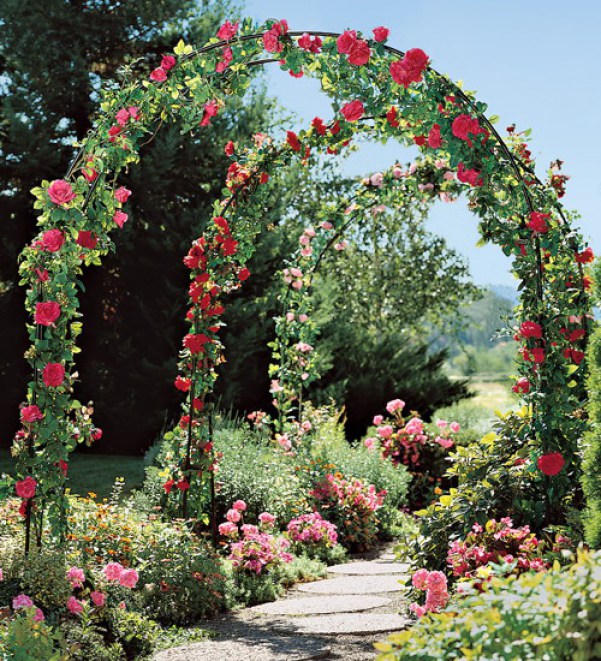
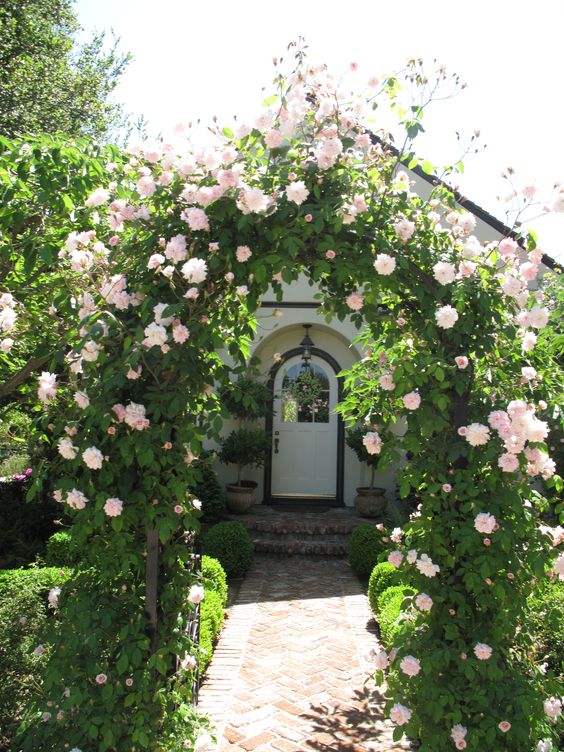
Garden Arch Materials and Styles
Garden arches come in a variety of materials, shapes, and styles, making it easy to find one that matches your garden theme or personal taste:
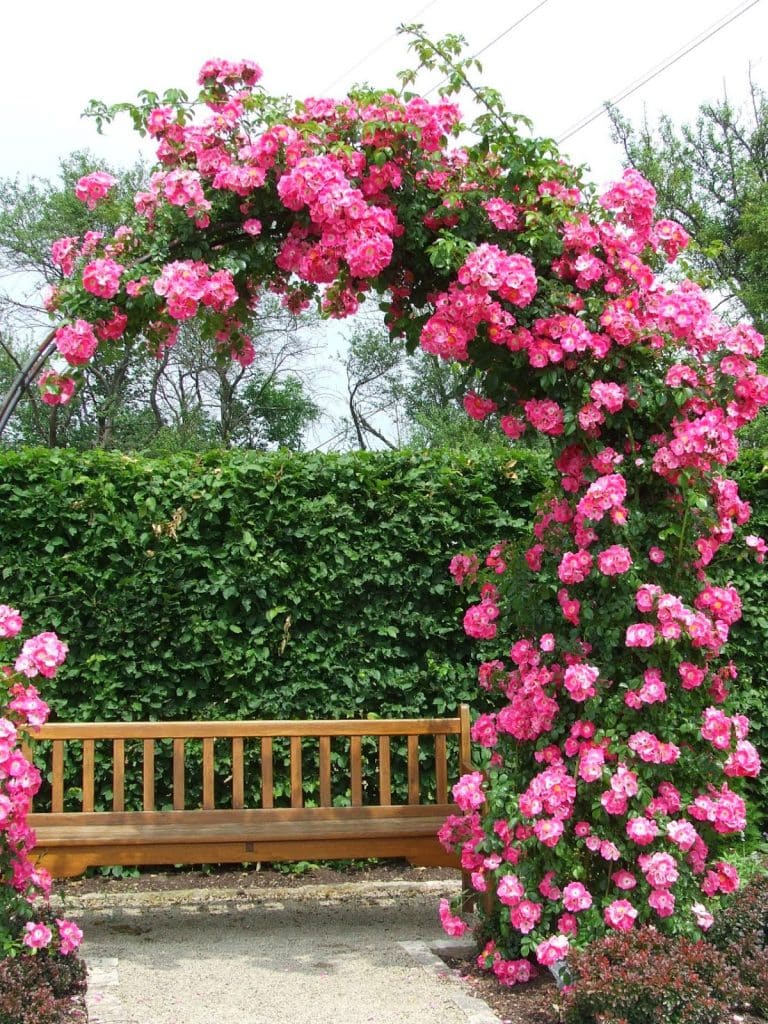
1. Wooden Garden Arches
-
Natural and rustic; ideal for cottage gardens and informal landscapes.
-
Can be painted or stained to match garden furniture or fencing.
-
Often used with roses, clematis, and honeysuckle.
2. Wrought Iron or Steel Arches
-
Sleek and durable; perfect for modern or formal gardens.
-
Often feature intricate scrollwork and elegant curves.
-
Ideal for supporting heavier vines like wisteria or climbing hydrangeas.
3. Vinyl or PVC Arches
-
Low-maintenance and weather-resistant.
-
Clean lines suit contemporary or minimalist gardens.
-
Lighter and often easier to install.
4. DIY Arches from Reclaimed Materials
-
Arches can also be made from repurposed branches, bamboo, or even old metal piping.
-
Ideal for a sustainable, eco-conscious garden aesthetic.
Best Climbing Plants to Cover Garden Arches
Choosing the right plant can make all the difference in how your arch looks and performs. Consider sun exposure, climate, and the level of care required when selecting a climbing plant.
1. Clematis
-
Known for its wide range of colorful flowers, from deep purples to pastel pinks.
-
Most varieties prefer sun on their leaves and shade at their roots.
-
Blooms in spring, summer, or even fall depending on the type.
2. Blue Moon Wisteria
-
A vigorous, twining vine with cascading clusters of fragrant lilac-blue flowers.
-
Ideal for larger, sturdy arches made from wood or wrought iron.
-
Needs full sun and regular pruning to control growth.
3. Sweet Peas
-
Fast-growing annuals with fragrant, delicate blooms in soft pastels and vibrant hues.
-
Perfect for seasonal color from spring through summer.
-
Requires a support net or string in addition to the arch structure.
4. Morning Glory
-
A prolific, low-maintenance vine that blooms in vivid shades of purple, blue, and pink.
-
Opens in the morning and closes in the afternoon.
-
Great for quick seasonal coverage and attracting pollinators.
5. Bougainvillea
-
Best suited for warm climates; thrives in full sun.
-
Produces an explosion of bold color in pink, purple, orange, and red.
-
Prefers drier soils and needs minimal watering once established.
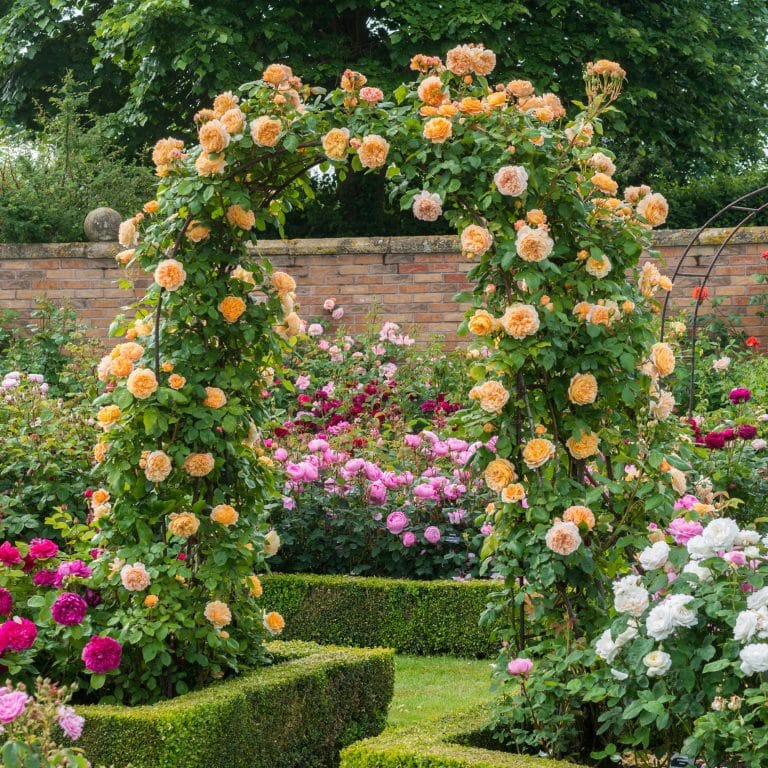
6. Climbing Roses
-
A timeless choice for classic, romantic gardens.
-
Many varieties bloom repeatedly throughout the season and offer sweet fragrance.
-
Needs sturdy support and regular training along the arch.
7. Honeysuckle (Lonicera spp.)
-
Highly fragrant and attracts hummingbirds and bees.
-
Fast-growing and easy to manage.
-
Suitable for partial shade to full sun.
8. Jasmine
-
Famed for its heavenly scent.
-
Evergreen varieties available for year-round foliage.
-
Does well in sunny, sheltered locations.
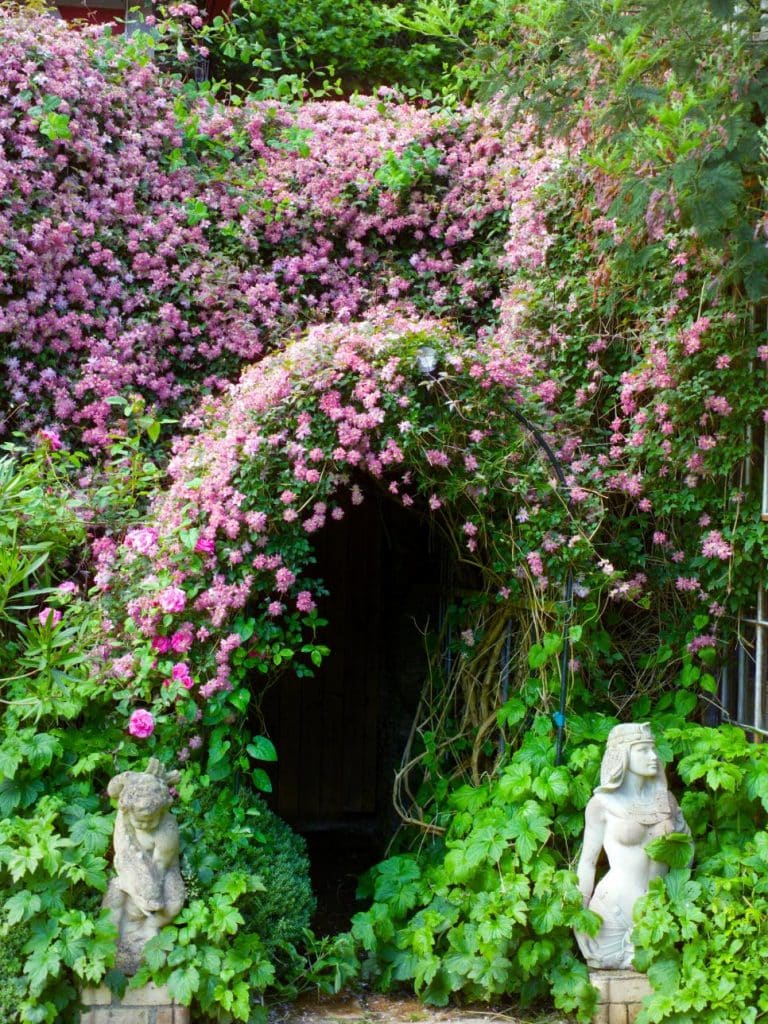
Design Tips for Flower-Covered Garden Arches
-
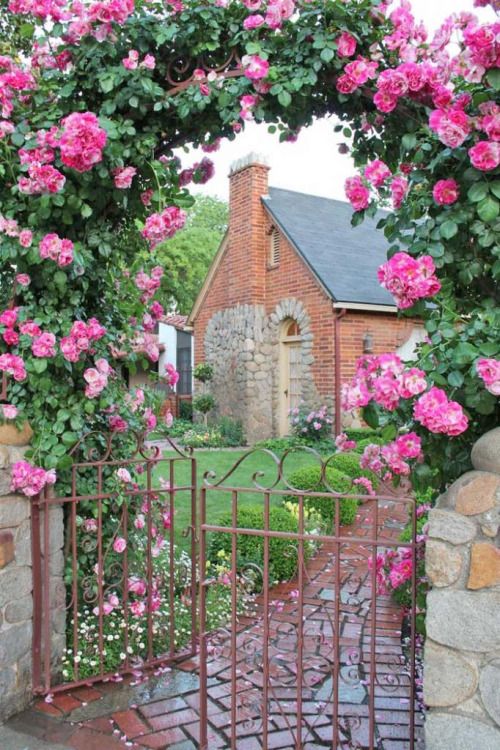
Pair with pathways: Place an arch over a garden path to encourage exploration and create an immersive experience.
-
Use as an entrance: Frame the entry to your garden, patio, or vegetable patch to make it feel like a special destination.
-
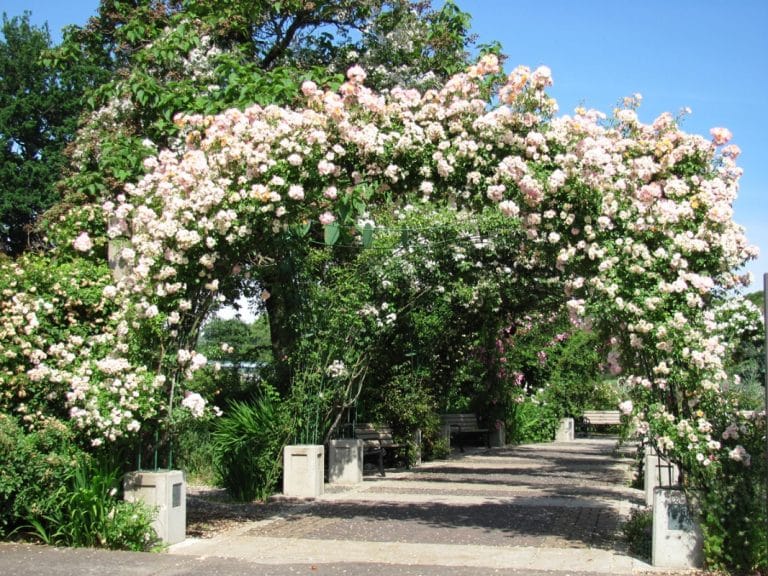
Double up: Place multiple arches in a row to form a tunnel effect or a dramatic floral walkway.
-
Add lighting: Wrap fairy lights or install solar lanterns to enjoy the beauty of your arch after sunset.
-
Mix climbers: Combine two complementary climbing plants—like roses and clematis—for a layered, textured display with extended bloom periods.
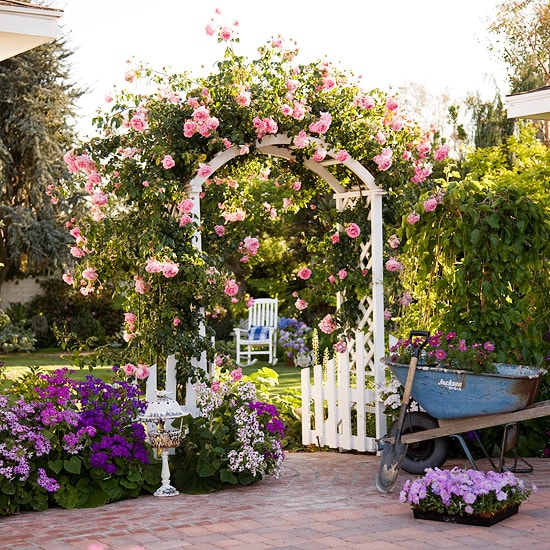
A garden arch isn’t just a structural element—it’s an opportunity to create living art in your outdoor space.
With the right plants and materials, you can design a breathtaking floral feature that adds beauty, privacy, and even a bit of magic to your garden.
Whether you’re planning a simple backyard upgrade or dreaming of a romantic garden transformation, a flower-covered arch is a timeless addition that offers charm and functionality all year long.