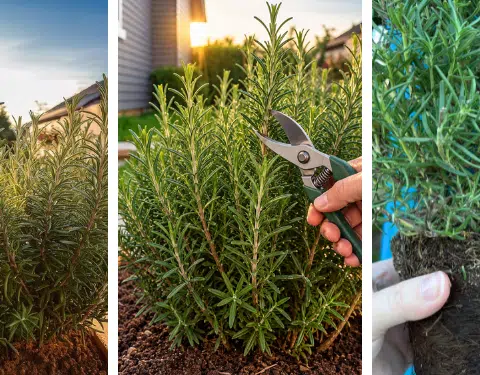
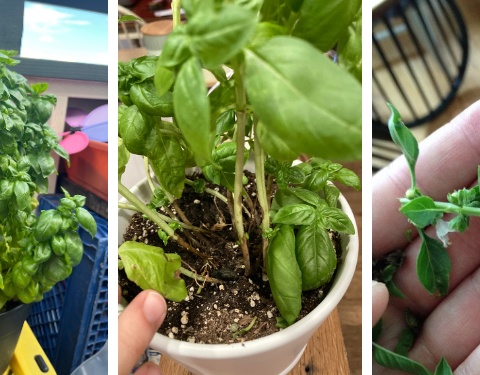
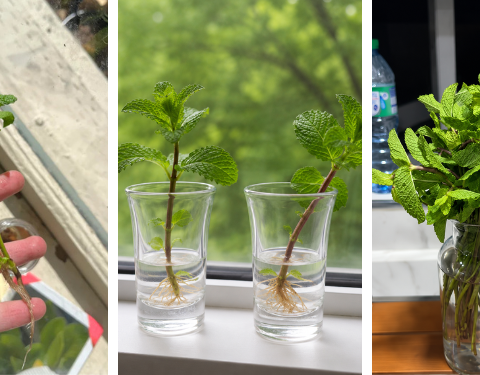
Growing your own medicinal herbs is one of the most rewarding and empowering things you can do for your health.
Not only do they add flavor and fragrance to your garden, but they also serve as natural remedies for everything from colds and anxiety to inflammation and digestion issues.
With rising interest in holistic wellness and sustainable living, more people are turning to homegrown herbal medicine as a natural alternative to over-the-counter drugs.
The good news? You don’t need a big backyard or greenhouse. Most medicinal herbs can thrive in containers, raised beds, or even a sunny kitchen windowsill.
Here are 12 powerful medicinal herbs you can grow at home — along with their health benefits, growing tips, and how to use them.
1. Chamomile (Matricaria chamomilla)
Chamomile is best known for its gentle, calming effects. Often consumed as a tea, it helps relieve anxiety, promote sleep, and soothe digestive upset.
Benefits:
-
Reduces anxiety and insomnia
-
Calms upset stomachs and indigestion
-
Soothes sore throats and menstrual cramps
Growing Tips:
-
Thrives in full sun
-
Prefers well-draining soil
-
Harvest the flowers and dry them for tea
2. Lemon Balm (Melissa officinalis)
A member of the mint family, lemon balm has a mild lemon scent and is highly regarded for its anti-anxiety and antiviral properties. It’s also known to boost mood and concentration.
Benefits:
-
Calms the nervous system
-
Helps treat colds and cold sores (antiviral)
-
Enhances focus and reduces stress
Growing Tips:
-
Grows well in partial shade or sun
-
Spreads easily – consider container planting
-
Use fresh or dried in teas and tinctures
3. Peppermint (Mentha × piperita)
Peppermint is a hybrid mint plant famous for its cooling flavor and powerful digestive benefits. It’s commonly used to relieve nausea, bloating, and tension headaches.
Benefits:
-
Eases digestion and gas
-
Relieves nausea and motion sickness
-
Provides headache and sinus pressure relief (especially in oil form)
Growing Tips:
-
Grow in containers to control spreading
-
Prefers moist, rich soil in partial sun
-
Leaves can be used fresh or dried in teas and balms
4. Echinacea (Echinacea purpurea)
Echinacea, or purple coneflower, is a well-known immune-boosting herb used to prevent and reduce the duration of colds and respiratory infections.
Benefits:
-
Strengthens immune system
-
Reduces inflammation
-
Helps fight respiratory infections
Growing Tips:
-
Full sun and well-drained soil
-
Perennial in USDA zones 3–9
-
Use roots and flowers for teas and tinctures
5. Thyme (Thymus vulgaris)
More than just a kitchen herb, thyme has antibacterial, antifungal, and antiviral properties. It’s excellent for respiratory support and cough relief.
Benefits:
-
Clears congestion and coughs
-
Natural antiseptic
-
Supports immune health
Growing Tips:
-
Needs full sun and well-drained soil
-
Prune often to encourage new growth
-
Use in teas, steam inhalations, or as a tincture
6. Holy Basil (Tulsi) (Ocimum sanctum)
Holy basil, or Tulsi, is a revered adaptogenic herb in Ayurvedic medicine. It’s used to balance stress hormones, enhance immunity, and improve resilience to physical and emotional stress.
Benefits:
-
Lowers cortisol levels (stress hormone)
-
Enhances immunity and stamina
-
Supports respiratory health
Growing Tips:
-
Needs full sun and warm temperatures
-
Water regularly but don’t overwater
-
Harvest leaves for tea or tinctures
7. Calendula (Calendula officinalis)
Calendula is a bright, sunny flower known for its wound-healing and skin-soothing properties. It’s often used in salves, creams, and herbal oils.
Benefits:
-
Promotes skin healing
-
Reduces inflammation and rashes
-
Antimicrobial and antifungal
Growing Tips:
-
Grows well in full sun
-
Deadhead flowers to promote more blooms
-
Use petals fresh or dried in skincare recipes
8. Lavender (Lavandula angustifolia)
Lavender is widely recognized for its calming scent, which helps with stress, anxiety, and sleep issues. It’s also a natural antiseptic and anti-inflammatory.
Benefits:
-
Promotes restful sleep
-
Reduces anxiety and depression
-
Relieves minor burns and bug bites
Growing Tips:
-
Needs full sun and dry, well-drained soil
-
Drought-tolerant once established
-
Use dried flowers in sachets, teas, or oils
9. Sage (Salvia officinalis)
Sage is both a culinary herb and natural remedy, used for soothing sore throats, improving memory, and reducing inflammation. It has strong antibacterial and antimicrobial effects.
Benefits:
-
Soothes sore throats and mouth ulcers
-
Enhances memory and brain function
-
Balances female hormones (especially during menopause)
Growing Tips:
-
Needs full sun and well-drained soil
-
Do not overwater; prune regularly
-
Use fresh or dried in teas and gargles
10. Oregano (Origanum vulgare)
Oregano is a powerful natural antibiotic with high levels of carvacrol and thymol — compounds that fight bacteria, viruses, and fungi. It’s often used to support immune and respiratory health.
Benefits:
-
Antibacterial and antifungal
-
Supports digestion and gut health
-
Helps relieve respiratory issues
Growing Tips:
-
Full sun and well-drained soil
-
Pinch back stems to encourage bushier growth
-
Leaves can be used fresh or dried in teas and oils
11. Yarrow (Achillea millefolium)
Yarrow is a time-honored medicinal herb used to stop bleeding, support digestion, and reduce inflammation. It’s often used in first-aid salves, teas, and tinctures.
Benefits:
-
Helps stop minor cuts from bleeding
-
Eases fevers and colds
-
Anti-inflammatory and antispasmodic
Growing Tips:
-
Full sun to partial shade
-
Drought-tolerant once established
-
Harvest flowers for teas or skin applications
12. Fennel (Foeniculum vulgare)
Fennel has a sweet, licorice-like flavor and is used traditionally to aid digestion, relieve gas and bloating, and even stimulate milk production in nursing mothers.
Benefits:
-
Soothes upset stomach
-
Relieves gas and bloating
-
Supports hormonal balance
Growing Tips:
-
Prefers full sun and fertile soil
-
Keep moist during dry periods
-
Use seeds or leaves in tea blends
Growing your own medicinal herb garden is not only practical and affordable — it’s also a powerful way to take control of your health naturally.
Whether you’re looking to boost immunity, calm anxiety, treat colds, or support digestion, these herbs offer natural solutions right from your backyard or windowsill.