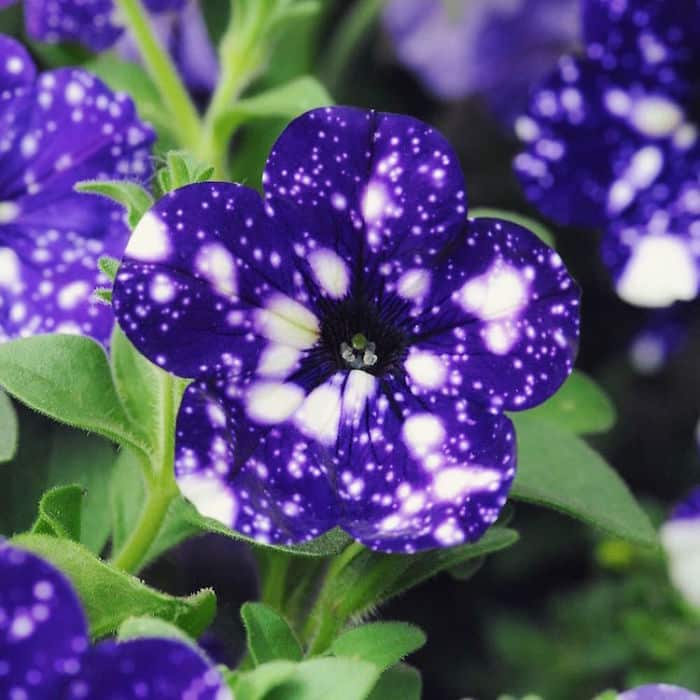
Nature never ceases to amaze us, and few plants capture the wonder of the cosmos quite like the “Galaxy” Petunia.
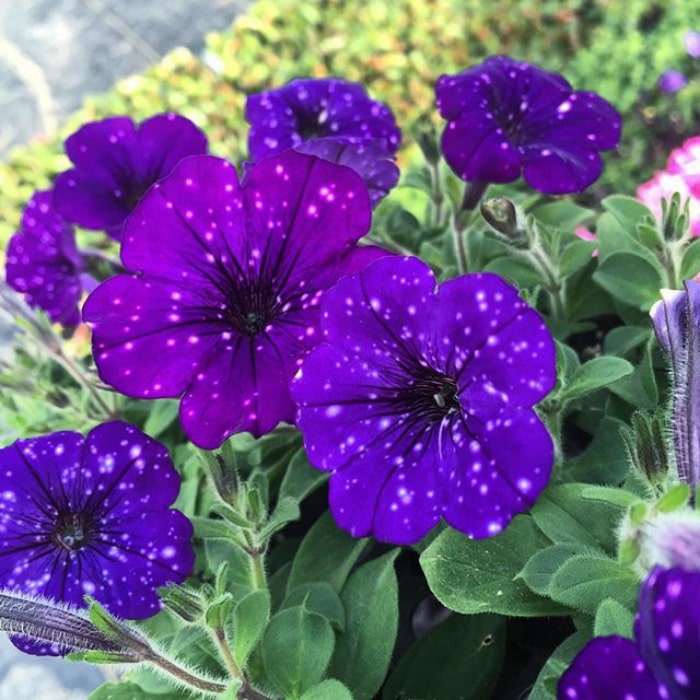
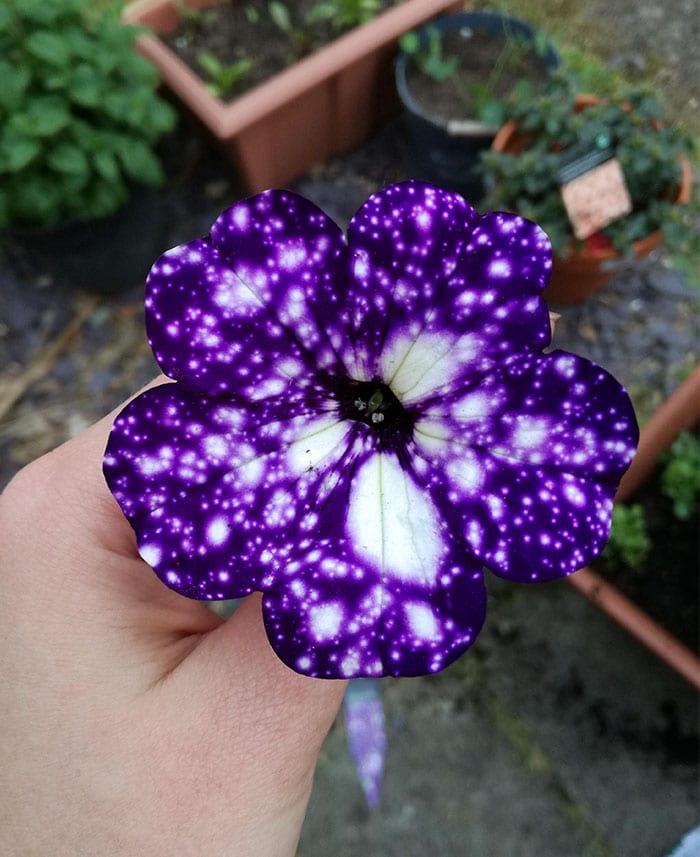
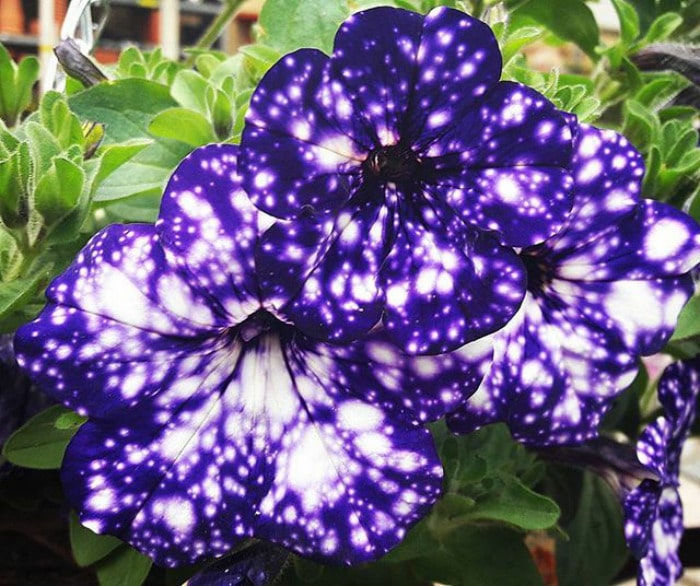
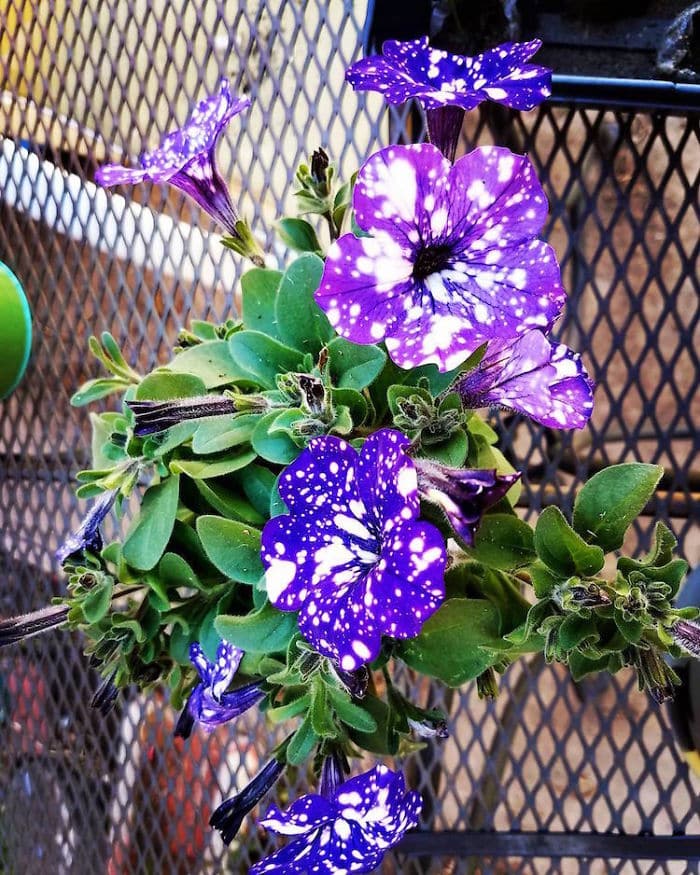
Known for their deep purple petals speckled with white and violet spots, these extraordinary flowers look as if they were plucked straight from the night sky.
Nicknamed Night Sky Petunias or Galaxy Petunias, these blooms truly appear to hold entire universes on their petals.
Whether you’re an avid gardener, a lover of the stars, or simply someone looking to add a unique touch to your garden, Galaxy Petunias offer unmatched beauty and visual intrigue.
In this article, we’ll dive into what makes these flowers so special, how to grow and care for them, and why they’re becoming a must-have in ornamental gardens around the world.
What Are Galaxy Petunias?
Galaxy Petunias (also sold under names like Night Sky, Starry Sky Burgundy, or Purple Galaxy Petunia) are a unique variety of Petunia hybrida, prized for their celestial pattern of white speckles on deep violet or indigo petals.
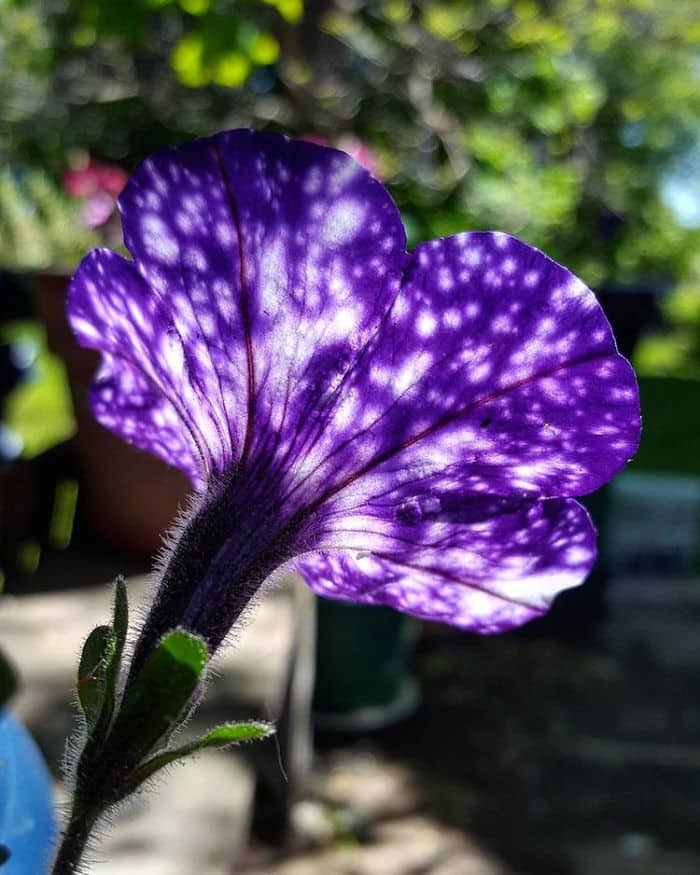
The pattern resembles stars scattered across the night sky, making each bloom appear as if it contains a miniature galaxy.
Unique Features:
-
Star-like speckles and streaks on each petal
-
Color variations influenced by temperature and light conditions
-
Velvety texture and trumpet-shaped flowers
-
Long-lasting blooms from spring through fall
Each flower is one of a kind. No two blooms are ever identical, just like the stars in our universe.
What Causes the Galaxy Pattern?
The galactic appearance of these flowers isn’t due to genetic manipulation or dyes—it’s a natural phenomenon influenced by environmental factors, particularly temperature and light exposure.
-
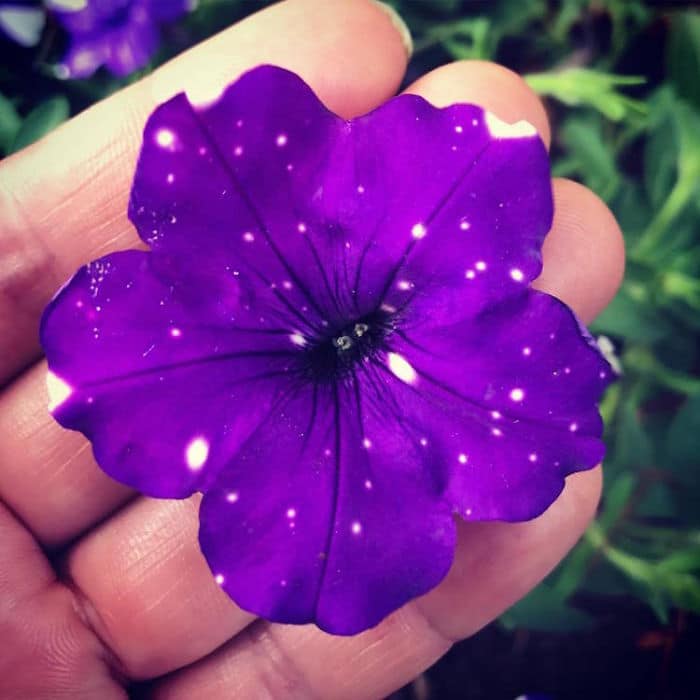
Cooler night temperatures (below 65°F/18°C) tend to enhance the white speckling on petals.
-
Warmer temperatures or excessive heat may reduce or eliminate the pattern temporarily.
-
Bright light and sunlight help develop more intense colors and patterns.
These environmental shifts create ever-changing blooms that reflect the beauty and mystery of the cosmos, making the plant feel alive and dynamic in your garden.
How to Grow Galaxy Petunias
Despite their exotic look, Galaxy Petunias are surprisingly easy to grow. They require the same basic care as traditional petunias, with a few special considerations to help them maintain their signature star-speckled look.
Ideal Growing Conditions:
-
USDA Zones: Best grown as annuals in Zones 9–11, but can be grown in containers anywhere
-
Light: Full sun (at least 6 hours per day)
-
Soil: Well-draining, nutrient-rich soil with a pH of 6.0 to 7.0
-
Water: Moderate—keep soil evenly moist but not soggy
Planting Tips:
-
Start seeds indoors 10–12 weeks before the last frost date or buy young starter plants from a nursery.
-
Transplant outdoors once the danger of frost has passed and soil has warmed.
-
Space plants about 10–12 inches apart for full coverage and airflow.
-
Mulch to retain moisture and suppress weeds.
Caring for Galaxy Petunias
To keep your petunias blooming all season long and maintain their stunning starry appearance, follow these care tips:
Watering:
-
Water regularly, especially during hot weather.
-
Avoid wetting the leaves and flowers to prevent fungal diseases.
Fertilizing:
-
Use a balanced liquid fertilizer every 2–3 weeks to support continuous blooming.
-
Consider a bloom booster during mid-summer for extra flower production.
Pruning and Deadheading:
-
Regularly remove spent blooms to encourage new ones.
-
Trim leggy stems to promote bushier growth.
Temperature Control:
-
If you’re growing in containers, move the plants to a cooler location at night to intensify the white speckles.
-
Avoid excessive heat, which may cause the white spots to fade.
Growing in Containers and Hanging Baskets
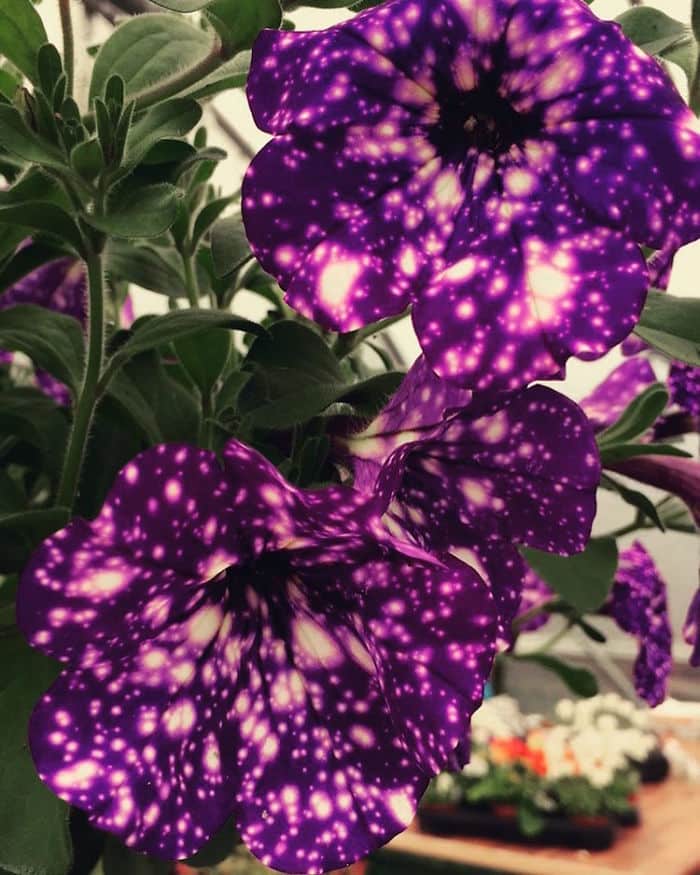
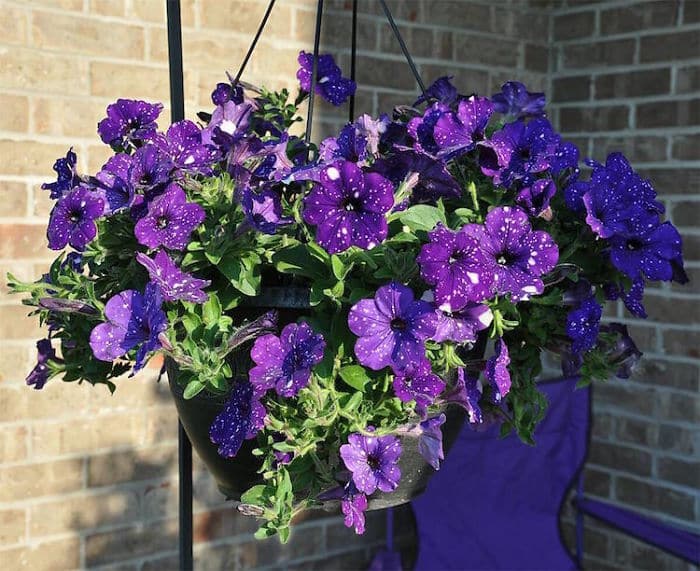
Galaxy Petunias are perfect for containers, window boxes, and hanging baskets, where their celestial patterns can be admired up close. Their cascading habit makes them ideal for elevated displays, and their bold colors complement both modern and rustic garden styles.
Container Tips:
-
Use containers with good drainage.
-
Choose a high-quality potting mix formulated for flowering annuals.
-
Rotate pots regularly for even sun exposure.
Companion Plants and Garden Design Ideas
Galaxy Petunias are showstoppers on their own, but they also pair beautifully with other plants in themed gardens.
Great Companion Plants:
-
Silver Dust (Dusty Miller): Provides a cool-toned contrast to the dark purple petals.
-
Sweet Alyssum: Adds fragrance and soft texture to your arrangement.
-
White or yellow calibrachoa: Brightens containers and complements the petunia’s starry blooms.
-
Trailing ivy or creeping jenny: Adds cascading greenery in mixed planters.
Design Themes:
-
Celestial garden: Pair with other night-inspired plants like Moonflower or Night Phlox.
-
Galaxy-themed patio: Combine Galaxy Petunias with dark purple cushions, string lights, and cosmic decor.
-
Pollinator garden: While not a primary food source, petunias still attract butterflies and some beneficial insects.
Where to Buy Galaxy Petunias
These stunning plants are available at most nurseries during spring and early summer. You can also purchase seeds or young plants online through trusted garden retailers.
When buying seeds, look for varieties labeled as:
-
Night Sky Petunia
-
Purple Galaxy
-
Starry Sky Burgundy
-
Headliner Series (Petunia hybrida)
If you’re growing from seed, start indoors and be patient—Galaxy Petunias take time to develop their signature star-speckled look after the plant matures and environmental conditions align.
Few flowers have the power to spark curiosity and admiration like Galaxy Petunias. Their deep purple petals dusted with cosmic white spots make them a true marvel of nature and science.
Whether you’re designing a themed garden, looking for a conversation starter, or simply want to bring some celestial beauty to your backyard, these flowers are a perfect choice.
By giving them the right care, light, and temperature conditions, you can grow blooms that look like miniature galaxies—all from the comfort of your home.