Did you know that indoor plants can improve your mood, reduce stress, and even fight sadness? Studies have shown that being around greenery can boost mental well-being, increase focus, and create a sense of calm.
If you’re feeling down or just want to create a happier, healthier indoor space, adding a few carefully selected plants can make all the difference.
Here are five amazing indoor plants that help fight sadness, reduce stress, and improve your overall well-being—along with tips on how to care for them!
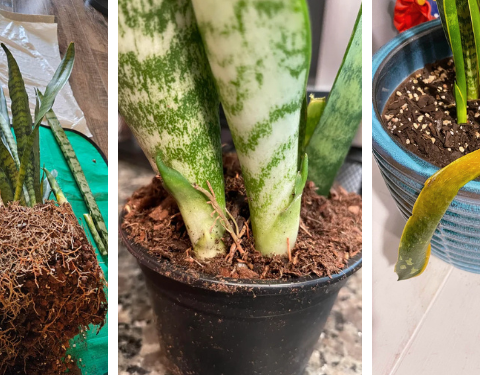
1. Snake Plant (Sansevieria) – The Air-Purifying Mood Booster
Why It Helps Fight Sadness:
- Cleans indoor air by removing toxins like formaldehyde and benzene.
- Boosts oxygen levels, improving concentration and reducing fatigue.
- Requires little care, making it perfect for busy or stressed individuals.
How to Care for a Snake Plant:
- Light: Thrives in low to bright indirect light.
- Water: Water only when the soil is completely dry (every 2-3 weeks).
- Humidity: Tolerates dry air, making it great for homes with heaters or AC.
Bonus Tip: Place a snake plant in your bedroom—it releases oxygen at night, improving sleep quality!
Did You Know? NASA listed the snake plant as one of the top air-purifying plants, making it an excellent choice for mental and physical well-being.
2. Lavender (Lavandula) – The Stress-Relieving Plant
Why It Helps Fight Sadness:
- Aromatherapy benefits: The scent of lavender is scientifically proven to reduce anxiety and stress.
- Encourages relaxation and better sleep by lowering heart rate and blood pressure.
- Acts as a natural antidepressant, making it a great choice for those feeling overwhelmed.
How to Care for a Lavender Plant:
- Light: Needs at least 6 hours of bright, direct sunlight daily.
- Water: Keep soil lightly moist but avoid overwatering.
- Humidity: Prefers low humidity and good air circulation.
Bonus Tip: Place lavender near your bedside or workspace to enhance relaxation and focus.
Did You Know? Studies show that lavender essential oil can help with insomnia, anxiety, and depression—having a fresh lavender plant amplifies these effects naturally!
3. Aloe Vera – The Healing Happiness Plant
Why It Helps Fight Sadness:
- Improves indoor air quality, reducing pollutants that can cause stress.
- Symbolizes healing and renewal, creating a peaceful atmosphere.
- Easy to care for, reducing stress associated with high-maintenance plants.
How to Care for an Aloe Vera Plant:
- Light: Prefers bright, indirect light (near a sunny window).
- Water: Water deeply but allow soil to dry completely before the next watering.
- Humidity: Thrives in low humidity (perfect for dry climates).
Bonus Tip: Keep aloe vera in your bathroom or kitchen—it can soothe burns and improve indoor air quality!
Did You Know? Aloe vera not only purifies the air but also emits oxygen at night, making it a great bedroom companion for better sleep and reduced stress.
4. Peace Lily (Spathiphyllum) – The Serenity Plant
Why It Helps Fight Sadness:
- Symbolizes peace and purity, creating a calm and harmonious environment.
- Removes toxins from the air, reducing headaches and fatigue.
- Boosts humidity levels, improving indoor air quality and preventing dryness.
How to Care for a Peace Lily:
- Light: Thrives in low to medium indirect light.
- Water: Keep soil slightly moist, but avoid overwatering.
- Humidity: Loves high humidity—mist it occasionally.
Bonus Tip: Keep a peace lily in your bedroom or living room to create a more relaxing atmosphere.
Did You Know? According to NASA’s Clean Air Study, peace lilies are one of the best plants for removing indoor toxins, which can contribute to feelings of stress and fatigue.
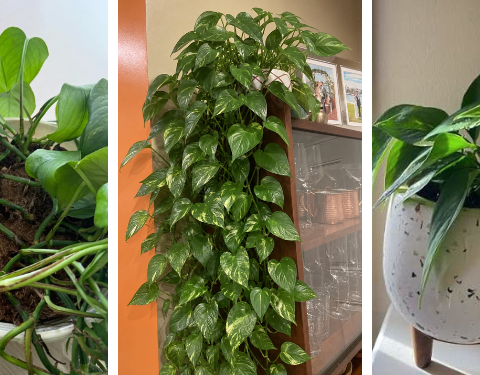
5. Pothos (Epipremnum aureum) – The Easy-Care Mood Lifter
Why It Helps Fight Sadness:
- Symbolizes prosperity and positivity, making it a great plant for uplifting energy.
- Extremely low maintenance, making it perfect for beginners.
- Removes toxins from the air, improving mental clarity and focus.
How to Care for a Pothos Plant:
- Light: Can survive in low to bright indirect light.
- Water: Water when the top inch of soil feels dry.
- Humidity: Thrives in moderate to high humidity.
Bonus Tip: Hang a pothos plant in your office or workspace to create a fresh, stress-free environment.
Did You Know? Pothos is known as the “devil’s ivy” because it’s almost impossible to kill—perfect for those new to plant care!
How Indoor Plants Improve Mood and Mental Health
Plants reduce stress and anxiety – Studies show that being around plants lowers cortisol levels, the hormone responsible for stress.
They improve indoor air quality – Many houseplants remove toxins like formaldehyde, benzene, and carbon dioxide, reducing fatigue and headaches.
Boost productivity and creativity – Greenery in indoor spaces has been linked to increased concentration and creativity, making them great for home offices.
Encourage mindfulness and relaxation – Caring for plants promotes a sense of purpose and routine, reducing anxiety and improving mood.
Natural connection to nature – Houseplants help bridge the gap between indoor living and the natural world, creating a calmer and more joyful environment.
Final Thoughts: Add More Green to Your Life!
If you’re looking for an easy, natural way to boost happiness, reduce stress, and create a more positive home environment, these 5 indoor plants are a great place to start.
Start small – Choose one or two plants that fit your space and lifestyle.
Create a green sanctuary – Arrange your plants where you spend the most time (workspace, bedroom, or living room).
Enjoy the benefits – Let these plants work their magic in reducing stress, improving air quality, and boosting your overall happiness!
🌿 Which of these plants do you already have? Which one would you love to add to your space? Let us know in the comments!