Cinnamon isn’t just for your kitchen—it’s also a powerful, all-natural solution for gardeners looking to protect their plants, prevent diseases, and deter pests.
This common spice is an affordable and chemical-free alternative to synthetic pesticides and fungicides, making it an essential ingredient for eco-friendly gardening.
In this article, we’ll explore the amazing ways you can use cinnamon to improve plant health, prevent fungal diseases, and naturally repel pests in your garden.
1. Cinnamon as a Natural Fungicide
One of the best uses of cinnamon in the garden is as a natural fungicide.
It helps prevent and control fungal infections such as damping-off disease, which affects young seedlings and causes them to rot before they establish strong roots.
How to Use Cinnamon as a Fungicide:
✔ Sprinkle cinnamon powder on the soil around seedlings to prevent fungal growth.
✔ Dust the stems and leaves of plants to stop existing fungal infections from spreading.
✔ Mix 1 tablespoon of cinnamon powder in a quart of warm water, let it sit overnight, then strain and spray onto affected plants.
🌱 Pro Tip: Using cinnamon in your seed-starting mix can protect vulnerable seedlings from fungal diseases!
2. Cinnamon for Pest Control
Cinnamon is an excellent natural pest deterrent, keeping common garden pests like ants, aphids, and mosquitoes at bay.
It works by disrupting their scent trails and irritating their bodies.
How to Use Cinnamon for Pest Control:
✔ Sprinkle cinnamon around plant bases to prevent ants and aphids from attacking your crops.
✔ Mix cinnamon with water and spray on plants to deter insects.
✔ Create a cinnamon barrier around garden beds to keep pests from crossing over.
🐜 Pro Tip: For houseplants, sprinkle a small amount of cinnamon on the soil to repel fungus gnats and other tiny pests.
3. Preventing Mold and Mildew in the Garden
Mold and mildew can quickly damage plants, especially in humid environments.
Cinnamon’s antifungal properties help prevent and reduce mold and mildew growth in your garden.
How to Use Cinnamon to Stop Mold:
✔ Dust cinnamon directly on moldy soil or affected plant leaves.
✔ Mix with water and spray on damp areas prone to mildew.
✔ Add cinnamon to compost bins to control unwanted mold growth.
🌿 Pro Tip: Apply cinnamon to potted plants and greenhouse crops to prevent mold from forming in humid conditions.
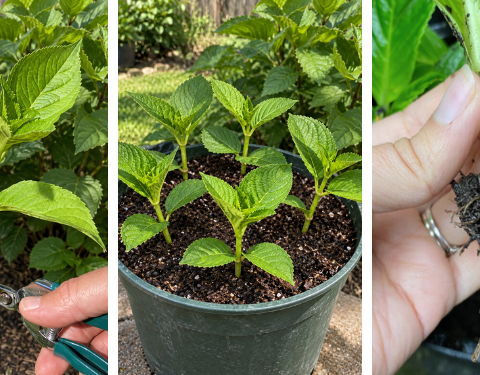
4. Cinnamon as a Rooting Hormone for Cuttings
Cinnamon is a fantastic, natural alternative to synthetic rooting hormones.
When applied to cuttings, it stimulates root growth and prevents fungal infections from killing new plants.
How to Use Cinnamon for Rooting Cuttings:
✔ Dip the cut end of plant cuttings into cinnamon powder before planting.
✔ Let the cinnamon-coated cuttings sit for a few minutes before inserting them into soil or water.
✔ Watch as your cuttings develop stronger, healthier roots!
🌱 Pro Tip: Using cinnamon with honey creates a powerful organic rooting hormone that promotes faster growth.
5. Cinnamon as a Soil Enhancer
Adding cinnamon to your garden soil can improve soil health, repel harmful organisms, and enhance plant vitality.
How to Use Cinnamon in the Soil:
✔ Mix 1-2 tablespoons of cinnamon into the soil before planting.
✔ Sprinkle cinnamon around the base of plants to prevent root rot.
✔ Use cinnamon to help revive weak or stressed plants.
🌿 Pro Tip: Cinnamon also neutralizes soil odors, making it a great addition to indoor potted plants!
6. Healing Plant Wounds with Cinnamon
If your plant suffers from pruning cuts, broken stems, or insect damage, cinnamon can help speed up the healing process and prevent infections.
How to Use Cinnamon for Healing Plants:
✔ Apply cinnamon powder directly to the damaged area.
✔ Use a clean brush or your fingers to dust the wound evenly.
✔ The cinnamon acts as a natural antiseptic, keeping infections away.
🌱 Pro Tip: This works great for fruit trees, shrubs, and other woody plants after pruning.
7. Using Cinnamon in the Greenhouse
If you grow plants in a greenhouse, cinnamon can be a game-changer.
It keeps fungal diseases, pests, and even unwanted smells under control.
How to Use Cinnamon in Greenhouses:
✔ Sprinkle cinnamon on greenhouse benches and soil beds to prevent mold.
✔ Add cinnamon to watering cans for an antifungal boost.
✔ Use cinnamon powder around entry points to deter pests from coming inside.
🌿 Pro Tip: Combine cinnamon with neem oil spray for maximum pest and disease protection in greenhouses.
8. Cinnamon as a Natural Ant Deterrent
Ants can disrupt root systems and attract other pests like aphids.
Cinnamon is a safe and natural way to repel them without harmful chemicals.
How to Use Cinnamon to Keep Ants Away:
✔ Sprinkle cinnamon powder along windowsills, doors, and garden edges.
✔ Apply a ring of cinnamon around potted plants to prevent ants from entering.
✔ Mix cinnamon with cayenne pepper for an extra-strong deterrent.
🐜 Pro Tip: This method works indoors and outdoors, making it perfect for keeping ants out of your home and garden.
Final Thoughts: Why You Should Use Cinnamon in Your Garden
Cinnamon is a versatile, natural, and budget-friendly solution for many gardening problems.
Whether you’re looking to fight off pests, boost plant health, or prevent fungal infections, this simple kitchen spice can work wonders.
✔ Fights fungi and prevents diseases naturally.
✔ Repels ants, aphids, and gnats without harmful chemicals.
✔ Boosts root growth for stronger plants.
✔ Prevents mold, mildew, and rot in greenhouses and soil.
✔ Speeds up plant wound healing after damage or pruning.
Next time you’re in the garden, reach for the cinnamon and watch your plants thrive without harmful pesticides or synthetic fertilizers!