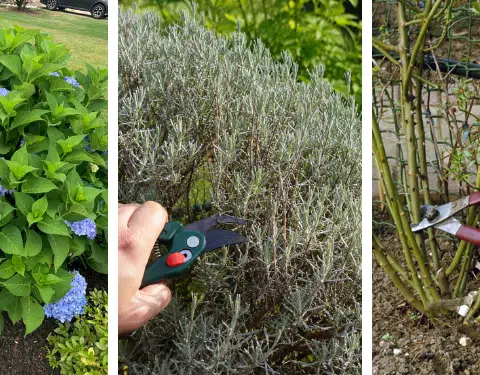
Every time you harvest tomatoes from your garden, pick fresh basil from your patio containers, or prune back your indoor houseplants, you are removing nutrients from the soil.
Plants consume minerals like nitrogen, phosphorus, and potassium to build strong cellular walls, synthesize chlorophyll, and develop robust root systems. Over time, even the most premium potting soil becomes depleted.
While it is easy to grab a blue bottle of synthetic chemical fertilizer from the big-box store, these quick-fix synthetics can overstimulate your plants, cause salt accumulation in the soil, and kill off the vital, living microbes that form a healthy subterranean ecosystem.
Making your own natural fertilizer at home is budget-friendly, minimizes household kitchen waste, and feeds the living biology of your soil.
This comprehensive guide covers 15 natural, DIY fertilizer methods that work, detailing exactly what nutrients they provide and how to apply them safely.
The N-P-K Foundation: What Your Plants Are Eating
Before turning your kitchen scraps into plant food, it helps to understand the three primary macronutrients every plant requires:
-
Phosphorus (P): The mineral responsible for strong root establishment, early flower blooming, and heavy fruit production.
-
Potassium (K): The system regulator that helps plants move water internally, process starches, and build resilience against pests and harsh weather.
15 Natural DIY Fertilizer Methods
1. The Classic Banana Peel Soak (High Potassium)
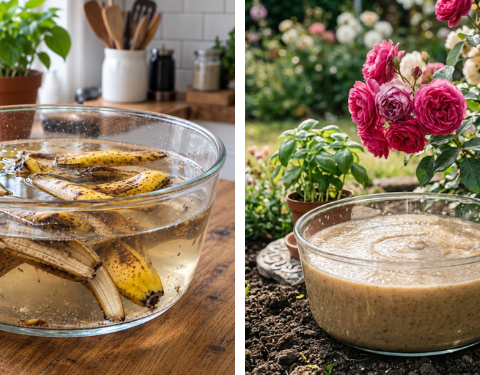
Banana peels are rich in potassium, as well as trace amounts of magnesium and calcium. This makes them the ultimate homemade snack for flowering ornamentals and heavy fruiting crops like peppers and tomatoes.
-
How to make it: Chop 3 to 4 fresh banana peels into small pieces and submerge them in a half-gallon mason jar filled with water. Let the jar sit at room temperature for 3 to 5 days to ferment gently.
-
Application: Strain out the liquid and use it directly to water your potted plants. Toss the leftover soggy peel pieces straight into your compost pile.
2. Used Coffee Grounds (Slow-Release Nitrogen)
Coffee grounds are a classic garden amendment, packing a solid dose of nitrogen along with magnesium, copper, and potassium.
-
The Misconception: While liquid coffee is highly acidic, used coffee grounds have had most of their soluble acids washed out into your morning mug, leaving the grounds near-neutral in pH.
-
Application: Do not pile fresh, wet grounds directly around a plant stem, as this can trap moisture and cause rot. Instead, spread your used grounds thinly on a baking sheet to dry completely, then lightly scratch them into the top two inches of your garden soil. They act as a slow-release nitrogen source as soil microbes break them down.
3. Washed Crushed Eggshells (Calcium Booster)
Blossom end rot—the frustrating condition where the bottoms of your tomatoes and peppers turn black and mushy—is caused by a local calcium deficiency in the plant tissue. Eggshells are over 90% calcium carbonate.
-
How to make it: Rinse your empty eggshells thoroughly to remove any lingering egg white proteins, then allow them to air-dry completely. Pulverize the dry shells in a kitchen blender or spice grinder until they form a microscopic, fine dust.
-
Application: Mix a tablespoon of this fine calcium powder directly into the planting hole when transplanting new crops, or work it into the soil around established plants. The finer the shell is ground, the faster your plants can absorb it.
4. Epsom Salt Drench (Magnesium & Sulfur)
Epsom salt isn’t actually salt; it is a naturally occurring mineral compound called magnesium sulfate. Magnesium is the foundational core atom of the chlorophyll molecule, which allows plants to turn sunlight into energy.
-
How to make it: Dissolve 1 tablespoon of pure, unscented Epsom salt into 1 gallon of warm water.
-
Application: Use this solution once a month as a soil drench or fill a spray bottle and mist it directly onto plant leaves (foliar feeding) to quickly reverse yellowing leaves on roses, tomatoes, and indoor tropical house plants.
5. Aquarium and Fish Tank Water (All-Purpose Nitro-Boost)
The next time you clean out your freshwater aquarium, do not dump the old water down the drain. The waste produced by fish, along with decaying food particles and beneficial tank bacteria, turns fish tank water into an exceptional, mild, organic fertilizer rich in highly bioavailable nitrogen.
-
Application: Pour the dirty tank water directly onto your indoor houseplants or outdoor container crops. Note: Only use water from freshwater tanks—never use water from a saltwater aquarium, as the sodium content will kill land plants.
6. Grass Clipping Mulch (Fast Nitrogen)
A fresh pile of lawn clippings is packed with nitrogen that can be quickly recaptured by your garden beds.
-
Application: Spread a thin, 1-inch layer of fresh, green grass clippings across the surface of your garden soil around heavy-feeding plants like corn, leafy greens, or squash. As the clippings decompose, they release nitrogen rapidly into the topsoil while simultaneously acting as a moisture-retaining mulch. Ensure your lawn hasn’t been treated with synthetic chemical weed-killers before using this method.
7. Blackstrap Molasses Soil Feed (Microbe Fuel)
Plants don’t eat molasses directly. Instead, you are feeding the beneficial soil food web. Blackstrap molasses is a dense byproduct of sugar refining that is loaded with carbon, iron, calcium, and magnesium.
-
How to make it: Whisk 2 tablespoons of unsulfured blackstrap molasses into 1 gallon of warm water until completely dissolved.
-
Application: Water your garden beds with this sweet solution once every three weeks. It triggers a massive population boom in beneficial soil bacteria and mycorrhizal fungi, which in turn unlock bound-up nutrients for your plants’ roots.
8. DIY Compost Tea (The Living Elixir)
Compost tea introduces billions of active, beneficial microorganisms directly to your plant’s root zone and leaf surfaces.
-
How to make it: Fill a 5-gallon bucket roughly one-third full with premium, completely finished organic compost or earthworm castings. Fill the rest of the bucket with unchlorinated water (rainwater is best). Let it steep in a shaded spot for 24 to 48 hours, stirring vigorously several times a day.
-
Application: The liquid should look like weak amber tea. Pour it over your soil beds or strain it through cheesecloth to spray directly onto leaves as a powerful foliar shield against fungal diseases.
9. Wood Ash (Potassium & Lime Alternative)
If you have a wood-burning fireplace or an outdoor fire pit, your leftover ash is a highly concentrated source of potassium and calcium carbonate.
-
Application: Wood ash is highly alkaline. Use it very sparingly by dusting it lightly onto your soil beds (roughly one handful per plant) around potassium-loving, acid-hating crops like garlic, onions, tomatoes, and asparagus. Avoid using wood ash around acid-loving plants like blueberries, azaleas, or potatoes, as it will raise the soil pH too high.
10. Cooking Water (Starch and Mineral Boost)
The water left behind after boiling potatoes, pasta, rice, or vegetables is loaded with dissolved starches, vitamins, and minerals that leach out during the cooking process.
-
Application: Let the cooking liquid cool down completely to room temperature. Pour it directly into your houseplant pots or outdoor container gardens. The starches feed beneficial soil microbes, while the dissolved minerals are readily absorbed. Important: Only use cooking water that is completely unsalted.
11. Vinegar Acid-Wash (For Acid-Loving Plants)
Plants like blueberries, gardenias, hydrangeas, and rhododendrons require an acidic soil environment (a lower pH value) to efficiently absorb iron and other essential trace minerals from the earth.
-
How to make it: Mix 1 tablespoon of plain white vinegar or apple cider vinegar into 1 gallon of clean water.
-
Application: Use this solution once a month to water your acid-loving crops. It provides a gentle, safe drop in soil pH without overloading the delicate root system.
12. Gelatin Powder (Targeted Indoor Nitrogen)
Unflavored gelatin is a surprising but highly effective slow-release nitrogen source specifically suited for indoor foliage houseplants like Monstera, Pothos, and Fiddle Leaf Figs. Gelatin is made from animal collagen, which is incredibly protein-dense.
-
How to make it: Dissolve one small packet of unflavored gelatin powder into 1 cup of boiling water. Once dissolved, stir in 3 cups of cold water to dilute the mixture.
-
Application: Use this gel-water once a month to hydrate your indoor foliage plants for a steady, gentle release of nitrogen that encourages deep green leaves.
13. Seaweed and Kelp Fertilizer (Trace Mineral Super-Booster)
If you live near a clean coastline, wild seaweed is one of the most nutritionally complex fertilizers available, packed with over 60 trace minerals, vitamins, and natural growth hormones.
-
How to make it: Gather fresh seaweed, rinse it thoroughly with a garden hose to wash away surface sea salts, and chop it coarsely. Fill a bucket halfway with the chopped seaweed, top it up with water, and pop a lid on. Let it steep for 3 to 4 weeks until it turns dark.
-
Application: Strain out the concentrated liquid, dilute it with clean water until it looks like light tea, and use it as a foliar spray or a root drench to promote explosive budding and blossom development.
14. Hair and Pet Fur (Ultra-Slow Release Nitrogen)
Human hair and pet fur are made of keratin, a tough structural protein that is exceptionally rich in nitrogen.
-
Application: When you clean out your hairbrush or groom your dog, save the fur. Dig a shallow trench around the drip-line of your outdoor perennial shrubs or fruit trees, bury the hair clusters, and cover them back up with soil. It takes months for soil microbes to completely break down hair, making it a stellar, ultra-slow-release nitrogen reservoir that won’t burn your plants.
15. Weeds and Stinging Nettle Tea (Dynamic Accumulators)
Many deep-rooting weeds—like dandelions, stinging nettles, and comfrey—are “dynamic accumulators.” Their long taproots drill deep into the subsoil layers, drawing up valuable minerals that shallow-rooted plants can’t reach.
-
How to make it: Pull up weeds from your garden (ensure they haven’t gone to seed yet), chop them up, and stuff them tightly into a large bucket. Fill the bucket with water, weigh the weeds down with a brick, and let it ferment for 2 to 3 weeks. Fair warning: This brew will smell incredibly funky.
-
Application: Strain the stinky green liquid, dilute it half-and-half with clean water, and use it to water your vegetable beds. You are essentially turning your worst garden weeds into premium, free plant food.
Simple Application Master Class
To help you seamlessly integrate these natural methods into your daily routine, use this simple quick-reference chart:
| Homemade Method | Primary Nutrient Focus | Best Suited For | Frequency |
| Banana Peel Soak | Potassium ($K$) | Tomatoes, Peppers, Flowering Annuals | Every 2 weeks |
| Crushed Eggshells | Calcium ($Ca$) | Tomato & Pepper planting holes | Once at planting |
| Epsom Salt Drench | Magnesium & Sulfur | Roses, Yellowing house plants | Monthly |
| Fish Tank Water | Nitrogen ($N$) | Potted house plants, Leafy greens | Every watering |
| Blackstrap Molasses | Carbon / Microbe Fuel | Living garden beds, Raised beds | Every 3 weeks |
| Vinegar Water | Acid-Buffer (Lowers pH) | Blueberries, Hydrangeas | Monthly |
How to Safely Utilize Liquid Fertilizers
When utilizing liquid-based homemade fertilizers (like banana tea, weed tea, or compost infusions), follow this step-by-step sequence to ensure your plants receive the nutrients smoothly without root shock: