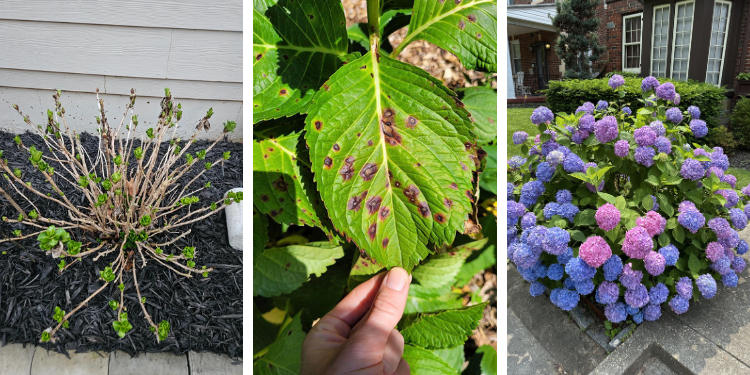
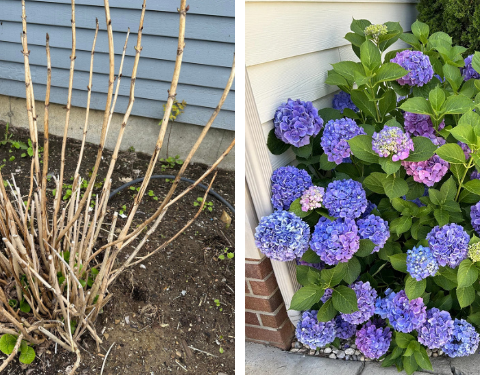
As summer reaches its peak in early August, hydrangea blooms across many gardens begin transitioning from their vibrant pinks, blues, and whites to muted antique shades of soft green and mauve.
While it can be tempting to sit back and simply enjoy the late-season fading colors, August is actually the most critical month of the entire year for determining next year’s bloom quality.
For the vast majority of popular hydrangeas, the foundation for next summer’s flower show is laid during the weeks of late summer.
Neglecting your bushes during August can lead to sparse flower development, winter dieback, or an entire season of green leaves without a single blossom.
By applying targeted August care – focusing on species-specific pruning, strategic deep watering, low-nitrogen feeding, and root protection – you can set the stage for bigger, more abundant, and more vibrant hydrangea blooms next year.
The August Lifecycle: Old Wood vs. New Wood
Understanding how your specific hydrangea sets flower buds is the secret to avoiding accidental bloom loss during August care:
-
Old Wood Bloomers (Hydrangea macrophylla, H. quercifolia, H. serrata, H. climbing): Bigleaf (lacecap and mophead), oakleaf, and mountain hydrangeas set their embryonic flower buds for next year during late summer (August through September). These buds overwinter on the existing woody stems (“old wood”). Pruning these shrubs late in August or in autumn removes next year’s flower buds entirely.
-
New Wood Bloomers (Hydrangea paniculata, H. arborescens): Panicle (‘Limelight’, ‘PeeGee’) and smooth (‘Annabelle’, ‘Incrediball’) hydrangeas bloom on growth produced in the current spring season (“new wood”). They can be pruned in late autumn, winter, or early spring without sacrificing next year’s blooms.
Tip 1: Prune Old Wood Varieties Immediately (The Mid-August Deadline)
If your bigleaf, oakleaf, or mountain hydrangeas require shaping, size control, or removal of deadwood, complete all pruning before mid-August.
-
The Danger of Late Pruning: Once September arrives, the plant shifts its energy toward forming microscopic flower buds inside the leaf axils along the stems. Pruning after mid-August snips away these newly forming buds, guaranteeing zero flowers on those stems next summer.
-
How to Deadhead: Cut spent flower stems back to the first pair of large, healthy leaves or strong lateral buds right below the faded flower head.
-
Thinning Old Canes: To encourage vigor, remove up to one-third of the oldest, thickest canes right at ground level. This improves airflow, reduces fungal risks, and stimulates fresh, healthy basal shoots.
Tip 2: Switch to High-Potassium, Low-Nitrogen Root Feeders
In early spring, high-nitrogen fertilizers drive lush green foliage. In August, however, nitrogen is harmful to hydrangeas.
Excess late-summer nitrogen encourages soft, tender green growth that will not harden off before winter frosts, leaving stems vulnerable to freezing and bud destruction.
-
Target Fertilizer Composition: Switch to a fertilizer low in nitrogen but rich in potassium (K) and phosphorus (P), such as an N-P-K ratio of 0-10-10 or 3-12-12.
-
Potassium’s Role: Potassium strengthens cell walls, fortifies stems against winter freeze-thaw cycles, and supports carbohydrate storage in the root system.
-
Phosphorus’s Role: Phosphorus directly fuels the development of large, plump embryonic flower buds within the leaf axils.
Tip 3: Master Deep Root Soaking to Combat Late-Summer Heat
August heat stress is a major cause of bud abortion in hydrangeas. Because hydrangeas have broad, fibrous leaves with high transpiration rates, dry August soil causes leaves to wilt and forces the plant to abandon flower bud formation to preserve water.
-
Avoid Shallow Daily Sprinkling: Light, superficial watering only dampens the top inch of soil, encouraging shallow roots that scorch easily in sun.
-
Deep Soaking Method: Apply 1 to 2 inches of water directly to the root zone 2 to 3 times per week. Soaker hoses or slow drip lines running for 45 to 60 minutes allow water to penetrate 8 to 12 inches deep, encouraging deep, resilient root growth.
-
Water Early in the Morning: Always water between 6:00 AM and 9:00 AM to ensure roots are fully hydrated before peak midday heat arrives.
Tip 4: Apply Fresh Mulch to Regulate Soil Temperature and Moisture
Hydrangea roots are notoriously shallow and sensitive to high soil temperatures. In August, unmulched soil can reach temperatures over 32°C, cooking delicate feeder roots.
-
Mulch Layer Depth: Apply a 2 to 3 inch layer of organic mulch – such as shredded bark, pine needles, or well-rotted leaf mold – around the base of the shrub.
-
Keep Clear of the Trunk: Pull mulch back roughly 2 inches away from the main woody stems to prevent excess moisture retention against the bark, which can invite fungal rot or rodent damage.
-
Moisture Lock: A fresh layer of mulch reduces soil water evaporation by up to 70%, keeping root zones cool and consistently moist through late summer heat waves.
August Hydrangea Care Action Plan
| Care Task | Targeted Hydrangea Types | Primary Goal | Timing / Frequency |
| Old Wood Pruning | Bigleaf, Oakleaf, Mountain, Climbing | Shapes plant before flower buds form | Strictly before mid-August |
| Low-N, High-K Feeding | All Hydrangea Species | Hardens stems & fuels embryo bud development | Single application in early August |
| Deep Root Soaking | All Hydrangea Species | Prevents drought-induced bud abortion | 2–3 times weekly (morning) |
| Mulch Layering | All Hydrangea Species | Cools root zone & locks in soil moisture | Early August refresh (2–3 inches) |
| Soil pH Adjustment | Bigleaf & Mountain (Macrophylla/Serrata) | Adjusts aluminum bioavailability for blue/pink colors | Late August to early September |
Tip 5: Adjust Soil pH Now for Desired Blue or Pink Colors Next Year
If you grow Hydrangea macrophylla or H. serrata and want to adjust their flower color for next summer, August and early autumn are the ideal times to start treating the soil. Flower color depends on the availability of aluminum ions in the soil, which is controlled by soil pH:
Tip 6: Inspect for Pests and Fungal Leaf Spot
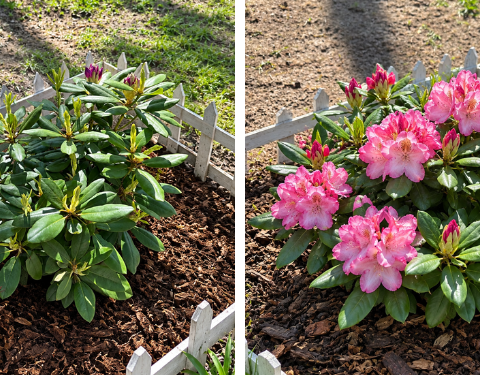
Warm August days paired with humid nights create prime conditions for leaf diseases like Cercospora leaf spot and pests such as spider mites or aphids.
-
Fungal Management: If dark purple or brown spots appear on leaves, avoid overhead watering. Prune off severely affected lower leaves and dispose of them in the trash. Apply an organic copper-based or sulfur fungicide if disease pressure is severe.
-
Spider Mite Control: Check the undersides of leaves for fine webbing or stippled yellowing caused by sap-sucking spider mites. Blast the undersides of foliage with a sharp spray of water in the morning or apply insecticidal soap at dusk.
Tip 7: Protect Emerging Overwintering Buds from Early Frosts
As August draws to a close, your hydrangeas will have successfully formed their overwintering flower buds inside the stem nodes. Protecting these stems through late autumn and winter ensures those buds survive to bloom in spring.
-
Avoid Autumn Pruning: Never cut back old wood hydrangeas in late autumn or winter. Leave the dried flower heads on the plant through winter—they provide a natural protective shield for the delicate terminal buds sitting directly below them.
-
Winter Mulching in Cold Climates: In USDA Zones 4 through 6, erect a simple burlap screen or mound oak leaves around the base of the stems in late autumn to insulate the overwintering buds from freezing winter winds.
August Garden Tip: Harvesting Dried Hydrangea Blooms
August is the golden month for harvesting hydrangeas for dried floral arrangements! Wait until the petals feel papery and turn antique shades of green, rose, or mauve. Cut the stems at a 45-degree angle, remove all leaves, and place them in a vase with just 1 to 2 inches of water. As the water evaporates, the blooms will dry naturally while preserving their rich color for months.
By giving your hydrangeas attentive care during August – pruning old wood early, applying low-nitrogen root nutrients, deeply soaking the root zone, and protecting overwintering buds – you guarantee a spectacular, heavy bloom show when summer returns next year.
The best gardens don’t just brighten your yard – they become something you can enjoy season after season.
If you’re ready to grow your own backyard pharmacy, the Medicinal Garden Kit is a wonderful place to begin.
Inside you’ll find 2,409 non-GMO seeds, a detailed Herbal Medicinal Guide, and 2 FREE bonuses to help you grow a wide variety of traditional medicinal herbs with confidence.
Take a look at the Medicinal Garden Kit and start growing something truly rewarding.