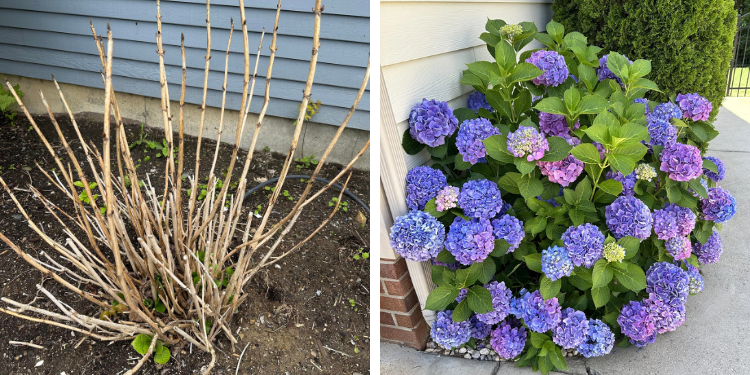
October is one of the most important months for hydrangea care, but it’s also when many gardeners make mistakes that can cost them next year’s flowers.
As temperatures cool and leaves begin changing color, your hydrangeas may start looking tired. Their once-beautiful blooms turn brown, foliage begins yellowing, and the entire shrub may appear ready for a serious haircut.
But before you grab your pruning shears, there’s something important you should know.
Some hydrangeas have already formed the flower buds that will produce next year’s blooms. Cutting the wrong stems in October could mean losing an entire season of flowers.
Fortunately, preparing hydrangeas for winter doesn’t have to be complicated. A few simple October tasks can help protect developing buds, strengthen the root system, and give your shrubs a better start when spring arrives.
Here’s what to do with your hydrangeas in October for healthier plants and a more beautiful flowering season next year.
1. Don’t Prune Until You Know Which Hydrangea You Have
This is the most important rule of October hydrangea care.
Not all hydrangeas bloom on the same type of wood, and understanding the difference can save you from accidentally removing next year’s flowers.
Bigleaf hydrangeas (Hydrangea macrophylla) and oakleaf hydrangeas (Hydrangea quercifolia) generally bloom on old wood, meaning their flower buds develop on stems produced during the previous growing season.
By October, many of those buds are already present.
If you cut these shrubs back heavily now, you may remove the very buds you’re hoping to see open next summer.
Panicle hydrangeas (Hydrangea paniculata) and smooth hydrangeas (Hydrangea arborescens), on the other hand, generally flower on new growth produced during the upcoming growing season.
These types tolerate pruning much better, but that doesn’t mean October is necessarily the best time for major cuts.
In colder regions, late winter or early spring is often preferable for structural pruning.
October note: If you don’t know which hydrangea you have, the safest approach is to avoid major pruning in fall. Remove only clearly dead, broken, or diseased material, and leave healthy stems alone.
Some reblooming bigleaf hydrangeas can flower on both old and new wood, but protecting their existing buds can still improve early-season flowering.
2. Leave the Dried Flowers on the Plant
Those faded hydrangea blooms may look finished, but there’s no need to remove every one of them.
In fact, dried hydrangea flowers can add beautiful texture to an autumn and winter garden.
Their papery flower heads often turn shades of tan, brown, dusty pink, or muted green as the season progresses.
When covered with frost, they can look surprisingly attractive.
For bigleaf and oakleaf hydrangeas, leaving the old flowers also reduces the temptation to cut too far down the stems and accidentally remove developing buds.
If you prefer a tidier appearance, you can carefully remove spent flowers without shortening healthy stems unnecessarily.
Garden note: Deadheading old hydrangea flowers in October won’t automatically produce bigger blooms next year. Flower size depends more on the variety, plant health, growing conditions, and appropriate pruning.
There’s no need to rush. In many gardens, leaving dried flowers until spring is perfectly fine.
3. Keep Watering if October Is Dry
One of the most overlooked October gardening jobs is watering.
Because temperatures are cooler, many gardeners assume their shrubs no longer need moisture.
But hydrangeas continue relying on healthy roots as they transition toward dormancy.
If autumn is unusually dry, prolonged drought stress can weaken plants before winter, especially newly planted hydrangeas and those growing in containers.
Check the soil several inches below the surface. If it’s dry and rainfall has been limited, give the plant a thorough watering.
Deep watering is generally more useful than frequent light sprinkling because it helps moisture reach the root zone.
However, avoid keeping the soil constantly saturated.
October watering note: Hydrangeas appreciate consistent moisture, but they don’t want waterlogged roots. If your garden receives regular autumn rain, additional watering may be unnecessary.
Newly planted shrubs deserve particular attention because their root systems haven’t yet spread deeply into the surrounding soil.
Continue checking soil moisture until the ground begins freezing in colder climates.
4. Add Mulch to Protect the Roots
October is a good time to refresh mulch around your hydrangeas.
A layer of organic mulch helps moderate soil temperature, conserve moisture, and reduce rapid freezing and thawing around the root zone.
Materials such as shredded leaves, pine bark, or wood chips can work well.
Spread approximately 2–3 inches of mulch over the soil around the shrub, extending toward the drip line where practical.
Keep the material several inches away from the main stems.
Piling mulch directly against the crown can trap excess moisture and create unfavorable conditions around the base.
Mulching note: More mulch isn’t always better. A thick mound pressed against the stems doesn’t provide better protection and may encourage moisture-related problems.
For newly planted hydrangeas, a properly applied mulch layer can be especially helpful during their first winter.
5. Stop Fertilizing and Let the Plant Prepare for Dormancy
October is generally not the time to encourage hydrangeas to produce lots of new growth.
As daylight decreases and temperatures cool, the plants naturally begin preparing for winter.
Applying high-nitrogen fertilizer late in the season may encourage tender growth that doesn’t have enough time to mature before freezing weather arrives.
Instead, allow your hydrangeas to slow down.
If the shrubs grew well throughout summer, they probably don’t need another feeding before winter.
Important note: Fertilizer won’t automatically make hydrangea flowers bigger. Excessive nitrogen can sometimes encourage lush foliage without improving flowering.
If your hydrangeas performed poorly this year, consider testing the soil before applying fertilizer next spring.
Poor flowering can result from incorrect pruning, winter bud damage, insufficient light, drought stress, or other growing conditions—not simply a lack of nutrients.
6. Remove Diseased Leaves and Garden Debris
October is an excellent time to inspect hydrangea foliage.
You may notice brown spots, yellowing leaves, or other signs of seasonal decline.
Some leaf discoloration is completely normal as hydrangeas prepare to shed their foliage.
However, leaves affected by fungal diseases may benefit from careful cleanup.
If your hydrangea experienced significant leaf spot problems during summer, remove badly infected fallen leaves from around the shrub.
This can help reduce the amount of infected plant debris remaining near the plant.
Use clean pruning tools when removing damaged or diseased material.
October cleanup note: Don’t confuse natural autumn leaf color with disease. Hydrangea leaves may turn yellow, red, purple, or brown before falling, depending on the variety and growing conditions.
You don’t need to strip healthy leaves from the plant. Allow them to complete their natural seasonal cycle.
7. Protect Flower Buds From Harsh Winter Weather
This step is particularly important for bigleaf hydrangeas.
Many traditional bigleaf varieties develop flower buds before winter, and those buds must survive the cold months to produce blooms the following year.
In regions with harsh winters, extreme cold or repeated temperature fluctuations can damage flower buds even when the shrub itself survives.
That’s why some gardeners see healthy green hydrangea growth in spring but very few flowers in summer.
The plant survived, but the flower buds didn’t.
What can you do?
If you grow a less cold-hardy bigleaf hydrangea in an exposed location, consider providing winter protection.
A loose barrier made from breathable burlap around a simple support frame can help reduce exposure to harsh wind. In especially cold areas, gardeners sometimes use additional insulating materials around vulnerable shrubs.
Avoid wrapping the plant tightly in plastic or creating conditions that trap excessive moisture.
Winter protection note: Don’t begin heavy winter wrapping too early while the weather is still warm. Wait until the plant has entered dormancy and conditions justify protection.
Also remember that oakleaf, panicle, smooth, and bigleaf hydrangeas can have different winter requirements.
Protection should match the plant and your local climate.
8. Check the Location Before Winter
October is also a good time to evaluate whether your hydrangea is growing in the right place.
Think back to how it performed during summer.
Did it wilt every afternoon?
Did it produce lots of leaves but few flowers?
Was it exposed to intense afternoon sunshine or deep shade?
Many bigleaf hydrangeas perform well with morning sun and protection from harsh afternoon heat, especially in warmer climates.
Panicle hydrangeas generally tolerate more direct sunlight, although their moisture requirements still matter.
Oakleaf hydrangeas can perform well in partial shade.
Garden note: If your hydrangea consistently struggles because of its location, fall can be a suitable time to transplant in some climates, especially after dormancy begins and while soil remains workable.
However, avoid unnecessary transplanting immediately before severe freezing weather. Newly moved shrubs need time and adequate moisture to establish roots.
9. Take Care of Hydrangeas Growing in Pots
Container hydrangeas require a little extra attention before winter.
Roots growing in pots are more exposed to freezing temperatures than roots protected by the surrounding ground.
If your area experiences harsh winters, consider moving container hydrangeas to a sheltered location once they become dormant.
The goal is to protect the roots from extreme cold without forcing the plant into warm indoor growth.
A cool, protected location may be suitable depending on the variety and climate.
Continue checking soil moisture occasionally, because container soil can dry out even during winter.
Container note: Don’t bring a dormant outdoor hydrangea into a warm living room simply to protect it from frost. Many garden hydrangeas require a normal winter rest period.
Also make sure pots have proper drainage. Water collecting in containers during freezing weather can damage roots and containers.
10. Make Notes About This Year’s Flowers
This may sound simple, but October is a wonderful time to evaluate your hydrangeas.
Before you forget how they performed, take a few photographs and make notes about their growth.
Did one shrub produce spectacular flowers while another barely bloomed?
Did the flowers become smaller than expected?
Did leaves scorch during summer?
Did a particular plant suffer from repeated wilting?
These observations can help you make better decisions next year.
For example, a bigleaf hydrangea that produced almost no flowers after heavy fall pruning may simply have lost its flower buds.
A panicle hydrangea growing in deep shade may need a brighter location.
And a hydrangea that repeatedly wilts during hot afternoons may benefit from better moisture management or protection from intense sun.
October planning note: The best way to encourage better flowers next year is to understand what limited flowering this year. Don’t assume every problem can be fixed with fertilizer or pruning.
Should You Cut Hydrangeas Down in October?
For most garden hydrangeas, the answer is no.
Bigleaf and oakleaf hydrangeas may already be carrying next year’s flower buds, so severe October pruning can eliminate their upcoming display.
Panicle and smooth hydrangeas flower on new wood and can tolerate more substantial pruning, but many gardeners prefer to do this in late winter or early spring.
If your hydrangea is healthy, there’s usually no urgent reason to cut it down before winter.
Remove damaged or diseased material when necessary, but leave major shaping until the appropriate season for your particular variety.
Why Hydrangeas Sometimes Don’t Bloom the Following Year
If you’ve ever had a hydrangea covered in healthy leaves but almost no flowers, several factors may be responsible.
Incorrect pruning is one of the most common causes, particularly with old-wood varieties. Cutting stems in fall or early spring can remove buds that formed during the previous growing season.
Winter damage is another possibility. A shrub may survive freezing weather while its flower buds are killed.
Insufficient sunlight, excessive nitrogen fertilizer, plant immaturity, and severe drought stress can also affect flowering.
Important: A hydrangea that doesn’t bloom isn’t necessarily unhealthy. The plant may be growing well but missing the conditions needed for reliable flower production.
Understanding the cause is much more useful than randomly changing several things at once.
If you want bigger, healthier, more beautiful hydrangea blooms next year, October is not the month to do everything.
It’s the month to do the right things – and avoid the wrong ones.