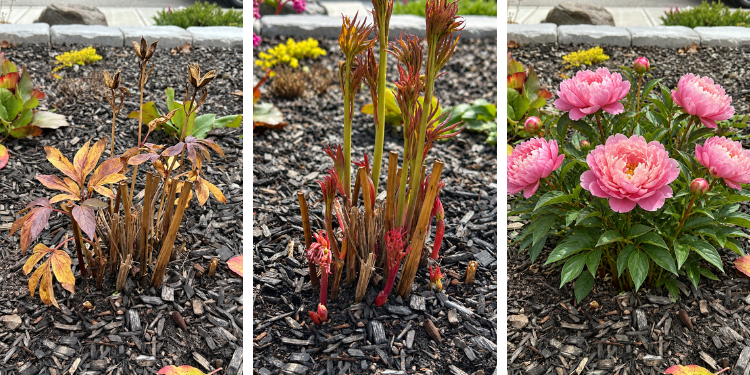
October might seem like the end of the gardening season, but for peonies, it’s actually one of the most important months of the year.
While their beautiful spring flowers are long gone, these long-lived perennials are quietly preparing for next year’s spectacular display.
By autumn, peony leaves may begin turning yellow, red, or brown, and the plants gradually enter dormancy. Beneath the soil, however, their roots and developing buds are preparing for another growing season.
Here are seven important things to do with your peonies in October to help them return healthy, strong, and ready to flower next year.
1. Cut Back Peony Foliage at the Right Time
One of the most important October jobs is cutting back herbaceous peonies, but timing matters. During summer and early autumn, their green leaves continue producing energy that helps replenish the underground roots and support next year’s growth.
That’s why you shouldn’t cut peonies down immediately after flowering or simply because October has arrived.
Wait until the foliage has naturally yellowed, browned, or been damaged by a hard frost. Once the plant has finished its growing season, use clean, sharp pruning shears to cut the stems down to approximately 2–3 inches above the soil.
Remove the cut foliage from the garden rather than leaving it around the crown, especially if your peonies experienced fungal problems during summer.
October note: If your peony leaves are still healthy and green, leave them alone for now. The plant is still using them to store energy for next year’s flowers. In warmer regions, the proper time for cutting back may arrive later than October.
Important: This advice applies to herbaceous peonies. Tree peonies have permanent woody stems and should not be cut to the ground. Intersectional (Itoh) peonies also require attention to their growth habit, as some buds may remain on short woody stems.
2. Remove Diseased Leaves to Prevent Problems Next Spring
Peonies are generally reliable garden plants, but they can develop fungal diseases, particularly during wet or humid weather.
Botrytis blight, leaf blotch, and other fungal problems can cause dark spots, brown patches, wilting stems, or damaged flower buds. Some pathogens survive on infected plant debris, potentially contributing to problems the following growing season.
October is an excellent opportunity to clean up this material.
Once foliage has died back, carefully collect old leaves and stems from around the plant. If the foliage shows obvious signs of disease, dispose of it according to local garden-waste recommendations rather than placing it in a home compost pile that may not reach sufficiently high temperatures.
Clean your pruning tools after working with infected plants.
Disease prevention note: Don’t leave a thick layer of diseased peony foliage around the crown as winter mulch. Good autumn sanitation is one of the simplest ways to reduce disease pressure next season.
You don’t need to remove every fallen leaf from the entire garden. Focus on keeping infected material away from your peonies while preserving healthy leaf litter in other areas where it benefits wildlife.
3. Check That Your Peonies Aren’t Planted Too Deeply
Here’s something many gardeners don’t realize: planting peonies too deeply is one of the most common reasons they produce healthy leaves but very few flowers.
Herbaceous peonies develop small reddish or pinkish buds, often called eyes, near the crown. These buds produce next year’s stems and flowers.
In colder climates, the eyes are generally planted around 1–2 inches below the soil surface. In warmer areas, shallower planting may be recommended because peonies receive less winter chilling.
If the crown becomes buried under too much soil or several years of accumulated mulch, flowering may decline.
October is a useful time to check the planting depth, particularly if a mature peony has produced plenty of foliage but hasn’t bloomed well.
Gently remove excess mulch or loose soil from around the crown if necessary, taking care not to damage the developing buds.
Flowering note: Don’t dig up a healthy, well-established peony just because it produced fewer flowers one year. Insufficient sunlight, recent transplanting, plant age, and weather damage can also affect blooming.
If a peony is genuinely planted too deeply and has struggled for several seasons, autumn can be a suitable time to lift and replant it at the correct depth.
4. Add Mulch Carefully Before Winter
Peonies are remarkably cold-hardy, and established plants generally don’t need heavy winter protection. In fact, they benefit from a period of winter chilling that helps support their normal seasonal growth cycle.
However, mulch can still be useful for protecting newly planted peonies and helping moderate soil temperatures.
After the ground begins cooling, you can apply a light layer of organic mulch around the surrounding soil. Shredded leaves, pine needles, or composted bark can work well, depending on your garden conditions.
The important thing is to avoid burying the crown beneath a thick mound of material.
For established peonies, heavy mulch directly over the growing buds may be unnecessary and can contribute to excessively deep coverage.
Mulching note: Newly planted peonies in cold regions may benefit from temporary winter mulch after the ground begins freezing. Remove excess mulch in spring so the eyes remain at the proper depth.
Peonies generally prefer well-drained soil, so avoid creating a constantly wet layer around the base.
5. Divide Overcrowded Peonies Only When Necessary
October can be an excellent time to divide herbaceous peonies, especially in regions where the plants have entered dormancy but the soil hasn’t frozen.
However, peonies don’t need frequent division. Unlike some perennials that become overcrowded after only a few years, peonies can remain healthy and flower beautifully in the same location for decades.
Consider dividing only if the clump has become excessively large, you want to propagate a favorite variety, or the plant needs to be moved.
To divide a peony, carefully dig around the root system and lift the clump without unnecessarily damaging the thick storage roots. Gently remove loose soil so you can see the crown and its developing eyes.
Using a clean, sharp knife, divide the crown into sections containing several healthy eyes and sufficient roots. Divisions with approximately 3–5 eyes are commonly recommended for reliable establishment.
Replant promptly at the correct depth in fertile, well-drained soil.
Division note: Recently divided peonies may take one or two growing seasons, sometimes longer, to return to their previous flowering performance. This is normal and doesn’t necessarily mean the division was unsuccessful.
If your peonies are already flowering beautifully, there’s usually no reason to disturb them.
6. Give Your Peonies Enough Sunlight for Next Year’s Blooms
October is a good time to evaluate how much sunlight your peonies received throughout the growing season.
Herbaceous peonies generally flower best in locations receiving at least six hours of direct sunlight daily. Although they may tolerate partial shade, insufficient light can reduce flower production.
Think back to how your plants performed this year. Did they produce lots of green foliage but only a handful of flowers? Have nearby trees or shrubs grown larger, creating more shade than before?
If your peonies are now growing in a heavily shaded location, autumn may be a suitable time to move them to a brighter position, provided the soil remains workable and there’s enough time for some root establishment before severe winter conditions.
Choose a location with good airflow and well-drained soil.
Sunlight note: Don’t judge a peony’s growing-season sunlight exposure only by how much sun it receives in October. The sun’s position changes throughout the year, so consider the conditions during spring and early summer when the plant is actively growing and flowering.
Peonies generally perform best when they can remain undisturbed in a suitable location for many years.
7. Water During Dry Autumn Weather, but Avoid Overwatering
Although peonies are slowing down in October, their roots still need adequate moisture, particularly if they were recently planted or divided.
If autumn rainfall has been limited and the soil is unusually dry, give your peonies a thorough watering before the ground freezes.
Deep watering helps moisture reach the root zone, where it can support the plant as it transitions into dormancy.
However, don’t keep the soil constantly wet. Peonies dislike prolonged waterlogging, and excessive moisture can contribute to root and crown problems.
Established plants growing in well-drained garden soil may require little additional watering during a rainy autumn.
October watering note: Newly planted or divided peonies need more attention than mature, established clumps. Check soil moisture regularly during dry weather, but allow excess water to drain away.
Once the ground freezes, watering is generally no longer necessary until conditions warm again.
Peonies may be famous for their spectacular spring flowers, but much of their success depends on how they’re cared for during the rest of the year.
October is the perfect opportunity to prepare them for another beautiful flowering season.