By September, your zinnias have probably been flowering for weeks – or even months.
Some plants may still be covered with bright blooms, while others are beginning to look tired. Lower leaves may be browning, old flowers are turning crispy, and powdery mildew may suddenly seem much more noticeable than it was earlier in summer.
But don’t pull your zinnias out just yet.
With the right care, September can still bring weeks of colorful flowers, especially if your first frost is still some time away. It’s also the perfect month to collect seeds, clean up diseased foliage, and make notes for an even better zinnia display next year.
Here are 7 things to do for your zinnias in September before the season comes to an end.
1. Keep Deadheading for More Flowers
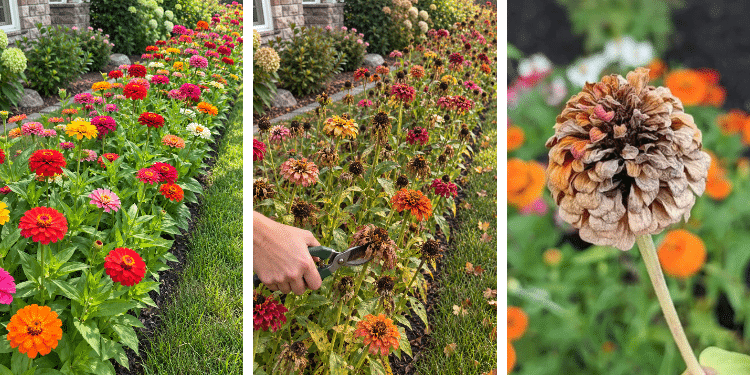
If your zinnias are still actively growing and you want more blooms, continue removing faded flowers.
Zinnias are annuals. Their goal is eventually to produce mature seeds and complete their life cycle.
Once a flower is pollinated and begins developing seeds, the plant starts directing energy toward seed production.
Removing spent blooms before the seeds mature can encourage the plant to continue producing additional flowers.
Where should you cut?
Follow the faded flower stem downward until you reach a healthy set of leaves or a branching point.
Make your cut just above that area.
This keeps the plant looking much better than simply removing the flower head and leaving a long bare stem behind.
September note: Don’t deadhead every flower if you want to collect seeds. Choose a few of your best blooms and allow those heads to mature completely.
That gives you the best of both worlds: more September flowers and free seeds for next year.
2. Start Saving Seeds From Your Best Zinnias
September is one of the best times to start thinking about next year’s zinnia garden.
Instead of buying all new seeds, allow several flowers to remain on your healthiest plants.
But patience matters.
Don’t collect the flower as soon as its petals start fading.
Leave it on the plant until the flower head becomes brown, dry, and crispy.
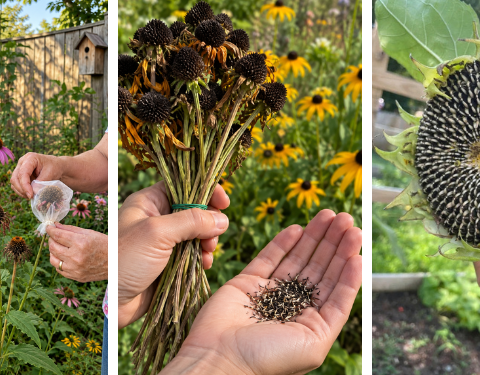
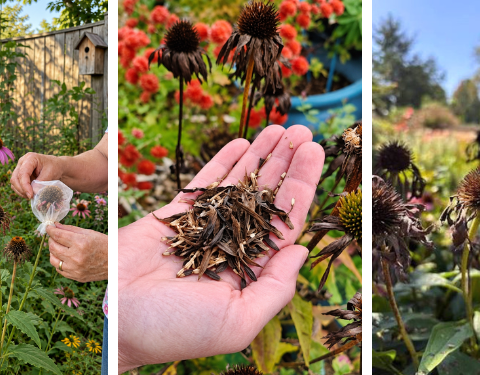
Then cut the head and pull it apart.
You’ll find mature seeds among the dried flower material.
Choose carefully.
Rather than randomly saving seeds, collect them from plants that performed particularly well.
Look for zinnias with:
- Strong stems
- Excellent flower production
- Colors you loved
- Healthy foliage
- Good heat tolerance
- Large or interesting flowers
Let the seeds dry thoroughly before storing them somewhere cool, dark, and dry.
Seed-saving note: Zinnias can cross-pollinate, and seeds from hybrids may not produce plants identical to the parent. Next year’s flowers can therefore contain some surprises.
If you don’t mind variation, that’s part of the fun.
3. Remove Diseased Leaves Before Problems Spread
September is often when zinnia foliage starts looking less attractive.
One of the most common problems is powdery mildew, which can create a whitish or gray powdery coating on leaves.
You may also notice spotted, yellowing, or badly damaged foliage.
Some lower-leaf decline is normal as plants age, so don’t panic over every imperfect leaf.
But badly diseased material is worth removing.
Use clean scissors or pruners and cut away heavily affected leaves.
Also remove diseased leaves that have fallen onto the soil.
Improve airflow while you’re there.
Zinnias growing tightly together can have poor air circulation.
Dense foliage remains damp longer, creating conditions that can favor some diseases.
Remove badly affected material and keep weeds from crowding around the plants.
Important note: Don’t aggressively strip a mostly healthy plant of all its foliage. Leaves are still producing energy. Focus on leaves that are clearly dead, severely damaged, or diseased.
When watering, direct water toward the soil rather than routinely soaking the foliage.
4. Keep Watering During Dry September Weather
Cooler September temperatures can make it easy to forget about watering.
But if rainfall is limited, your zinnias can still become stressed.
Zinnias generally perform best when they receive consistent moisture without sitting in constantly wet soil.
Instead of giving them a tiny splash every day, water deeply when the soil needs it.
Deep watering encourages moisture to reach farther into the root zone.
Check before watering.
Push your finger into the soil.
If it’s still moist beneath the surface, you may be able to wait.
If conditions are dry several inches down, it’s probably time to water.
Quick tip: Morning is generally a good time to water. The plants have moisture available for the day, while foliage that becomes accidentally wet has time to dry.
Avoid keeping the bed permanently soggy.
Wet roots and poor drainage won’t help zinnias flower longer.
5. Cut Flowers and Bring Them Indoors
September isn’t only about maintenance.
It’s also about enjoying the flowers while you still have them.
Zinnias are excellent cut flowers, and regularly harvesting blooms can encourage branching and continued flower production while growing conditions remain favorable.
Choose flowers with firm stems and blooms that are well developed.
Use clean, sharp scissors or pruners.
Remove leaves that would sit below the waterline in the vase and place the stems into clean water.
Keep harvesting.
If your plants are still healthy and temperatures remain warm enough, don’t be afraid to cut bouquets.
You’re not wasting the flowers.
You’re bringing the garden indoors while potentially encouraging the plant to keep producing.
September idea: Combine zinnias with other late-season flowers and foliage for colorful fall bouquets.
Just remember to leave a few exceptional blooms untouched if you’re saving seed.
6. Stop Pushing Lots of New Growth
By September, there’s usually little reason to heavily fertilize established zinnias.
If your plants are already healthy and flowering, pouring on high-nitrogen fertilizer may encourage lots of leafy growth instead of helping you enjoy the remaining flowers.
And in colder climates, the growing season may be approaching its end anyway.
What should you do instead?
Focus on the basics:
Good sunlight.
Adequate water.
Removing spent flowers.
Disease management.
Good airflow.
These simple things can often do more for late-season zinnias than another heavy feeding.
September note: Fertilizer cannot compensate for declining daylight, cold temperatures, disease, or an approaching frost.
If plants are performing well, don’t feel obligated to feed them simply because you haven’t fertilized recently.
Sometimes the best thing you can do is leave them alone.
7. Don’t Pull Healthy Zinnias Too Early
One chilly September morning doesn’t necessarily mean the zinnia season is finished.
Zinnias love warm weather and are sensitive to frost, but healthy plants can continue flowering until genuinely cold conditions arrive.
If the plants still have:
- Healthy green growth
- Developing buds
- New flowers
- Strong stems
let them continue.
Depending on your climate, you might get several more weeks of flowers.
Watch the forecast.
Once frost is expected, the season may end quickly.
Zinnias are tender annuals and won’t survive a hard freeze.
If a very light, brief cold night is predicted and warmer weather follows, some gardeners protect favorite plants temporarily with frost cloth.
But eventually, autumn wins.
Quick note: Don’t cover plants with heavy plastic resting directly on the foliage. Proper frost cloth or another suitable breathable cover is a better choice.
Before the final cold arrives, harvest your remaining flowers and mature seeds.
What Should You Do After Frost Kills Your Zinnias?
Once frost has blackened the plants and flowering is finished, it’s time for cleanup.
Pull or cut down the dead plants.
Healthy plant material can generally be composted.
However, if your zinnias suffered heavily from disease, be more cautious about adding infected material to a casual compost pile, particularly if the pile doesn’t become hot enough to destroy pathogens.
Clean up badly diseased fallen leaves around the bed as well.
Why does cleanup matter?
Leaving large amounts of diseased debris in the same bed can allow certain plant problems to persist.
Fall cleanup gives you a cleaner start next season.
Should You Leave Some Zinnia Seeds to Fall Naturally?
You can.
If mature flower heads remain on the plant, some seeds may eventually fall onto the soil.
In sufficiently mild conditions, volunteer seedlings may appear later or the following season.
However, zinnias are warm-season annuals and aren’t reliably winter hardy.
In cold climates, don’t rely entirely on natural reseeding.
Collecting and storing some mature seeds gives you much more control.
Best approach: Save some, leave some, and let nature experiment with the rest.
September isn’t necessarily the end of zinnia season. In many gardens, it’s one of the last opportunities to enjoy a spectacular flush of color before cold weather arrives.