As high summer winds down in August, many gardeners begin cleaning up beds and closing down the season.
However, experienced growers know that late summer is actually a prime planting window.
Warm soil temperatures combined with cooling autumn air create ideal conditions for seed germination and rapid root establishment.
Planting in August allows cool-season crops to mature during crisp autumn weather and gives perennials, shrubs, and spring-flowering bulbs a strong head start before winter dormancy.
Here is an expert breakdown of 15 plants that thrive when planted in August, along with the botanical principles for late-summer planting success.
The Botanical Advantages of Planting in August
Understanding the physiological benefits of late-summer planting helps ensure a high success rate across crops and ornamentals:
-
Optimal Soil Microbial Activity: Soil temperatures in August are at their annual peak. Warm soil speeds up seed germination – often sprouting seeds in half the time required in cold spring earth – and encourages rapid root elongation.
-
Reduced Transplant Shock: While spring planting subjects young starts to unpredictable cold snaps and heavy rains, late summer provides predictable warmth. As daytime temperatures gradually cool into autumn, plants experience less heat stress above ground while continuing active root expansion below.
-
Pest and Disease Pressure Drops: Many common midsummer garden pests, such as squash bugs and flea beetles, see population declines as autumn approaches. Cool-season crops planted in August encounter fewer insect pressures as they mature.
15 Plants to Plant in August
1. Spinach (Spinacia oleracea)
-
Why August: Direct-seeded in late August, spinach germinates quickly in warm soil and thrives as autumn temperatures drop. Cold weather increases sugar production in the leaves, yielding sweet, tender greens.
-
Planting Tip: Sow seeds 1/2 inch deep in well-draining soil and keep the seedbed consistently moist until germination.
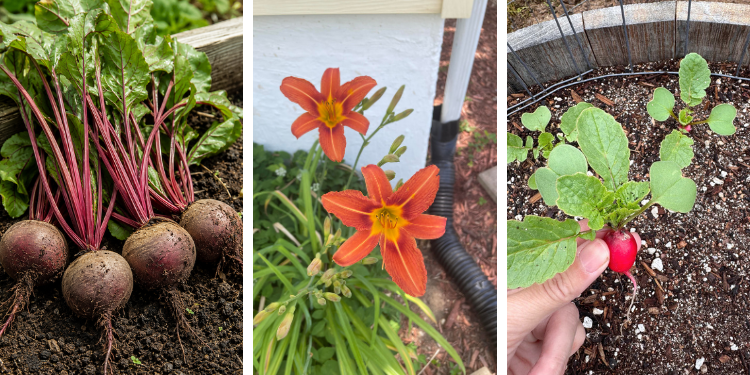
2. Radishes (Raphanus sativus)
-
Why August: Fast-growing radishes mature in as little as 21 to 30 days. Planting in August guarantees a steady autumn harvest before hard frosts arrive.
-
Planting Tip: Sow seeds every 10 days throughout August for a continuous harvest of crisp roots.
3. Kale (Brassica oleracea var. sabellica)
-
Why August: Kale is exceptionally frost-tolerant. August-planted kale grows rapidly in late summer and can survive temperatures well below freezing, providing fresh greens well into winter.
-
Planting Tip: Plant nursery starts or direct-sow seeds in rich soil amended with organic compost.
4. Arugula (Eruca vesicaria)
-
Why August: Spring-sown arugula quickly bolts and turns bitter in midsummer heat. Sowing in August allows the plant to produce peppery leaves without running to seed prematurely.
-
Planting Tip: Broadcast seeds lightly over raised beds and cover with a thin layer of fine compost.
5. Carrots (Daucus carota subsp. sativus)
- Why August: Sowing carrot seeds in early-to-mid August provides the 60 to 75 days needed for roots to mature before winter. Light autumn frosts convert root starches into sugars, making fall carrots notably sweet.
- Planting Tip: Keep the top layer of soil damp during germination by placing a wooden board or burlap sack over the seed row for 4 to 6 days after watering.
6. Turnips (Brassica rapa subsp. rapa)
-
Why August: Turnips develop optimal root texture and sweet flavor when grown during the shortening days of early autumn.
-
Planting Tip: Thin seedlings to 4 inches apart once sprouted so roots have adequate room to expand.
7. Swiss Chard (Beta vulgaris subsp. vulgaris)
-
Why August: Chard handles transitional late-summer heat while easily enduring light autumn frosts. August plantings yield continuous harvests of colorful stems through November.
-
Planting Tip: Soak seed clusters in water for a few hours before planting to speed up germination.
8. Beets (Beta vulgaris)
-
Why August: Mid-August planting yields tender beet roots and nutrient-rich greens for fall harvests.
-
Planting Tip: Sow seeds 1 inch apart in loose, stone-free soil to encourage uniform root growth.
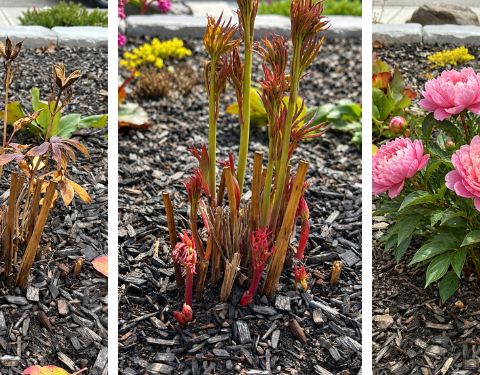
9. Peonies (Paeonia spp.)
-
Why August: Late August through early autumn is the ideal window for planting bare-root peonies. It allows roots to establish quietly before the ground freezes, ensuring spring blooms.
-
Planting Tip: Plant bare roots with eyes positioned no deeper than 1 to 2 inches below the soil surface to guarantee future flowering.
10. Iris (Iris germanica)
-
Why August: Bearded iris rhizomes are traditionally lifted, divided, and replanted in August during their post-bloom dormant phase.
-
Planting Tip: Plant rhizomes horizontally with the top exposed slightly to sunlight to prevent fungal rot.
11. Daylilies (Hemerocallis)
-
Why August: Potted or divided daylilies take root readily in warm August soil, ensuring robust root systems that burst into growth early next spring.
-
Planting Tip: Water deeply upon planting and mulch around the base to preserve root moisture.
12. Strawberry Plants (Fragaria × ananassa)
-
Why August: Planting strawberry runners or starts in August allows the plants to form strong crowns and root systems before winter, leading to a much higher fruit yield the following spring compared to spring-planted starts.
-
Planting Tip: Ensure the crown of the strawberry plant sits level with the soil line – neither buried too deep nor elevated above ground.
13. Broccoli (Brassica oleracea var. italica)
-
Why August: Setting out broccoli transplants in early August ensures head formation during cool autumn weather, preventing heat-induced bolting.
-
Planting Tip: Apply a balanced organic fertilizer at planting time to support heavy leaf and head development.
14. Collard Greens (Brassica oleracea var. acephala)
-
Why August: Extremely cold-hardy, collards planted in August offer nutritious harvests long after other garden crops have succumbed to frost.
-
Planting Tip: Space transplants 18 inches apart to accommodate their large, spreading leaves.
15. Garlic (Allium sativum) – Late August Prep
-
Why August: While garlic cloves are typically pushed into the soil in September or October, August is the prime time to prepare beds, incorporate organic matter, and order seed cloves for fall planting.
-
Planting Tip: Amend garlic beds with aged manure and bone meal in late August so the soil is settled and nutrient-rich for autumn planting.
August Planting Matrix
| Plant Category | Species | Days to Maturity | Best Planting Method |
| Fast Leafy Greens | Spinach, Arugula, Radishes | 21 – 40 Days | Direct Seeds |
| Root Vegetables | Carrots, Beets, Turnips | 50 – 75 Days | Direct Seeds |
| Cold-Hardy Brassicas | Kale, Broccoli, Collards | 55 – 80 Days | Nursery Transplants |
| Perennials & Flowers | Peonies, Iris, Daylilies | Spring Bloom | Bare-Root / Rhizome |
| Fruit Crops | Strawberries | Spring Harvest | Crown Transplants |
Essential Best Practices for August Planting
Late-summer conditions require careful attention to moisture retention and soil preparation:
By taking advantage of warm soil and cooling seasonal conditions, planting in August extends your garden’s output through autumn while setting the stage for a thriving spring.
The best gardens don’t just brighten your yard – they become something you can enjoy season after season.
If you’re ready to grow your own backyard pharmacy, the Medicinal Garden Kit is a wonderful place to begin.
Inside you’ll find 2,409 non-GMO seeds, a detailed Herbal Medicinal Guide, and 2 FREE bonuses to help you grow a wide variety of traditional medicinal herbs with confidence.
Take a look at the Medicinal Garden Kit and start growing something truly rewarding.